Topics
Search
Enter at least 3 characters
How to spot deceptive deals, fake products, and common shopping fraud.
Updated daily · 15 stories

By Shopping Editorial Team · 8 min read
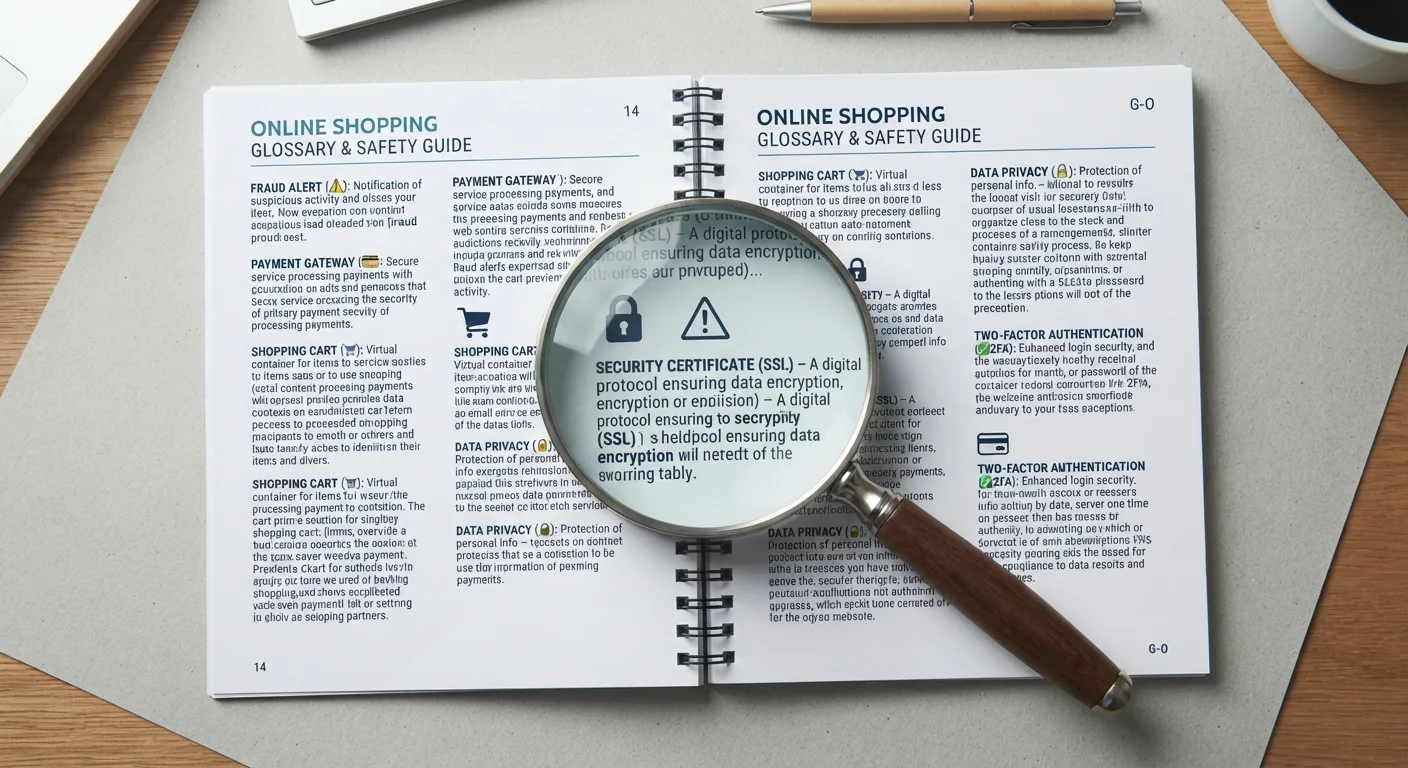
From 'brushing scams' to 'triangulation fraud,' this reference defines the key terms used to describe modern shopping fr…
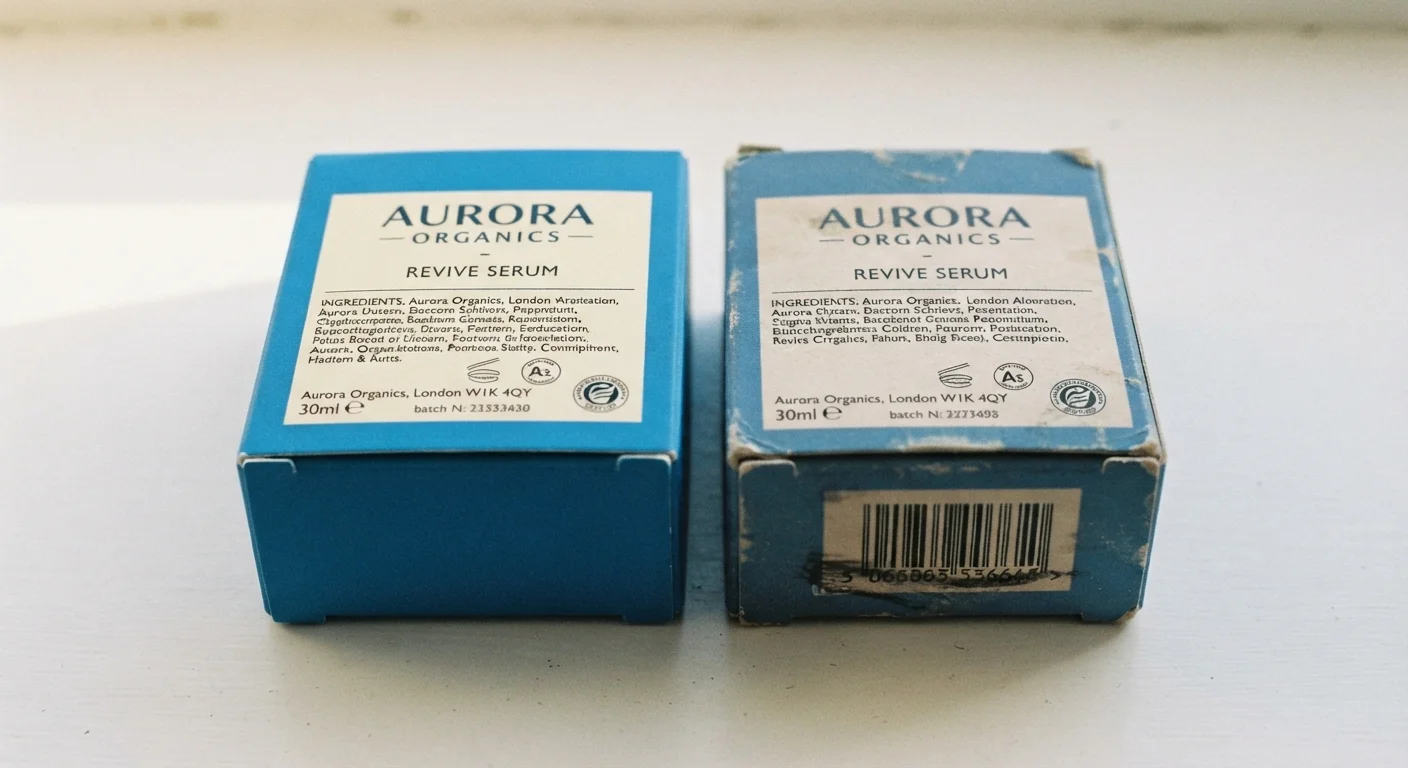
Understand how counterfeit items are made to look authentic, where they typically appear, and what details to scrutinize…
Learn the telltale signs of a fraudulent e-commerce site, from suspicious domain names to missing return policies and un…
Free trials that quietly become paid plans are a persistent consumer complaint. Here's the mechanics behind subscription…
Many shoppers believe a padlock icon or a familiar platform name means they're safe. These common misconceptions are exa…
A plain-language breakdown of phishing emails, text scams, and phone fraud targeting shoppers—and how each one works to …
If you suspect you've been scammed, speed matters. This guide walks through how to dispute charges, file reports, and do…
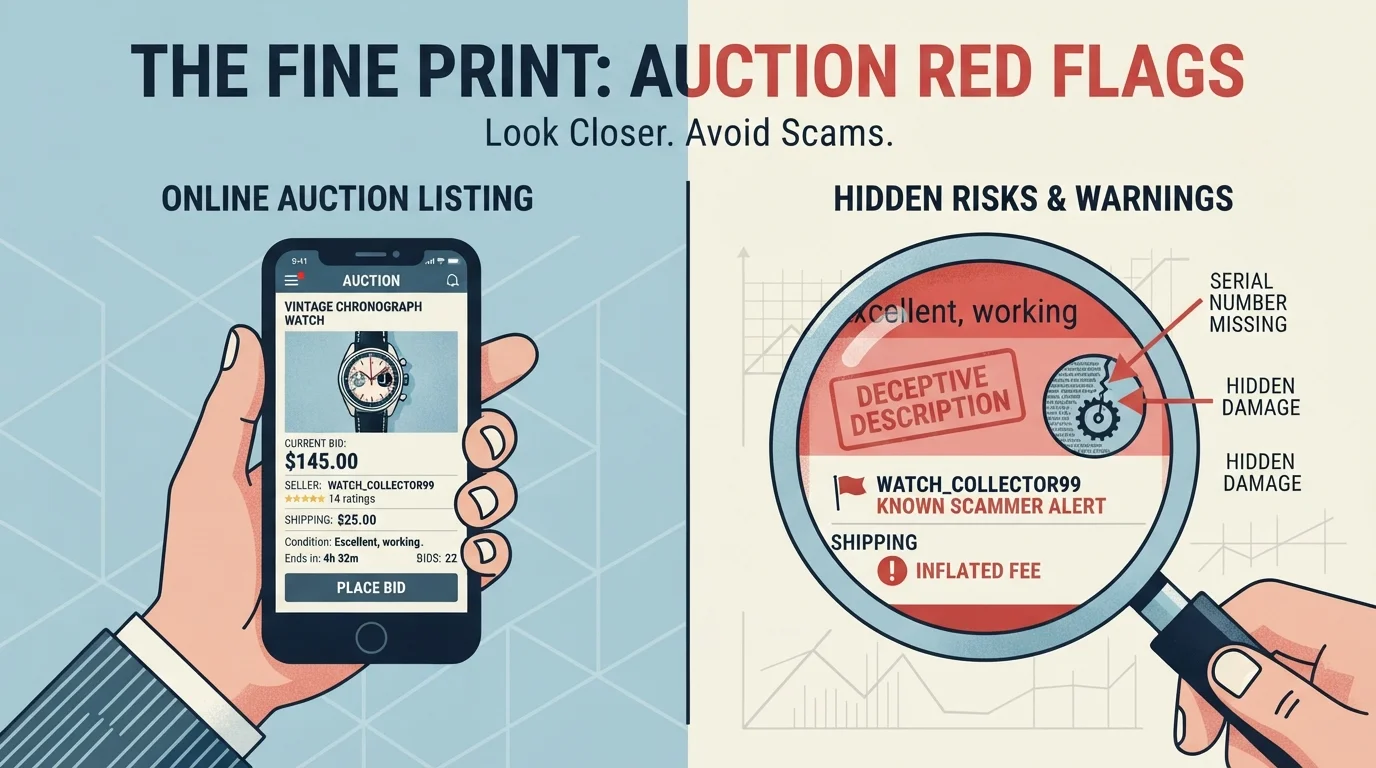
From vague descriptions to stolen photos, certain listing patterns consistently signal fraud. Know what to look for befo…
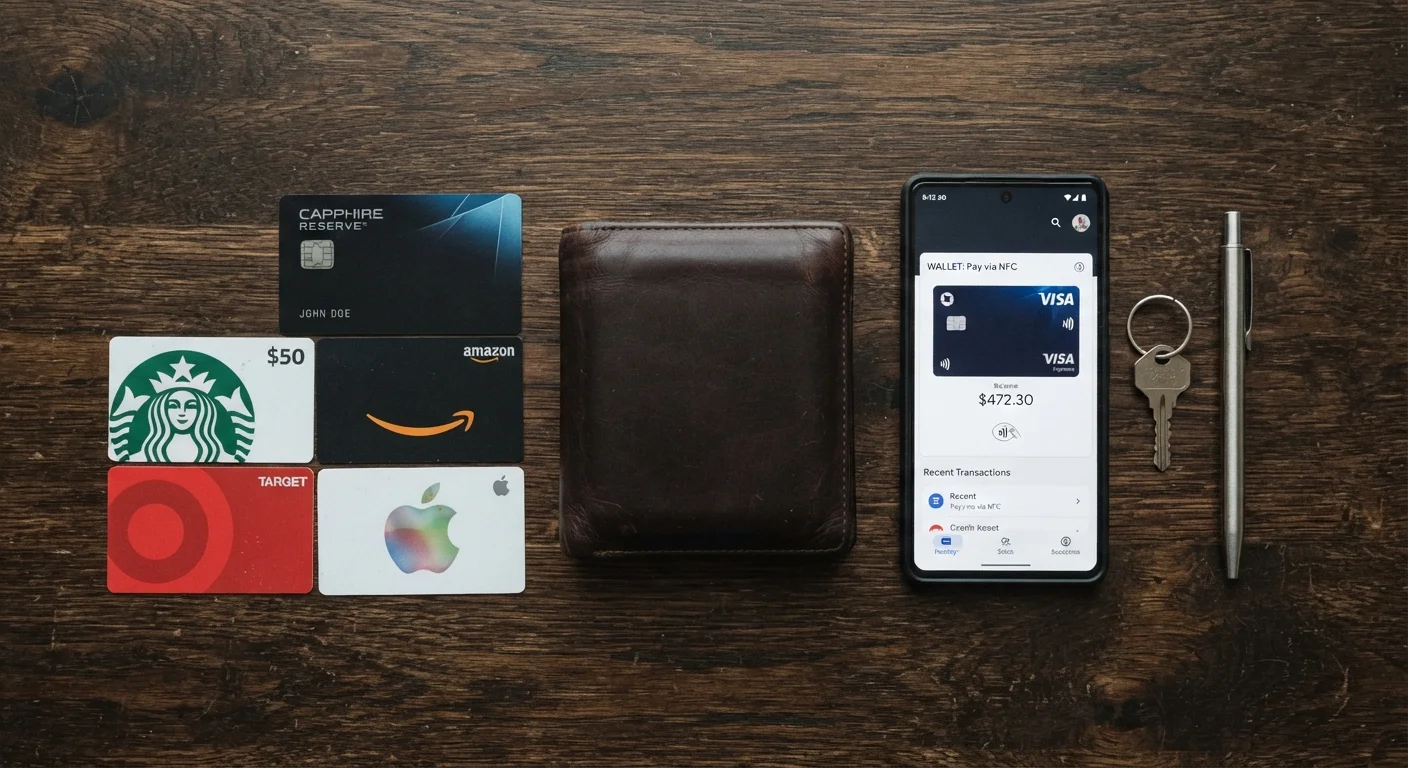
Wire transfers, gift cards, and peer-to-peer apps offer scammers cover. Learn how different payment types compare when s…
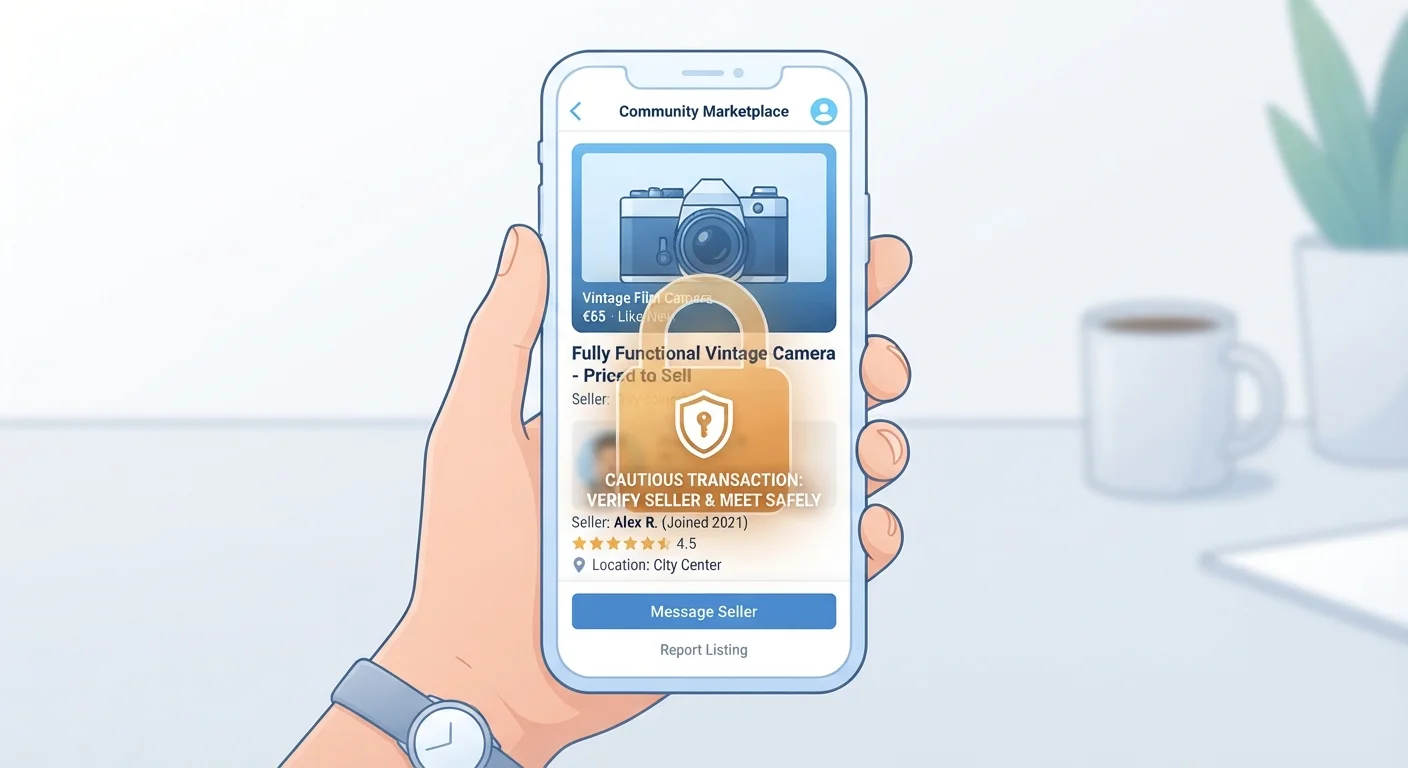
Social platforms are full of peer-to-peer listings and pop-up shops. Here's how to evaluate sellers and avoid common tra…
One-time tips aren't enough. These durable habits help everyday shoppers stay alert to fraud without treating every tran…
Understand how consumer shopping scams are structured—from fake urgency to counterfeit sites—so you can recognize them b…
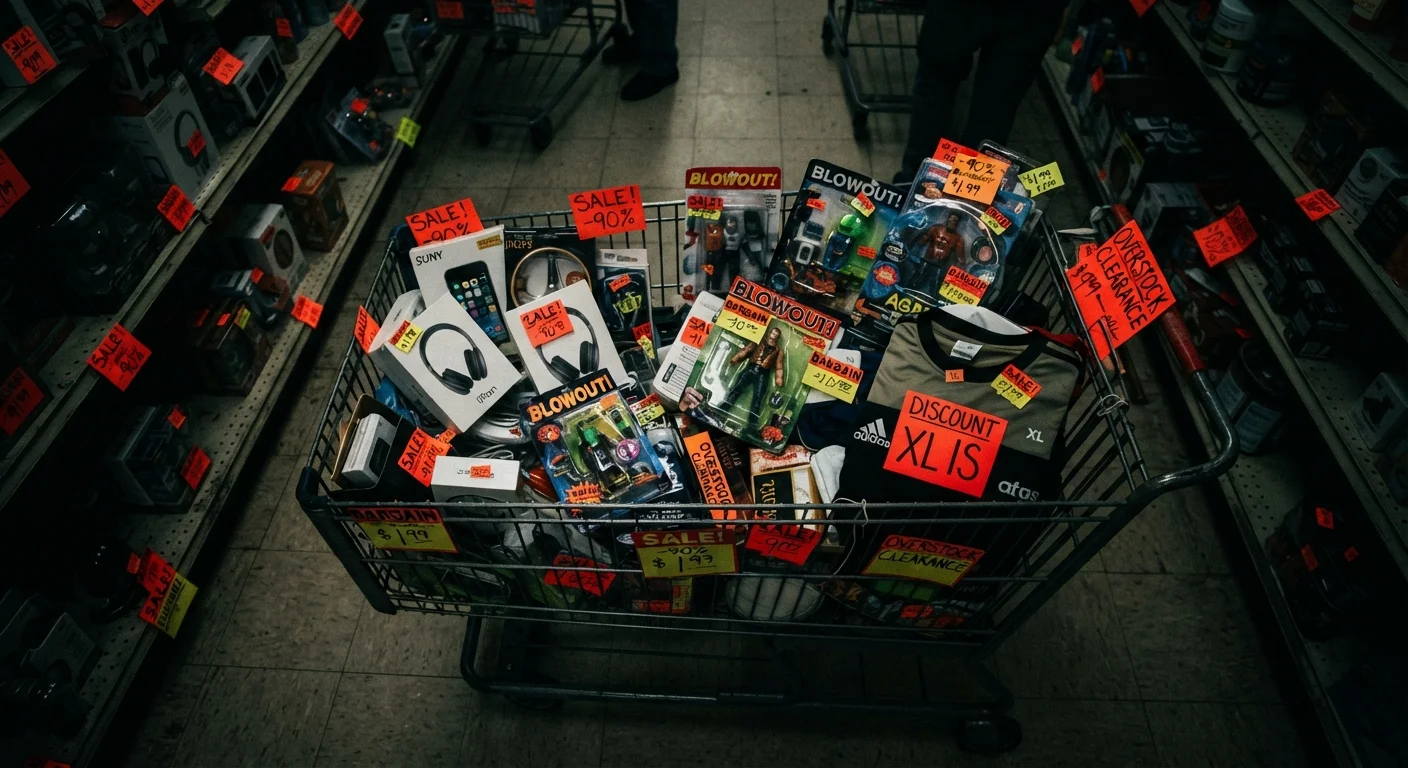
Explore why extreme price cuts are a classic fraud signal, how counterfeit goods get passed off as deals, and what reali…
Online fraud persists because of specific systemic gaps. This article explains why enforcement is difficult and what tha…