
Phishing, Smishing, and Vishing: Shopping Fraud That Starts Before You Even Click
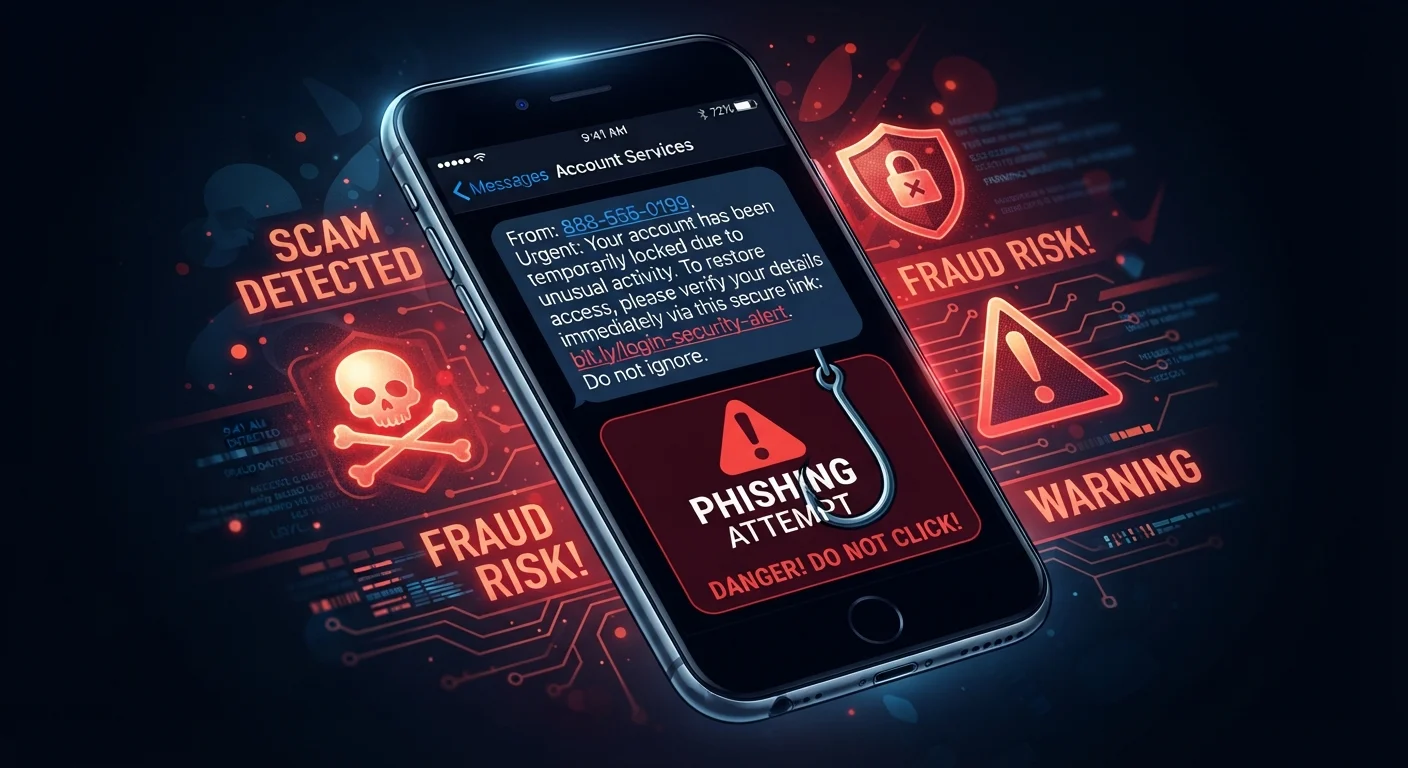
Photo credit: SearchLynk.net | Search Made Easier
In this article
A plain-language breakdown of phishing emails, text scams, and phone fraud targeting shoppers—and how each one works to steal your information.
What These Three Terms Actually Mean
Shopping fraud doesn't always start on a fake website. Increasingly, it starts in your inbox, your text messages, or your phone's call log - long before you interact with any storefront. Understanding the three primary delivery methods fraudsters use is a foundational step in protecting yourself.
Phishing
A fraud technique that uses deceptive emails to impersonate legitimate organizations and trick recipients into revealing sensitive information or clicking malicious links. The term is derived from 'fishing' - baiting targets into taking an action.
Smishing
SMS phishing - the use of text messages to deliver fraudulent lures. Smishing messages often include shortened links to spoofed websites designed to capture personal or financial data.
Vishing
Voice phishing - fraud conducted over phone calls, either by live callers or automated systems, impersonating banks, retailers, or government agencies to extract sensitive information.
Spoofing
The practice of disguising a communication's true origin - such as making a fraudulent email appear to come from a legitimate domain, or making a fake call appear to originate from a trusted phone number.
Credential Harvesting
The goal of many phishing attacks: capturing usernames and passwords by directing victims to a fake login page that mimics a trusted service.
Social Engineering
A broad term for manipulation tactics that exploit human psychology - such as urgency, fear, or trust - rather than technical vulnerabilities, to deceive people into taking a desired action.
Each method exploits a different channel, but they share the same goal: getting you to hand over credentials, payment details, or personal information by appearing trustworthy. For a broader look at how these tactics fit into larger fraud patterns, see how shopping scams are structured.
Phishing: The Email Trap
Phishing emails impersonate retailers, shipping carriers, payment platforms, or financial institutions. A typical shopping-related phishing email might claim your order couldn't be delivered, your account has been locked, or a refund is waiting - each designed to create urgency and prompt a click.
Key warning signs include:
- Sender addresses that don't match the real domain - e.g., "support@amazon-services-help.net" instead of an official amazon.com address
- Generic greetings such as "Dear Customer" rather than your actual name
- Mismatched or disguised links - hover over any link before clicking to see its actual destination URL
- Requests for login credentials or payment info directly within the email or on a linked page
Legitimate retailers and carriers do not ask you to verify payment details or re-enter passwords by clicking an email link. If an email seems off, go directly to the company's official website by typing it into your browser - don't follow the email's link.
Smishing: Fraud by Text Message
Smishing - SMS phishing - uses text messages to deliver the same kind of deceptive lures. Because people tend to trust text messages more than email and open them faster, smishing can be particularly effective.
| Primary smishing lure for shoppers | Fake shipping or delivery notifications (Federal Trade Commission consumer fraud reports) |
| Common smishing URL tactic | Shortened or disguised links hiding fraudulent destinations |
| What smishing messages typically request | Address confirmation, login credentials, or payment details |
| Safe response to any unsolicited text link | Do not click - contact the company directly via official channels |
| Caller ID reliability in vishing | Not reliable - caller ID can be spoofed to display any number (FCC consumer guidance on robocalls and spoofing) |
Common smishing scenarios targeting shoppers include fake shipping notifications ("Your package is held - verify your address here"), prize or gift card alerts, and account security alerts from impersonated retailers. These messages typically include a shortened or disguised URL that leads to a spoofed website designed to harvest your information.
Phone numbers used in smishing are often spoofed or sourced from temporary services, making the sender appear local or even familiar. Do not click links in unsolicited texts. If you're concerned about a real package or account, contact the company directly through its verified website or app.
Vishing: When the Fraud Calls You
Vishing (voice phishing) involves a phone call - either from a live person or an automated system - that impersonates a trusted organization. Shopping-related vishing calls commonly pose as fraud departments at banks or credit card companies, customer service representatives from major retailers, or shipping company agents requesting fees or reconfirmation of your address.
Callers may use pressure tactics: claiming your account has been compromised, that a large unauthorized charge has posted, or that you'll lose a package unless you act immediately. They may already know basic information about you - your name, partial account numbers, or recent purchases - sourced from data breaches or public records. This information is used to seem credible.
What to do: Hang up. Call the company back using the number printed on the back of your card or listed on its official website - never a number the caller provides. No legitimate fraud department will pressure you to stay on the line or demand immediate payment in gift cards, wire transfers, or cryptocurrency.
If you suspect you've already shared information with a fraudulent caller, acting quickly on disputes and reports can limit the damage.
Recognizing the Common Thread
Across all three methods, the underlying mechanics are the same: impersonate a trusted source, manufacture urgency or fear, and direct the target toward an action that captures sensitive information. The channel changes; the playbook doesn't.
Building durable habits - like pausing before clicking, verifying sender identities, and never providing payment details in response to unsolicited contact - is more protective than relying on spotting any single red flag. Long-term scam awareness habits can help you stay alert without treating every interaction as a threat.
For definitions of related fraud terms you may encounter, the Consumer Fraud Glossary covers key vocabulary in plain language. And if you're concerned that a website itself may be fraudulent - not just the message that led you there - see the guidance on identifying fake online storefronts.

Author
Shopping Editorial Team
Shopping Editorial Team is the collective byline for our editorial team and contributor network. Articles published under this byline or an editorial pen name are researched, written, and reviewed according to our editorial standards for clarity, consistency, and independence before publication.
View all articles →