
From Idea to Departure: Planning a Trip End to End
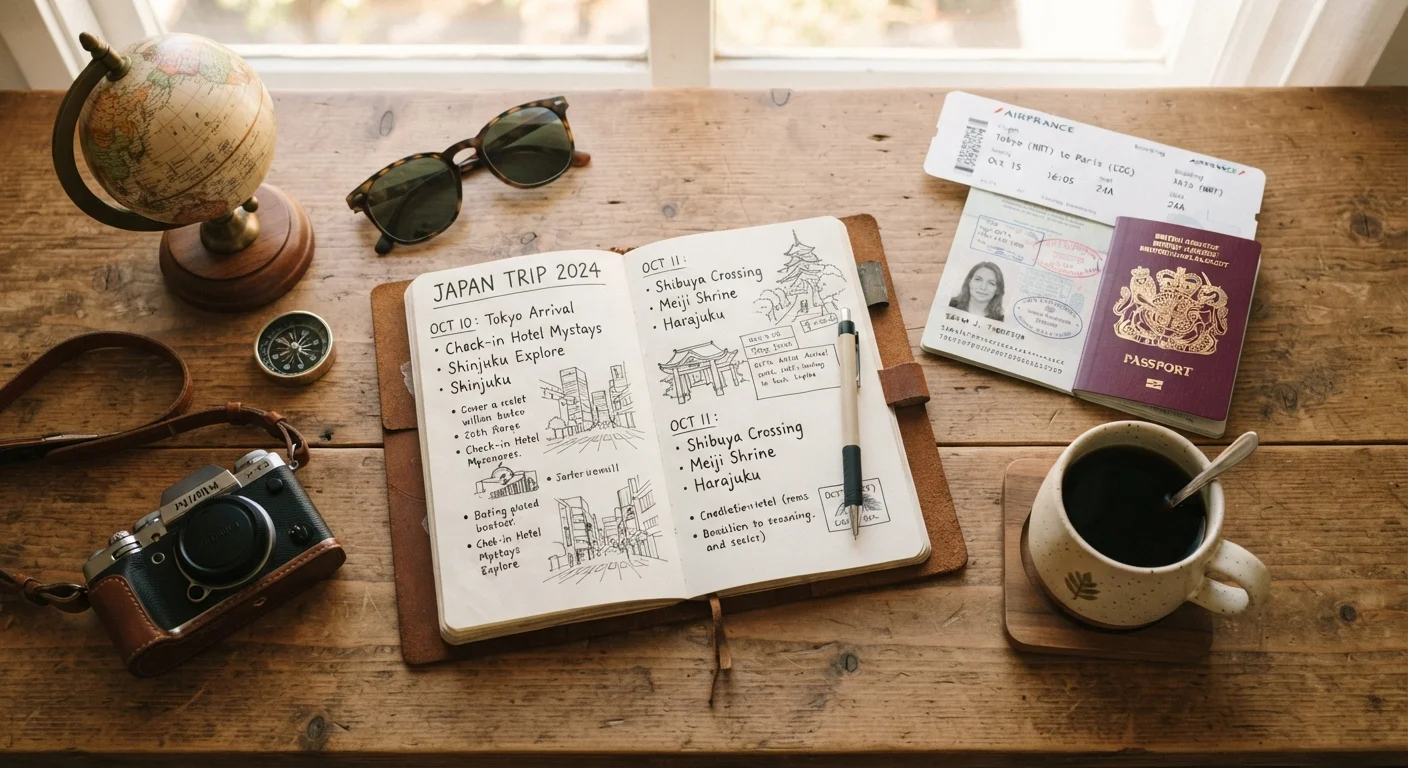
Photo credit: SearchLynk.net | Search Made Easier
In this article
A comprehensive resource covering every phase of trip planning—destination research, booking, packing, and day-of readiness.
Key Takeaways
- Choosing the right destination starts with aligning your interests, travel window, and budget before researching logistics.
- Booking flights and accommodation before activities gives you the most flexibility and typically the widest selection.
- A day-by-day itinerary prevents over-scheduling and helps you budget both time and money more accurately.
- Documents, health requirements, and travel insurance should be addressed well in advance - not the week before departure.
- A departure-day checklist reduces last-minute stress and catches overlooked details like home security and phone plans.
Start With the Destination Decision
Most trips begin not with a specific place but with a feeling - the desire to relax, explore, celebrate, or simply get away. Translating that feeling into a concrete destination is the first real planning step.
Start by asking three questions: What kind of experience do you want (beach, city, nature, culture)? How much time do you have? And roughly how much are you willing to spend? Those three constraints will narrow your options quickly. Browse the Destinations Guide for informative overviews of popular U.S. and international destinations if you're still weighing your options.
Once you have a shortlist, research each destination's best travel season. Visiting during shoulder season - the weeks just before or after peak tourist periods - often means smaller crowds and lower prices without sacrificing good weather. Also check whether your destination has any entry requirements such as visas or vaccinations. Always verify entry requirements with official government sources, as rules change frequently.
When comparing destinations, search for travel advisories on the U.S. State Department website early - not as a final check, but as a planning input that can save you from investing time in an option that's better postponed.
Travel advisories can change and can meaningfully affect both safety and trip logistics, including insurance eligibility. Checking them early avoids late-stage plan changes.
Build a 'dead day' into any trip lasting more than five nights - a day with zero scheduled activities reserved purely for rest, overflow, or a spontaneous discovery.
Travel fatigue accumulates faster than most people expect. An intentional buffer day consistently ranks among the habits travelers report as improving their overall experience.
Set Your Budget Before You Book Anything
Booking before budgeting is one of the most common trip-planning mistakes. Locking in a flight before accounting for accommodation, meals, and activities can leave you scrambling - or overspending - later.
Build a realistic total budget first, broken into categories: transportation, lodging, food, activities, and a contingency reserve for the unexpected. Our guide to travel budgeting from the ground up walks through each category in detail. For help distributing costs across every phase of the trip, see our companion piece on traveling on a fixed budget.
A general rule: allocate your largest budget share to the elements hardest to compromise on (for many travelers, that's accommodation comfort or once-in-a-lifetime activities) and trim from categories where flexibility is easier.
~30%
Average budget overrun without pre-trip planning
Travel industry surveys consistently find travelers who skip detailed pre-departure budgeting spend significantly more than intended, often due to unplanned dining and activity costs.
6-8 weeks
Recommended lead time for international document prep
U.S. passport renewal and some visa applications can take four to ten weeks; starting early avoids the need for costly expedited processing.
Research, Then Book in the Right Order
Booking in the wrong sequence can leave you with a hotel room but no viable flight to match it, or activities that conflict with your checkout time. Follow this order:
- Flights first - they have the most fixed schedules and the fewest alternatives if a deal disappears.
- Accommodation second - lock in dates once your flight times are confirmed.
- Major experiences third - guided tours, national park permits, or sold-out attractions often require advance reservations.
- Dining and smaller activities last - most restaurants and casual experiences can be handled closer to your travel date.
Read cancellation policies carefully before confirming any booking. Refundable options cost a little more upfront but offer significant peace of mind if plans change.
Build a Realistic Day-by-Day Itinerary
An itinerary isn't about scheduling every hour - it's about making sure each day is achievable. Over-packed days are the leading cause of traveler burnout, and they leave no room to linger somewhere you love.
A practical approach: assign no more than two or three anchor activities per day, then fill gaps organically once you arrive. Factor in travel time between sites - maps look deceptively compact, and local transit, parking, or walking time adds up fast.
For each day, note:
- Morning anchor (museum, hike, market)
- Midday flexibility (lunch, rest, spontaneous exploration)
- Afternoon anchor
- Evening plan (dinner reservation, sunset viewpoint, show)
Share a copy of your itinerary with a trusted contact at home. For a deeper look at how the pieces of a well-structured plan fit together, see The Anatomy of a Well-Planned Trip.
Handle Documents, Health, and Safety Prep
This phase trips up even experienced travelers who leave it too late. Address the following at least 6-8 weeks before departure for international trips:
- Passport validity: Many countries require at least six months of remaining validity beyond your travel dates. Renew early if needed.
- Visas: Check requirements through the destination country's official embassy website and the U.S. State Department's travel portal. Processing times vary widely.
- Vaccinations and health precautions: Consult a healthcare provider or travel medicine clinic well in advance. Some vaccines require multiple doses over several weeks. This article provides general information only - always speak with a qualified healthcare professional for personal medical guidance before traveling.
- Travel insurance: Consider coverage for trip cancellation, medical emergencies abroad, and lost luggage. Review policy terms carefully so you understand what is and isn't covered.
- Emergency contacts: Save local emergency numbers, your country's nearest embassy or consulate address, and your insurance provider's claims line.
Don't Rely on Third-Party Summaries for Entry Rules
Visa requirements, vaccination mandates, and border policies change frequently and without wide notice. Always verify entry requirements directly through the official government source of your destination country and the U.S. State Department's travel portal before you book - not just before you leave.
Pack Smart and Prepare for Departure Day
Packing is most effective when done in reverse: start from what you'll need on your last day and work backward. Lay everything out before it goes in the bag - most travelers overpack by 30% on the first pass.
Key packing principles:
- Choose versatile clothing that layers and mixes rather than single-use outfits.
- Keep all travel documents (passport, insurance card, booking confirmations) in one dedicated pouch - physical copies plus digital backups in cloud storage.
- Pack a small personal item bag for the flight with essentials: medication, phone charger, a change of clothes, and any valuables.
The day before departure, run through this checklist:
- Confirm all bookings and download offline copies of confirmations.
- Notify your bank of travel dates to prevent card blocks.
- Arrange phone service - either an international plan or a local SIM at your destination.
- Secure your home: mail hold, trusted key holder, lights on a timer.
- Charge all devices; pack adapters if needed.
Traveling well isn't about perfection - it's about preparation that's thorough enough to handle the unexpected with confidence. For more practical guidance, explore our Travel Tips hub.

Author
Travel & Trips Editorial Team
Travel & Trips Editorial Team is the collective byline for our editorial team and contributor network. Articles published under this byline or an editorial pen name are researched, written, and reviewed according to our editorial standards for clarity, consistency, and independence before publication.
View all articles →