
Traveling on a Fixed Budget: How to Allocate Costs Across Every Stage of a Trip
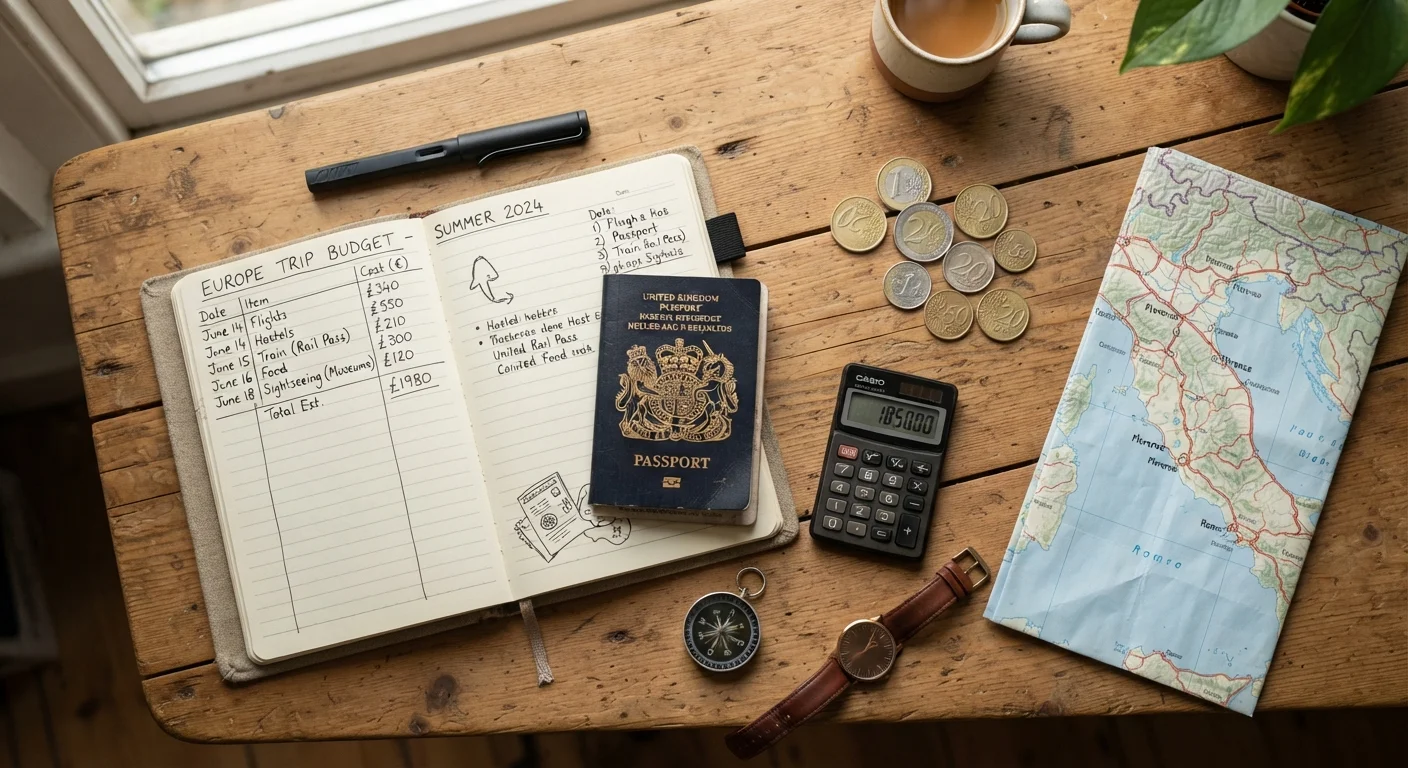
Photo credit: SearchLynk.net | Search Made Easier
In this article
Understand how to distribute a travel budget across flights, accommodation, meals, and activities without guesswork.
Key Takeaways
- Dividing your total budget into specific categories before booking prevents overspending at any single stage.
- Transportation and accommodation typically consume the largest share of a travel budget.
- A contingency reserve of 10-15% of your total budget protects against unexpected costs.
- Booking in advance generally reduces per-night accommodation and flight costs.
- Tracking daily spending during the trip is as important as planning it beforehand.
Why Category-Based Allocation Works Better Than a Single Lump Sum
Many travelers start with a total budget number but spend it without a plan - booking an expensive hotel early, then discovering there is little left for food and activities. Dividing that number into category buckets before any booking is made forces intentional trade-offs upfront, when you still have full flexibility to adjust.
This approach mirrors the envelope budgeting method used in personal finance. As outlined in our personal budgeting fundamentals resource, assigning dollars to specific purposes before spending them is one of the most reliable ways to stay within a fixed limit.
Category allocation also makes it easier to evaluate trade-offs honestly: if flights to your preferred destination consume 50% of the budget, you can decide whether to choose a closer destination, reduce accommodation quality, or accept a leaner experience - rather than discovering the imbalance after booking.
What you will need
What to Expect Before, During, and After Each Stage
Travel costs cluster into three stages: pre-departure (flights, accommodation deposits, travel insurance, visa fees), on-the-ground (daily meals, transit, activities, incidentals), and post-trip (charges that appear after you return, such as foreign transaction fees or baggage claim fees). Most budget planning focuses on the first stage and underestimates the second and third.
Planning costs tend to be large and visible; daily costs are small but cumulative. A $15 lunch seems trivial, but fourteen of them on a two-week trip adds up to $210 - meaningful within a tight budget. This is why tracking during the trip (Step 7) is not optional.
Hidden Fees Can Derail Your Budget
Resort fees, checked baggage charges, local departure taxes, and currency conversion fees are easy to miss during planning. Always read the full cost breakdown before confirming any booking. Our article on hidden travel costs covers the most commonly overlooked expenses in detail.
For a full end-to-end planning framework that covers everything from first research through departure day, see our guide on planning a trip from idea to departure.
Use a Simple Spreadsheet From Day One
Create a spreadsheet with one column for each budget category and a running total. Update it every time you confirm a booking or make a purchase. This single habit prevents the common problem of realizing - mid-trip - that early spending has crowded out later priorities.
Rushed, late-stage planning typically produces higher costs and more stress. Our article on why last-minute planning costs more explains the specific risks in detail.
Establish your hard budget ceiling
Write down the exact dollar amount you can spend across the entire trip - including every cost from the moment you leave home to the moment you return. This is your ceiling; every allocation decision flows from it. If you are traveling with others, clarify upfront whether this is a shared pool or individual per-person figure.
Reserve a contingency fund first
Before allocating a single dollar to flights or hotels, set aside 10-15% of your total budget as a contingency reserve. This fund covers flight delays, medical needs, lost luggage fees, or any unexpected expense that arises mid-trip. Treat it as untouchable unless a genuine emergency occurs.
Allocate transportation costs
Apply roughly 30-40% of your remaining budget (after the contingency reserve) to all transportation: flights or driving costs, airport transfers, local transit, taxis, and car rentals. Research actual fares before locking in this percentage - long-haul international flights may push this figure higher, while domestic road trips may leave more room elsewhere.
For multi-state road trips, fuel, tolls, and overnight stops all count toward this category. See our road trip planning guide for a breakdown of those specific costs.
Allocate accommodation costs
Assign 25-35% of the remaining budget to lodging. Multiply your nightly cost estimate by the total number of nights to validate the allocation. The type of accommodation you choose - hotel, vacation rental, hostel, or home-stay - significantly affects this figure. Our guide on choosing the right accommodation type can help you weigh the trade-offs before committing.
Allocate food and dining costs
Set aside 20-25% of the remaining budget for meals, groceries, and beverages. Estimate a realistic daily food spend per person based on the destination's cost of living - a reasonable daily figure varies widely between cities and countries. Mix of self-catering (if your accommodation has a kitchen) and dining out can stretch this category further without eliminating the experience of local food.
Allocate activities, tours, and entry fees
Reserve 10-15% of the remaining budget for museums, guided tours, outdoor excursions, and ticketed events. Research specific entry fees in advance - popular attractions often have fixed prices listed on official websites. Prioritize the two or three experiences that matter most to you and treat the rest as flexible spending.
To avoid over-scheduling, see our itinerary-building guide for structuring a realistic daily plan.
Track actuals daily during the trip
Log every purchase against its category each evening. Compare your running total against the budget allocation to catch overspending early, while you still have time to adjust. If one category is running over, identify where you can trim in another - for example, choosing a less expensive dinner to balance a higher-than-planned activity cost.
Budget Allocations Are Estimates, Not Guarantees
Prices for flights, accommodation, and activities vary significantly by destination, season, and availability. The percentage ranges in this guide are general frameworks, not financial promises. Always verify current pricing through official sources and build flexibility into your plan. For broader financial planning principles, consider consulting a qualified financial adviser.

Author
Travel & Trips Editorial Team
Travel & Trips Editorial Team is the collective byline for our editorial team and contributor network. Articles published under this byline or an editorial pen name are researched, written, and reviewed according to our editorial standards for clarity, consistency, and independence before publication.
View all articles →