
Data Speeds Explained: 4G LTE, 5G Sub-6, and mmWave
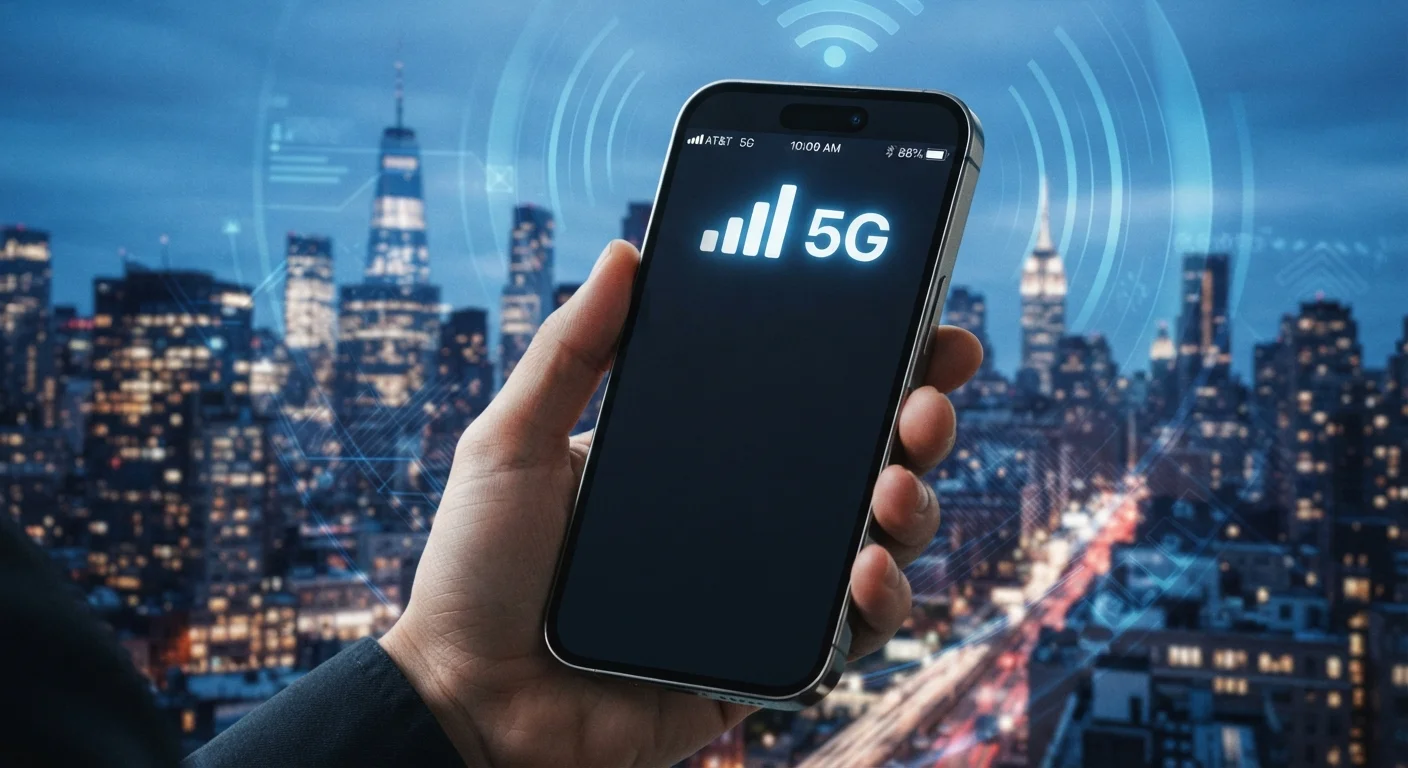
Photo credit: SearchLynk.net | Search Made Easier
In this article
Carriers advertise 5G broadly, but not all 5G is equal. Understand the real-world speed and coverage differences between each technology.
Key Takeaways
- 4G LTE remains the most widely available mobile data technology in the U.S., covering rural and suburban areas reliably.
- 5G Sub-6 GHz offers modest speed improvements over LTE but far better coverage than mmWave - it's what most 5G phones actually use day-to-day.
- mmWave 5G delivers peak speeds in the gigabit range but is limited to dense urban areas and indoor venues with dedicated hardware.
- A phone labeled '5G capable' may spend most of its time on Sub-6 or even LTE depending on location.
- Real-world speeds consistently fall below carrier-advertised maximums due to network load, distance from towers, and physical obstructions.
Why the Same '5G' Label Covers Very Different Experiences
Carrier advertising treats 5G as a single, uniform upgrade. In practice, it describes a family of technologies using different radio frequencies - and those frequencies determine what you actually experience. A commuter streaming video in a dense downtown may be on mmWave 5G pulling 900 Mbps. A driver 20 miles away sees a 5G icon on the same carrier but is actually on Sub-6 spectrum doing 80 Mbps. A hiker in a rural county may be on 4G LTE at 30 Mbps. All three are legitimate connections; none is mislabeled. Understanding why they differ is the key to reading any carrier plan clearly.
For a broader look at how signal strength, band frequency, and tower density shape your connection, see how mobile network coverage actually works.
~30 Mbps
Median U.S. 4G LTE download speed
Figures from network testing firms such as Ookla and OpenSignal place median LTE speeds in this range, with significant variation by carrier and region.
~100-300 Mbps
Typical mid-band Sub-6 5G download speed
Independent network tests consistently show mid-band 5G outpacing LTE by a meaningful margin in areas where it is deployed.
>1 Gbps
Peak mmWave 5G speed in ideal conditions
Controlled tests and select venue deployments have recorded gigabit-range throughput, though everyday outdoor mmWave coverage remains limited to dense urban deployments.
4G LTE: The Reliable Foundation
4G LTE (Long-Term Evolution) has been the backbone of U.S. mobile broadband since roughly 2010. It operates on frequency bands generally between 600 MHz and 2.5 GHz - a range that balances speed with the ability to travel long distances and pass through building materials. This is why LTE is the technology that reaches rural areas, penetrates concrete walls, and maintains a usable signal when you're far from a city center.
In real-world conditions, LTE delivers roughly 20-100 Mbps for most users - enough for HD video streaming, video calls, and most app usage. Peak theoretical speeds are higher, but practical throughput depends on how many users share a tower at any moment and how close you are to it. LTE networks are mature and heavily optimized, which means congestion management and consistency are often better than on newer 5G deployments still being built out.
LTE will remain a significant part of U.S. wireless infrastructure for the foreseeable future, particularly outside major metros.
5G Sub-6 GHz: The Everyday 5G
When most Americans experience 5G on their phones, they're using Sub-6 GHz spectrum - frequencies below 6 GHz, typically in the 600 MHz, 2.5 GHz, or 3.5 GHz bands. This range offers a meaningful but not transformative improvement over LTE: typical real-world speeds run between 50 and 300 Mbps, with lower-band Sub-6 (around 600-900 MHz) performing closer to LTE but covering very wide geographic areas.
Mid-band Sub-6 spectrum, particularly around 2.5-3.7 GHz, delivers the more noticeable speed gains while still maintaining reasonable coverage distances. This is where carriers have concentrated much of their 5G infrastructure investment, as it represents the best practical trade-off between speed and reach.
Sub-6 signals can still be blocked by buildings and terrain, though far less severely than mmWave. If your phone shows a 5G indicator in most everyday locations - suburban neighborhoods, mid-size cities, highway corridors - it's almost certainly on Sub-6. Understanding this distinction matters when evaluating plan claims. See wireless plan jargon decoded for a full glossary of the terms carriers use around these technologies.
Check Your Carrier's Coverage Map Carefully
Most carrier coverage maps now distinguish between different 5G types - look for separate indicators for 'Extended Range 5G' (Sub-6 low-band) and 'Ultra Wideband' or 'mmWave' zones. Before upgrading a plan or device, verify which type of 5G is actually deployed in the areas you use most. Coverage at your home address can differ significantly from coverage along your commute or in buildings where you spend time.
mmWave 5G: Peak Speed, Narrow Reach
Millimeter wave (mmWave) 5G operates between roughly 24 GHz and 47 GHz. These extremely high frequencies carry massive amounts of data - theoretical peak speeds exceed 4 Gbps, and real-world connections of 1 Gbps or more are documented in optimal conditions. That capacity makes mmWave valuable in environments with enormous simultaneous demand: sports arenas, concert venues, convention centers, and dense urban street-level deployments.
The trade-off is profound. mmWave signals travel only a few hundred feet from a transmitter and are blocked by walls, windows, foliage, and even rain. Carriers must install dense networks of small cells - low-power transmitters mounted on streetlights or building facades - to provide any meaningful coverage area. This infrastructure investment is expensive and time-consuming, which is why mmWave coverage remains limited to specific blocks in a handful of major cities.
If you're evaluating a device's 5G specs, check whether it supports mmWave in addition to Sub-6 - not all 5G phones include mmWave hardware. See smartphone specs decoded for how modem specs appear on device listings.
Putting It Together: What to Look for in a Plan
When reviewing a wireless plan, consider three questions about connectivity technology. First, what spectrum does the carrier primarily use for 5G in your area? A carrier's coverage map may distinguish between Sub-6 and mmWave zones - check whether your home, workplace, and frequent travel areas fall in each. Second, does your device support the relevant bands? A 5G phone purchased outside the U.S. may lack the specific frequency bands a domestic carrier uses. Third, how does the carrier handle network congestion and data prioritization? These factors affect real-world speeds more than peak theoretical figures.
For a comprehensive walkthrough of how U.S. carrier plan structures work - including network tiers, MVNOs, and what plan language actually means - see the complete guide to wireless carrier plans. And if you're comparing mobile data against home broadband options, home internet explained covers cable, fiber, and fixed wireless in similar plain-language terms.
Frequently Asked Questions

Author
Tech & Telecom Editorial Team
Tech & Telecom Editorial Team is the collective byline for our editorial team and contributor network. Articles published under this byline or an editorial pen name are researched, written, and reviewed according to our editorial standards for clarity, consistency, and independence before publication.
View all articles →