
A Practical Introduction to Reading and Comparing Food Ingredient Lists
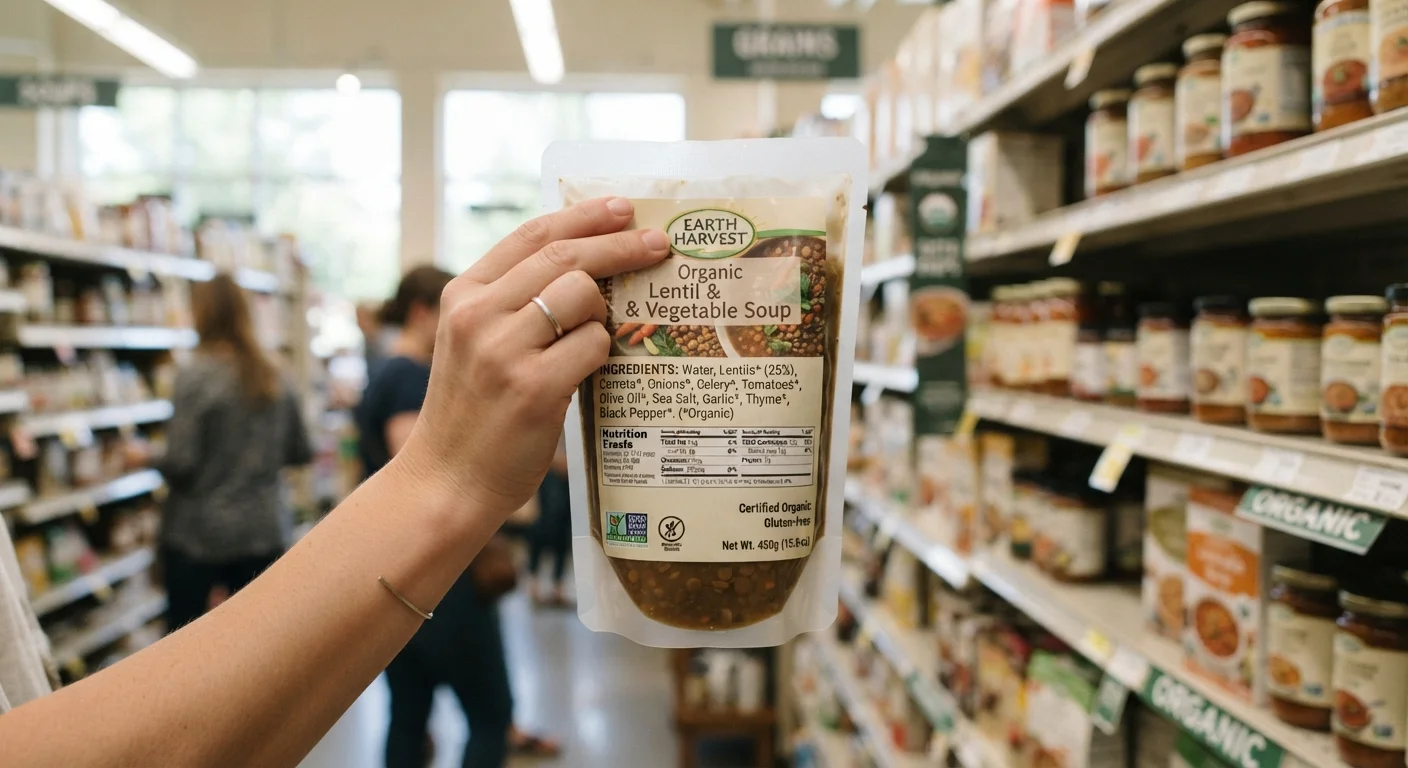
Photo credit: SearchLynk.net | Search Made Easier
In this article
Ingredient lists follow specific rules. Learn how to use them to make more informed choices at the grocery store.
Key Takeaways
- Ingredients are listed by weight, heaviest first - the first few entries matter most.
- Added sugars can appear under many different names, making them easy to overlook.
- Shorter ingredient lists often indicate less processing, but length alone isn't everything.
- Ingredient lists and Nutrition Facts labels work together - use both for a complete picture.
- Unfamiliar-sounding ingredients aren't automatically harmful; context matters.
How Ingredient Lists Are Structured
Every packaged food sold in the United States must carry an ingredient list, and it follows a specific federal rule: ingredients are listed in descending order by weight. The ingredient that weighs the most in the final product appears first; the one that weighs the least appears last.
This ordering rule is set by the U.S. Food and Drug Administration (FDA) and applies consistently across food categories. A breakfast cereal that lists whole grain oats first contains more oats by weight than anything else. A salad dressing that lists soybean oil first is predominantly oil.
Sub-ingredients - the components of a compound ingredient - are listed in parentheses immediately following the compound ingredient's name. For example, "chocolate chips (sugar, cocoa butter, chocolate, vanilla extract)" tells you that the chips themselves are mostly sugar by weight.
Descending order by weight
The FDA rule requiring that the ingredient present in the largest amount (by weight) be listed first, with remaining ingredients following in decreasing order of how much they contribute to the product.
Added sugars
Sugars that are added to a food during processing or preparation, as opposed to sugars that occur naturally in ingredients like fruit or milk. They can appear under many different names on an ingredient list.
Sub-ingredients
The individual components that make up a compound ingredient, listed in parentheses directly after the compound ingredient's name on the label.
Enriched flour
Refined white flour that has been stripped of most of its bran and germ during milling, then had a limited set of nutrients added back. It differs from whole grain flour, which retains all parts of the grain.
Allergen disclosure
A required label statement identifying the presence of any of the major food allergens - such as peanuts, tree nuts, milk, eggs, wheat, soy, fish, or shellfish - either within the ingredient list or in a separate 'Contains' statement.
For a deeper look at the numbers that sit alongside the ingredient list, see our guide on what the Nutrition Facts label is actually telling you.
What to Look for First
Because of the weight-ordering rule, the first three to five ingredients usually define the character of a food. If refined flour, sugar, and partially hydrogenated oil occupy the top positions in a cracker, those are the dominant components - regardless of what health claims appear on the front of the package.
Two signals worth scanning for early in the list:
- Whole foods near the top - whole grain wheat, rolled oats, olive oil, or identifiable proteins like chicken or eggs suggest a less heavily processed product.
- Sugar in multiple forms - when cane syrup, brown rice syrup, and dextrose all appear in the same list, their individual weights may each be small enough to rank lower, even though their combined contribution to total sugar is significant.
Front-of-Package Claims Aren't the Full Story
Marketing language on the front of a package - phrases like "multigrain," "lightly sweetened," or "a good source of fiber" - is not regulated the same way ingredient lists are. Always flip to the back and check the ingredient list to see whether those claims hold up. The ingredient list is the most reliable signal you have.
Front-of-package claims like "made with whole grains" or "contains real fruit" don't guarantee those ingredients dominate the formula. The ingredient list is where you verify the claim.
Decoding Common Ingredient Terms
Ingredient lists contain technical language that can feel opaque. Some common terms worth knowing:
- Enriched flour
- Refined white flour that has had some vitamins and minerals added back after processing removes them. It's not the same as whole grain flour.
- Partially hydrogenated oils
- Oils processed to become solid at room temperature, creating trans fats. The FDA has effectively banned their use in most food manufacturing, but understanding the term helps when reading older or imported products.
- Modified food starch
- A starch that has been chemically or physically altered to improve texture or stability. It is not a whole food ingredient but is widely considered safe.
- Natural flavors
- A broad regulatory category covering flavoring agents derived from plant or animal sources. The label does not specify the exact source, which can matter for people with dietary restrictions.
- Carrageenan
- A thickener derived from seaweed, used in dairy alternatives and some dairy products. It has been the subject of ongoing research discussion; if it concerns you, look for products formulated without it.
How to Compare Two Products Side by Side
Comparing ingredient lists between two similar products is one of the most practical skills you can build. A structured approach helps:
- Check the first ingredient. Is it a whole food or a refined one? This single comparison often reveals meaningful differences between competing products.
- Count the sugar sources. List every ingredient that is a form of sugar in each product and compare totals. Pair this with the "Added Sugars" line on the Nutrition Facts label for context.
- Note ingredient count. A shorter list isn't automatically better, but it's a useful signal. If one product achieves the same result with fewer ingredients, that's worth noting.
- Look for recognizable components. Can you identify most of the ingredients as foods or familiar culinary substances? The more unfamiliar the list, the more processing has typically occurred.
- Check allergen disclosures. Major allergens - including milk, eggs, fish, shellfish, tree nuts, peanuts, wheat, and soybeans - must be declared. These appear either within the list or in a separate "Contains" statement.
For readers thinking about ingredient-conscious shopping more broadly, our piece on eating well on a budget offers practical strategies that pair well with label literacy.
Limitations and What Ingredient Lists Don't Tell You
Ingredient lists are a useful tool, but they have real limitations worth understanding.
Quantities aren't disclosed. You know the relative order of ingredients by weight, but not the exact amounts. A product listing oats first could contain 40% oats or 70% - you can't tell from the label alone.
Processing methods aren't described. Two products listing "tomatoes" may have used very different processing approaches. The ingredient name alone doesn't capture temperature, duration, or mechanical treatment.
Nutrient quality isn't captured. An ingredient list won't tell you how bioavailable the nutrients are, or how cooking and processing have altered them. That's where the Nutrition Facts panel, and broader dietary context, becomes essential.
"Clean" labels aren't a guarantee. A product with a short, recognizable ingredient list can still be high in sodium or saturated fat. Label literacy works best when ingredient lists and nutrition information are used together.
Ingredient Lists Work Best Alongside Nutrition Facts
Ingredient lists tell you what's in a food; the Nutrition Facts panel tells you how much of each nutrient a serving provides. Neither panel alone gives you the full picture. Developing the habit of consulting both together leads to more informed comparisons than either source alone. If you haven't yet explored the Nutrition Facts label in detail, that's a natural next step.
For readers navigating specific dietary patterns, see our comparison of plant-based and omnivore eating patterns for additional context on how ingredient choices fit into broader nutritional frameworks.
This article is for general informational and educational purposes only and is not a substitute for professional medical or dietary advice. Consult a qualified healthcare provider or registered dietitian for guidance specific to your health needs.
Frequently Asked Questions

Author
Health & Wellness Editorial Team
Health & Wellness Editorial Team is the collective byline for our editorial team and contributor network. Articles published under this byline or an editorial pen name are researched, written, and reviewed according to our editorial standards for clarity, consistency, and independence before publication.
View all articles →