
Eating Well on a Budget: Practical Approaches for Nutritious, Affordable Meals
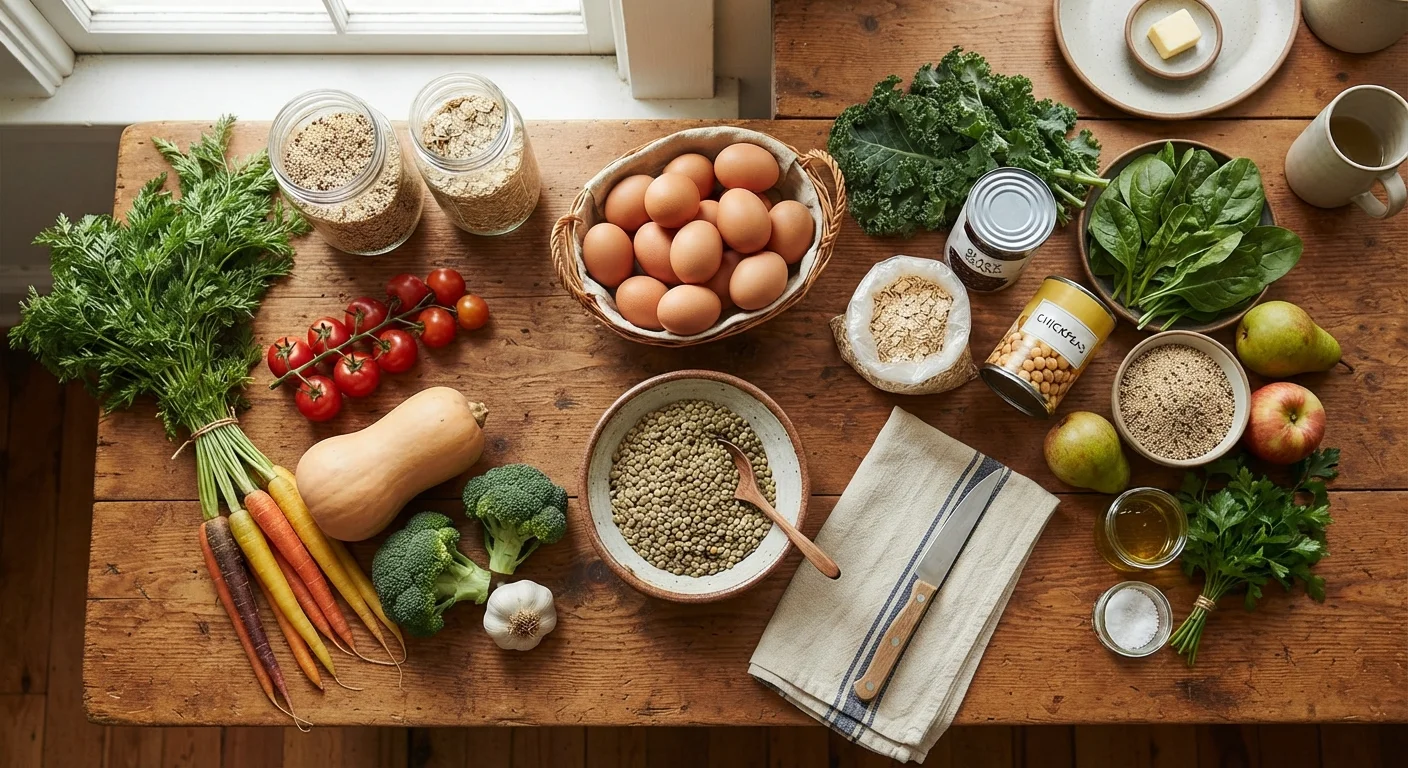
Photo credit: SearchLynk.net | Search Made Easier
In this article
Practical strategies for stretching your grocery budget without sacrificing nutritional quality — from pantry staples to smart shopping habits.
Key Takeaways
- Pantry staples like dried legumes, whole grains, and canned vegetables offer strong nutrition at low cost per serving.
- Meal planning before shopping significantly reduces impulse purchases and food waste.
- Frozen and canned produce can match fresh vegetables nutritionally and often cost less.
- Centering meals on plant-based proteins is one of the most effective ways to cut food spending.
- Store-brand products frequently match name-brand nutritional profiles at noticeably lower prices.
The Nutrition-Cost Tradeoff Is a Myth Worth Debunking
Many Americans assume that eating healthfully is inherently expensive - a luxury reserved for those with generous grocery budgets. Research suggests a more nuanced picture. Some of the most nutrient-dense foods available, including dried beans, lentils, oats, eggs, and seasonal vegetables, consistently rank among the lowest-cost items per serving in the grocery store.
The challenge isn't that nutritious food is unaffordable - it's that the most heavily marketed foods tend to be processed, convenient, and prominently placed. Understanding which foods deliver the best nutritional return on your dollar is a practical skill, not a lifestyle privilege. This article outlines the approaches that nutrition and food-access researchers consistently highlight as effective for eating well without overspending.
This content is for general informational and educational purposes only. It is not a substitute for personalized advice from a registered dietitian or qualified healthcare professional.
Build Your Diet Around High-Value Staples
Certain foods punch far above their weight when it comes to nutrients per dollar. Prioritizing these in your weekly shopping creates a reliable nutritional foundation without straining your food budget.
Make dried or canned legumes a weekly staple.
Beans, lentils, and chickpeas are among the most cost-effective sources of protein, fiber, and key micronutrients available. A pound of dried lentils typically costs under two dollars and yields multiple servings. They also store well, reducing waste.
Choose whole grains over refined grain products when budget allows.
Oats, brown rice, barley, and whole-wheat products provide more fiber and nutrients per serving than their refined counterparts. They also tend to be more filling, which can reduce overall food consumption. Many whole grains are available in bulk or store-brand formats at competitive prices.
Use eggs as a versatile, affordable protein source.
Eggs contain high-quality protein along with vitamins B12 and D, choline, and healthy fats. On a per-gram-of-protein basis, they rank among the most affordable animal proteins available. Their versatility across meals - breakfast, lunch, and dinner - adds practical value.
Buy seasonal and locally abundant produce.
Produce prices drop when supply is high during peak growing seasons. In-season fruits and vegetables are also at their nutritional peak, making seasonal shopping both economical and nutritionally sound.
Select store-brand products over name-brand equivalents.
Store-brand canned goods, frozen vegetables, grains, and dairy products are manufactured to meet the same regulatory standards as name-brand items. Nutritional profiles are typically nearly identical. The price difference, however, is often substantial across a full grocery cart.
For a deeper look at how to stock these staples effectively, see our pantry audit checklist to identify gaps in your kitchen. If you're also working on overall household finances, the personal budgeting guide offers a useful starting point for tracking and allocating grocery spending.
Shop Smarter, Not Just Cheaper
How you shop matters nearly as much as what you buy. Unplanned grocery trips are among the most reliable drivers of food overspending - and often lead to less nutritious choices made under time pressure.
Frozen and canned vegetables are worth a specific mention. Studies have found that freezing produce shortly after harvest preserves most of its vitamins and minerals, often making frozen options nutritionally comparable to fresh. Canned goods follow a similar logic - look for options with no added salt or minimal added ingredients. Our guide to reading food ingredient lists can help you evaluate labels quickly at the store.
90%
Americans not meeting fiber intake recommendations
According to the Dietary Guidelines for Americans, dietary fiber is classified as a nutrient of public health concern due to widespread inadequacy - and fiber-rich foods like beans and whole grains are among the most affordable in the grocery store.
$1.50
Approximate cost per serving of dried lentils
USDA food cost data consistently places dried legumes among the lowest-cost protein sources available in U.S. grocery stores, often well under two dollars per cooked serving.
When buying shelf-stable staples in larger quantities makes sense, it's worth understanding when bulk purchasing actually saves money versus creating waste. See when bulk buying works for a practical framework.
Putting It Into Practice
Eating well on a budget is less about perfect adherence to a plan and more about building a handful of reliable habits. Choosing a balanced plate approach doesn't require expensive specialty foods - whole grains, vegetables, legumes, and modest amounts of protein cover most nutritional bases affordably. Fiber-rich foods like beans, lentils, and oats are among the most affordable in the grocery store and among the most underconsumed; our article on dietary fiber explains why this nutrient matters and where to find it cheaply.
If you're building a grocery budget for the first time, integrating food costs into a broader monthly budget is a logical next step. Building a monthly budget that accounts for real food spending - not an aspirational number - makes it easier to plan meals consistently rather than reactively.
Nutritional needs also shift over time, so approaches that work well in one life stage may need adjustment in another. Our overview of nutrition through the decades provides useful context for understanding how priorities evolve.

Author
Health & Wellness Editorial Team
Health & Wellness Editorial Team is the collective byline for our editorial team and contributor network. Articles published under this byline or an editorial pen name are researched, written, and reviewed according to our editorial standards for clarity, consistency, and independence before publication.
View all articles →