
Nutrition Through the Decades: How Dietary Needs Shift as You Age
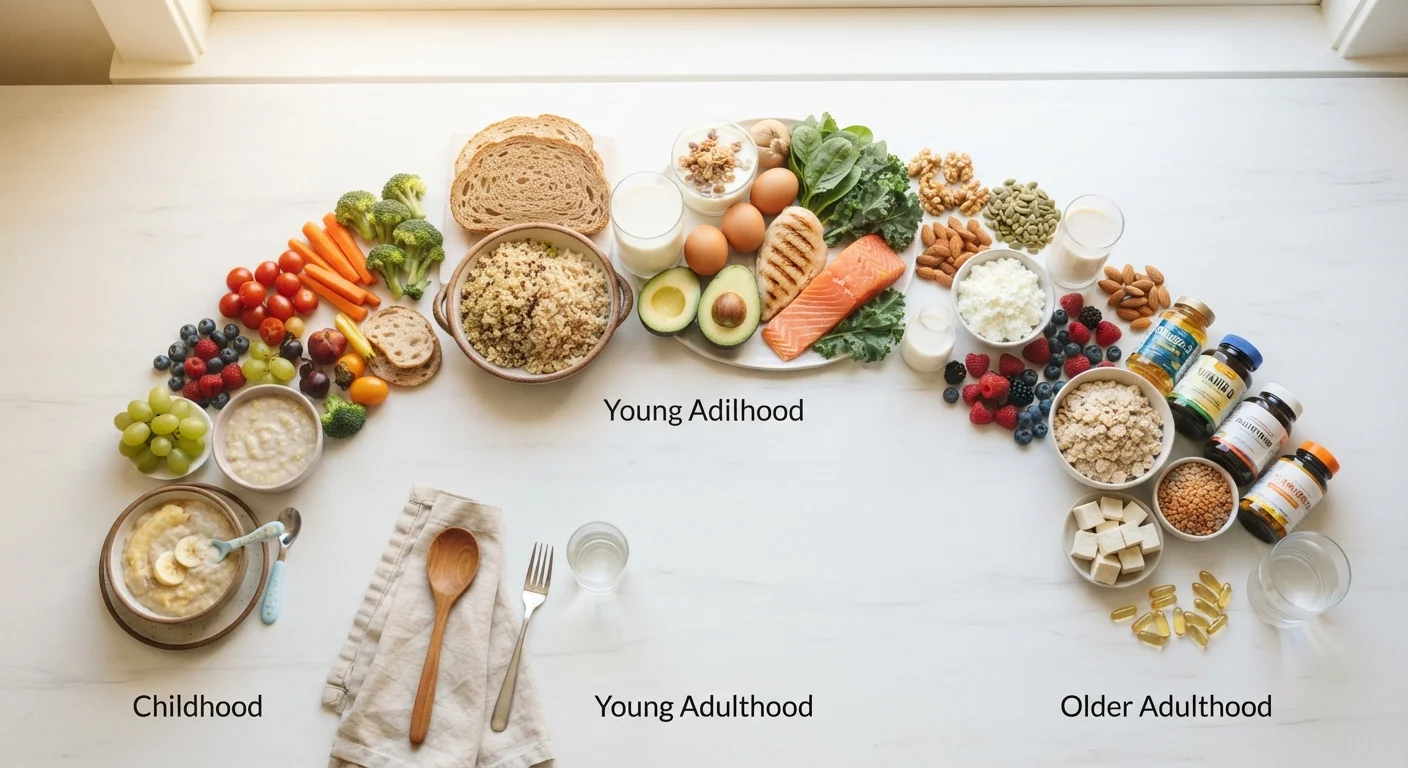
Photo credit: SearchLynk.net | Search Made Easier
In this article
From young adulthood to older age, nutritional priorities evolve. Here's a general overview of how needs shift and why.
Key Takeaways
- Calorie needs generally decrease with age, but the need for certain nutrients often increases.
- Protein intake becomes especially important in midlife and beyond to help preserve muscle mass.
- Bone-supporting nutrients like calcium and vitamin D are priorities across all adult decades.
- Digestive changes in older adults can affect nutrient absorption, making food quality more critical.
- No single diet is right for every age - needs shift based on individual health, activity, and biology.
- Consulting a registered dietitian is the most reliable way to tailor nutrition to your specific life stage.
Why Nutritional Needs Don't Stay the Same
The body in its twenties operates differently from the body in its sixties. Hormones shift, metabolic rate changes, organ function evolves, and the demands placed on various biological systems fluctuate throughout adult life. Nutrition science recognizes these differences - which is why dietary guidance isn't one-size-fits-all across age groups.
Understanding general patterns in how nutritional needs shift can help people make smarter food choices at each life stage, without chasing trends or falling for oversimplified advice. Just as financial priorities evolve across decades, so too does what the body needs from food.
~10%
Decline in resting metabolic rate per decade after 20s
Research published in journals including Science (2021) suggests metabolic rate is relatively stable from roughly ages 20 to 60, with a more notable decline in later decades - though individual variation is significant.
1 in 3
Older adults with vitamin D insufficiency
Studies and national nutrition surveys have consistently found vitamin D insufficiency to be common among adults over 65 in the United States, partly due to reduced sun exposure and absorption efficiency.
3-8%
Muscle mass lost per decade after age 30
The National Institutes of Health and related research literature cite sarcopenia - age-related muscle loss - as beginning as early as the fourth decade of life without countermeasures like resistance exercise and adequate protein.
Young Adulthood (Roughly the 20s and 30s)
During the twenties and into the thirties, many people are at or near their peak muscle mass and bone density. This is also a period when lifestyle habits - eating patterns, activity levels, sleep - begin to compound in ways that influence long-term health trajectories.
Adequate calcium and vitamin D remain important through this stage for maintaining bone density built during adolescence. Iron is particularly relevant for people who menstruate. Folate is a priority for anyone who may become pregnant, given its role in early fetal neural development.
In terms of overall eating pattern, a varied diet rich in whole grains, vegetables, fruits, lean proteins, and healthy fats provides the broad micronutrient base the body draws on. Excessive ultra-processed food intake in these years is associated in research with poorer health markers over time - though this is a general population-level pattern, not an individual guarantee. See our practical guide to eating well on a budget for accessible ways to build a quality diet without overspending.
Midlife (The 40s and 50s)
Midlife brings meaningful physiological changes that influence nutritional priorities. Metabolic rate typically begins a gradual decline, meaning calorie needs may decrease even for active individuals. At the same time, the risk of chronic conditions - cardiovascular disease, type 2 diabetes, declining bone density - becomes a more pressing consideration.
Protein becomes increasingly important during these decades. Research suggests that preserving muscle mass through adequate protein intake and regular physical activity helps offset the natural process of sarcopenia. Fiber-rich foods support digestive health and cardiovascular markers like LDL cholesterol. Antioxidant-rich foods - berries, leafy greens, legumes - are frequently highlighted in dietary guidance, though no single food is a cure-all.
Hormonal transitions, particularly perimenopause and menopause for women, can affect calcium absorption and cardiovascular risk, making calcium, vitamin D, and heart-healthy fats worth paying closer attention to. Consider pairing nutrition strategies with age-appropriate physical activity for a more complete approach.
Spread Protein Throughout Your Day
Rather than eating the majority of your daily protein at a single meal, aim to include a meaningful protein source at breakfast, lunch, and dinner. Research suggests this distribution may support muscle maintenance more effectively than concentrated intake - a habit worth building in midlife before it becomes a more urgent concern.
Older Adulthood (60s and Beyond)
In older adulthood, the gap between calorie needs and nutrient needs widens noticeably. The body may require fewer total calories, but its need for vitamins and minerals doesn't shrink at the same pace - making every meal's nutritional quality more consequential.
Several nutrients deserve particular attention in this stage:
- Vitamin B12: Absorption can decrease with age as stomach acid production declines, making dietary sources or supplementation worth discussing with a healthcare provider.
- Calcium and Vitamin D: Bone loss accelerates in older age, particularly for women post-menopause. Both nutrients remain essential, with vitamin D also playing a role in immune function and muscle performance.
- Protein: Distributing protein across meals - rather than concentrating it in one sitting - may support muscle maintenance more effectively, according to some research.
- Fiber and Hydration: Digestive motility slows with age; adequate fiber and fluid intake support regularity and overall gut function. Thirst sensation can also diminish, making intentional hydration habits especially important.
For those looking to build a nutrient-dense food environment at home, a well-stocked pantry checklist can be a useful starting point. And for those following or considering plant-forward eating in later life, a nutritional comparison of plant-based and omnivore diets offers a grounded overview.
“Older adults need to pay particular attention to nutrient density - every bite counts more when total calorie intake decreases. The goal isn't just eating less; it's eating smarter.”
— National Institute on Aging, U.S. federal agency focused on aging research and health education
This article is for general informational and educational purposes only and does not constitute medical or dietary advice. Consult a qualified healthcare professional or registered dietitian before making significant changes to your diet, especially if you have existing health conditions or are managing chronic illness.
Frequently Asked Questions

Author
Health & Wellness Editorial Team
Health & Wellness Editorial Team is the collective byline for our editorial team and contributor network. Articles published under this byline or an editorial pen name are researched, written, and reviewed according to our editorial standards for clarity, consistency, and independence before publication.
View all articles →