
Stocking a Nutritious Pantry: A Room-by-Room Checklist
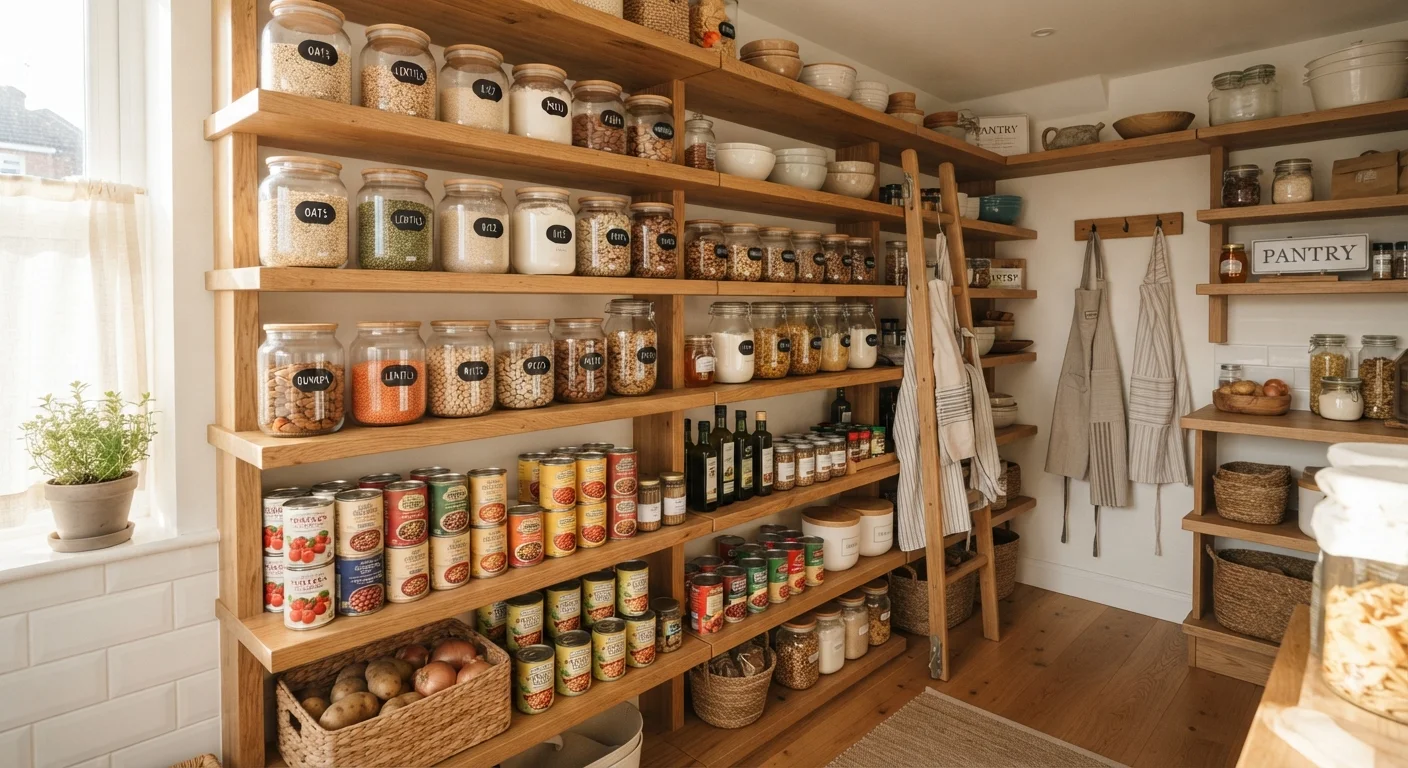
Photo credit: SearchLynk.net | Search Made Easier
Use this checklist to audit your pantry, fridge, and freezer and identify gaps that could make everyday healthy eating easier.
Key Takeaways
- A nutritious pantry doesn't require expensive specialty items - familiar staples cover most nutritional needs.
- Auditing your pantry, fridge, and freezer separately helps you spot gaps more systematically.
- Whole grains, legumes, healthy fats, and a variety of produce form the foundation of balanced eating.
- Frozen and canned options can be just as nutritious as fresh when selected thoughtfully.
- Small, consistent upgrades to your food environment support healthier choices without restrictive dieting.
Why Your Food Environment Matters
Healthy eating rarely starts at the dinner table - it starts at the grocery store and in the organization of your kitchen. When nutritious ingredients are visible, accessible, and ready to use, you're far more likely to reach for them. Conversely, a pantry full of gaps or dominated by ultra-processed options makes balanced meals harder to pull together, especially on busy weeknights.
This checklist takes a room-by-room approach - pantry shelves, refrigerator, and freezer - so you can audit what you already have, identify what's missing, and make targeted additions. It's not about a complete overhaul or eliminating foods you enjoy. It's about building a reliable foundation. For broader strategies on eating well at every meal, see building a balanced plate without calorie counting.
Work through each section below with your fridge and pantry open. Check off what you have, note what you're low on, and use the list as your next grocery guide.
Pantry Shelves - Grains & Starches
Pantry Shelves - Fats, Oils & Condiments
Pantry Shelves - Canned & Jarred Goods
Refrigerator - Produce & Dairy
Refrigerator - Proteins & Leftovers
Freezer - Vegetables, Fruit & Proteins
Making Smart Selections When You Shop
Having a checklist is only half the equation - knowing how to evaluate what goes on that list makes the difference. When choosing packaged staples like canned goods, whole-grain products, or nut butters, the ingredient list is your clearest guide. As a general principle, shorter ingredient lists with recognizable items tend to indicate less processing. For a practical walkthrough, see reading and comparing food ingredient lists.
Don't Overlook Expiration and Storage Dates
As you audit your pantry, check expiration dates on canned goods, oils, nuts, and packaged grains. Oils in particular can go rancid over time, which affects both flavor and quality. Discard anything significantly past its best-by date, and rotate new purchases behind older stock to avoid repeat waste.
Budget is a real consideration for most households. Fortunately, many of the most nutritious pantry staples - dried beans, oats, canned tomatoes, frozen vegetables - are also among the most affordable options in the store. Eating well on a budget offers concrete strategies for stretching your grocery dollars without sacrificing nutritional quality.
It's also worth noting that nutritional needs vary by life stage. If you're stocking a pantry for a household with children, older adults, or people managing specific health conditions, individual needs may differ. Nutritional needs shift across the decades, and a registered dietitian can offer personalized guidance that a general checklist cannot.
Reusable grocery list or notes app
Record pantry gaps identified during the audit so you can shop systematically rather than from memory.
Airtight storage containers
Keep dried grains, legumes, and nuts fresh longer and visible so they actually get used.
Permanent marker or label tape
Date leftovers, frozen batches, and opened packages to support food safety and reduce waste.
Nutrition label guide or app
Help decode ingredient lists and nutrition facts panels when comparing packaged pantry staples.
This article is for general informational and educational purposes only and is not a substitute for personalized nutrition or medical advice. Consult a qualified healthcare professional or registered dietitian for guidance specific to your health needs.

Author
Health & Wellness Editorial Team
Health & Wellness Editorial Team is the collective byline for our editorial team and contributor network. Articles published under this byline or an editorial pen name are researched, written, and reviewed according to our editorial standards for clarity, consistency, and independence before publication.
View all articles →