
Generic vs. Name Brand: A Category-by-Category Breakdown
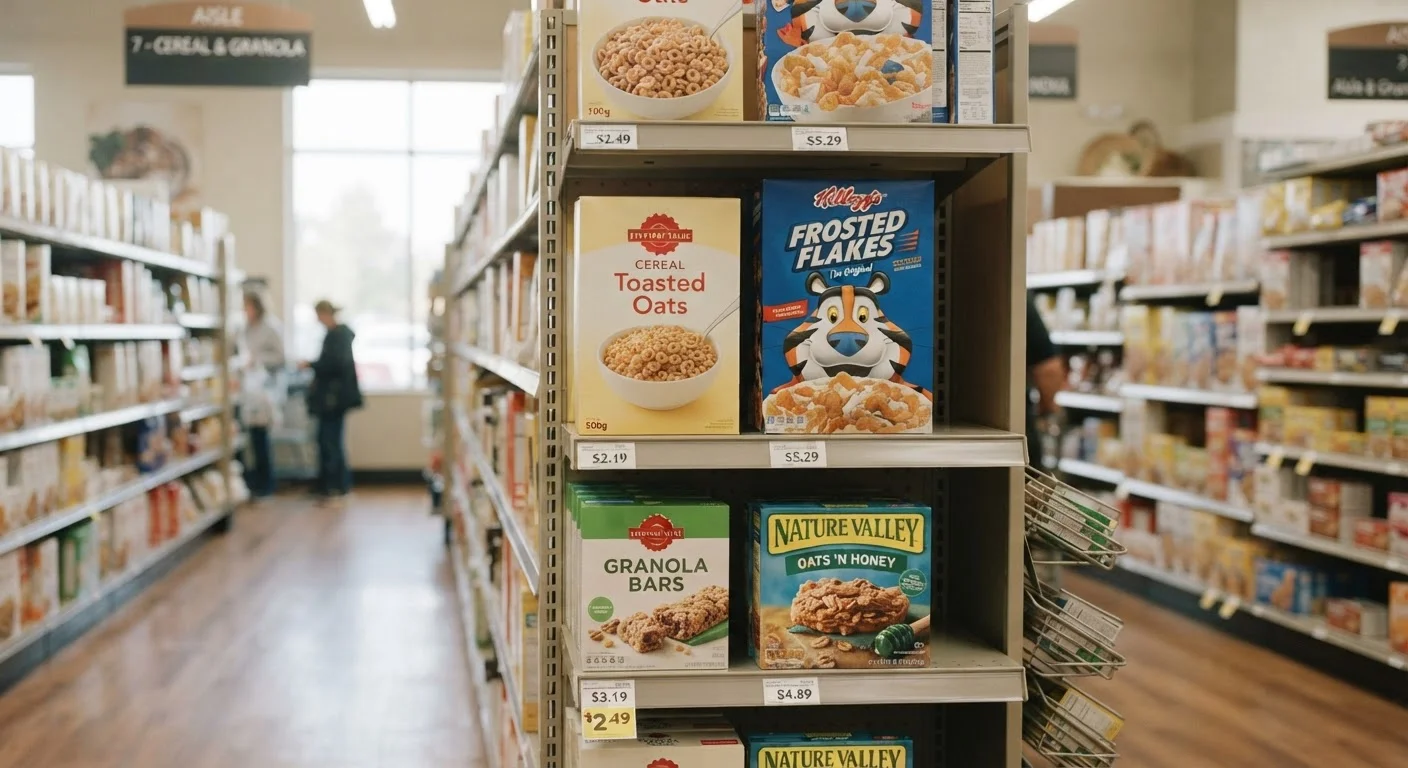
Photo credit: SearchLynk.net | Search Made Easier
In this article
Store brands excel in some categories and fall short in others. See which product types reward switching and which ones are worth the name-brand premium.
Key Takeaways
- Generic products are often manufactured by the same suppliers as name brands, particularly in staple food and pharmaceutical categories.
- Categories like over-the-counter medications, pantry staples, and cleaning supplies frequently offer comparable quality at lower prices.
- Some categories - including complex electronics, adhesives, and certain personal care items - may deliver meaningfully different results.
- Ingredient and specification labels are the most reliable tool for comparing generic and name-brand products.
- Switching strategically by category can yield consistent savings without sacrificing performance.
Why the Generic vs. Name Brand Question Actually Matters
The price gap between store brands and name brands can be substantial - often 20% to 40% lower for generics across grocery and household categories. Over the course of a year, those differences compound into meaningful amounts within a household budget. Understanding where your spending actually goes is the first step; knowing where to switch is what turns awareness into savings.
The key insight most consumers miss is that a lower price does not automatically mean lower quality - nor does a premium price guarantee superior performance. The relationship between cost and value varies widely by category, and the only way to navigate it confidently is to understand what actually drives quality differences in each product type.
Start With One Swap Per Shopping Trip
Rather than overhauling your entire cart at once, try substituting one name-brand item with its generic equivalent each trip. Evaluate it before switching the next item. This approach lets you build a personal list of trusted generics without risking satisfaction across the board - and makes the process low-stakes and reversible.
Categories Where Generics Consistently Perform
Over-the-counter medications: This is arguably the clearest case for generics. The FDA requires that store-brand OTC drugs contain the same active ingredient at the same dosage and meet the same bioequivalence standards as their name-brand counterparts. The active ingredient in a store-brand pain reliever is chemically identical to the name-brand version. Any price difference goes toward brand marketing, not efficacy.
Pantry staples: All-purpose flour, granulated sugar, baking soda, canned tomatoes, dried pasta, and similar commodities are governed more by agricultural sourcing and processing standards than by brand. Taste differences, where they exist, are usually negligible. Many store-brand pantry items are produced in the same facilities as national brands.
Household cleaners: Bleach-based cleaners, general-purpose sprays, and dish soap rely on a handful of well-understood chemical compounds. Concentration levels and formulations are often comparable; reading the active ingredient percentages on the label confirms this quickly.
Basic frozen vegetables: Frozen peas, corn, and green beans are a commodity. The freezing process preserves nutritional content regardless of brand, and quality differences are typically attributable to the source crop rather than the brand name on the bag.
| Category | Generic | Name Brand | |
|---|---|---|---|
| OTC Medications | Same active ingredients, FDA-regulated | Higher cost, identical efficacy standard | |
| Pantry Staples | Comparable quality, often same source | Premium price, minimal added value | |
| Household Cleaners | Similar active compounds, lower cost | Brand recognition, comparable performance | |
| Skin & Hair Care | Variable formulation, unregulated concentrations | More consistent results, proprietary formulas | |
| Batteries | Suitable for low-drain devices | Noticeably longer life in high-drain devices | |
| Adhesives & Sealants | Adequate for light-duty tasks | Better performance under demanding conditions |
Categories Where Name Brands May Earn Their Premium
Adhesives and specialty tools: In categories where proprietary formulation directly affects performance - strong adhesives, certain sealants, or precision tools - brand-specific engineering can produce meaningfully different results. Generic versions may work for low-stakes applications but underperform under demanding conditions.
Skin care and hair care: Active ingredient concentrations, delivery systems, and formulation stability vary considerably in this space and are not standardized by regulation the way pharmaceuticals are. A generic moisturizer may list similar ingredients but apply, absorb, or preserve differently. This is a category where personal testing matters more than label comparison alone.
Batteries: Independent testing has shown measurable differences in longevity between premium and economy batteries - particularly in high-drain devices like digital cameras and handheld game controllers. For low-drain uses like remote controls, the difference shrinks considerably.
Infant formula: The FDA regulates infant formula to minimum nutritional standards, meaning generic and name-brand formulas must meet the same requirements. However, specific supplemental ingredients or formulation variants (for digestive sensitivity, for example) differ between products. Families navigating specific infant health needs should consult a pediatrician rather than making decisions based on price alone.
How to Evaluate Any Product Yourself
The most reliable method for comparing generic and name-brand products is a direct ingredient or specification review. For packaged foods, compare the nutrition facts panel and ingredient list - not the front-of-pack marketing. For cleaning products, compare active ingredient percentages. For OTC drugs, verify the active ingredient and dosage match exactly.
Be cautious of products that look like generics but aren't made to the same standards - a risk that becomes more pronounced in unregulated supplement categories or imported goods. This is distinct from outright counterfeits, but the line between knockoff and legitimate generic can blur in some markets.
For non-perishables, pairing the generic switch with strategic bulk purchasing can amplify savings further - though only when the product has already passed your personal quality test. Stocking up on a generic you haven't tried yet is a common way to turn a would-be saving into a loss.
Finally, treat each category independently. Matching your decision effort to what's actually at stake keeps the process practical. A two-second label check is sufficient for most pantry staples; a more deliberate evaluation may be warranted for personal care or medical products.

Author
Shopping Editorial Team
Shopping Editorial Team is the collective byline for our editorial team and contributor network. Articles published under this byline or an editorial pen name are researched, written, and reviewed according to our editorial standards for clarity, consistency, and independence before publication.
View all articles →