
Dietary Fiber: The Nutrient Most Americans Aren't Getting Enough Of
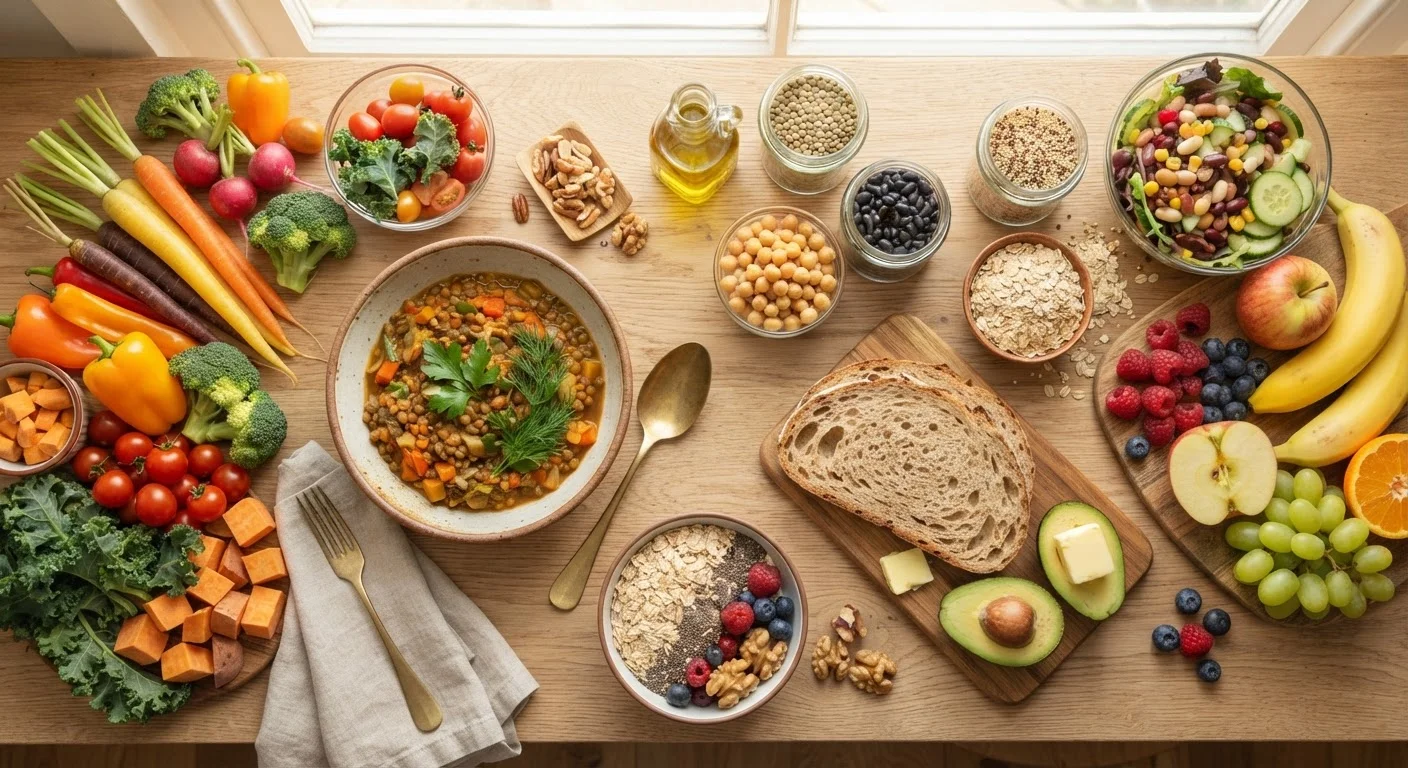
Photo credit: SearchLynk.net | Search Made Easier
In this article
What fiber actually does in your body, why most Americans fall short, and which everyday foods are the richest sources.
Key Takeaways
- Most Americans consume roughly half the daily fiber amount that health guidelines recommend.
- Fiber supports digestive health, blood sugar regulation, cholesterol levels, and a healthy gut microbiome.
- Both types of fiber - soluble and insoluble - serve distinct but complementary roles in the body.
- Whole grains, legumes, vegetables, and fruits are among the richest and most affordable fiber sources.
- Increasing fiber intake gradually, with adequate water, helps avoid digestive discomfort.
Why Fiber Matters More Than Most People Realize
Fiber rarely gets the spotlight that protein or vitamins do, but the evidence behind it is substantial. Research consistently links adequate fiber intake to a lower risk of type 2 diabetes, cardiovascular disease, and colorectal cancer - three of the most prevalent chronic conditions in the United States. It also plays a central role in digestive health and the maintenance of a diverse gut microbiome, which scientists are increasingly linking to overall health outcomes.
Despite these well-established benefits, national nutrition surveys consistently show that most Americans consume only around 15 grams of fiber per day - roughly half of what federal dietary guidelines recommend. This gap is sometimes called the "fiber gap," and it largely reflects a diet heavy in processed and refined foods, which strip out most of the naturally occurring fiber.
~15g
Average daily fiber intake for Americans
National nutrition surveys consistently show Americans consume roughly 15 grams of fiber per day, well below federal dietary guidelines.
25-38g
Recommended daily fiber for adults
The Dietary Guidelines for Americans recommend 25 grams per day for women and 38 grams per day for men, varying by age and caloric needs.
~95%
Americans not meeting fiber guidelines
Public health researchers estimate that the vast majority of Americans fall short of recommended fiber intakes, making it one of the most widespread nutritional gaps.
Understanding what fiber actually does - and where to find it - is a straightforward way to meaningfully improve your diet without overhauling everything at once. For broader context on how fiber fits alongside other nutrients, see our guide to macronutrients and micronutrients.
Soluble vs. Insoluble Fiber: Two Types, Complementary Benefits
The two main categories of dietary fiber work differently in the body, and both matter.
Soluble fiber dissolves in water to form a viscous, gel-like substance in the digestive tract. This slows the movement of food through the gut, which moderates blood sugar spikes after meals and reduces the reabsorption of cholesterol into the bloodstream. Oats, barley, apples, citrus fruits, beans, and flaxseed are particularly rich in soluble fiber.
Insoluble fiber does not dissolve in water. It adds bulk to stool and speeds up its passage through the colon, which supports regular bowel movements and reduces the risk of constipation. Whole wheat products, bran, most vegetables, and the skins of many fruits are good sources.
Most whole plant foods contain a mixture of both types, so eating a varied diet naturally delivers both. You don't need to track fiber type separately - focusing on diverse, minimally processed plant foods takes care of it.
Build Up Fiber Gradually
If your current diet is low in fiber, avoid jumping to high amounts all at once. Increasing fiber too quickly can lead to temporary bloating, gas, or cramping. Aim to add one or two fiber-rich foods per week and drink plenty of water throughout the day to support comfortable digestion.
The Best Food Sources of Dietary Fiber
Fiber is only found in plant foods. Animal products - meat, dairy, eggs, fish - contain none. Among plant foods, the richest sources include:
- Legumes: Lentils, black beans, chickpeas, and kidney beans each contain roughly 13-16 grams of fiber per cooked cup, making them among the most fiber-dense foods available.
- Whole grains: Oats, barley, bulgur, and whole wheat bread provide substantially more fiber than their refined counterparts. A cup of cooked oats contains about 4 grams of fiber.
- Vegetables: Broccoli, Brussels sprouts, artichokes, and sweet potatoes are particularly fiber-rich. Most non-starchy vegetables contribute 2-5 grams per serving.
- Fruits: Raspberries, pears, apples (with skin), and bananas are standout sources. A single medium pear provides around 5-6 grams.
- Nuts and seeds: Chia seeds, almonds, and sunflower seeds offer modest but meaningful amounts alongside healthy fats and protein.
Many of these foods are also economical choices. Our article on eating well on a budget explores how to build a nutritious diet - including fiber-rich staples - without overspending.
Reading Labels and Building Fiber Into Your Day
Packaged foods are required to list dietary fiber on the Nutrition Facts label, which makes it easy to compare options. As a general guide, a food with 3 or more grams of fiber per serving is considered a good source; 5 or more grams qualifies as an excellent source. Our article on what the Nutrition Facts label is actually telling you walks through how to read these figures in context.
When increasing fiber intake, a gradual approach works best. Adding large amounts of fiber quickly - especially from supplements rather than whole foods - can cause bloating and gas as your gut adjusts. Drinking adequate water alongside fiber-rich foods also helps the fiber move through your digestive system comfortably.
Small, consistent shifts add up: swapping refined grains for whole grain versions, adding a serving of beans to soups or salads, or choosing fruit over processed snacks can meaningfully close the fiber gap over time.
This article is for general informational and educational purposes only and is not a substitute for personalized medical or nutritional advice. Consult a qualified healthcare professional for guidance specific to your health needs.
Frequently Asked Questions

Author
Health & Wellness Editorial Team
Health & Wellness Editorial Team is the collective byline for our editorial team and contributor network. Articles published under this byline or an editorial pen name are researched, written, and reviewed according to our editorial standards for clarity, consistency, and independence before publication.
View all articles →