
Plant-Based Eating vs. Traditional Omnivore Diets: A Nutritional Comparison
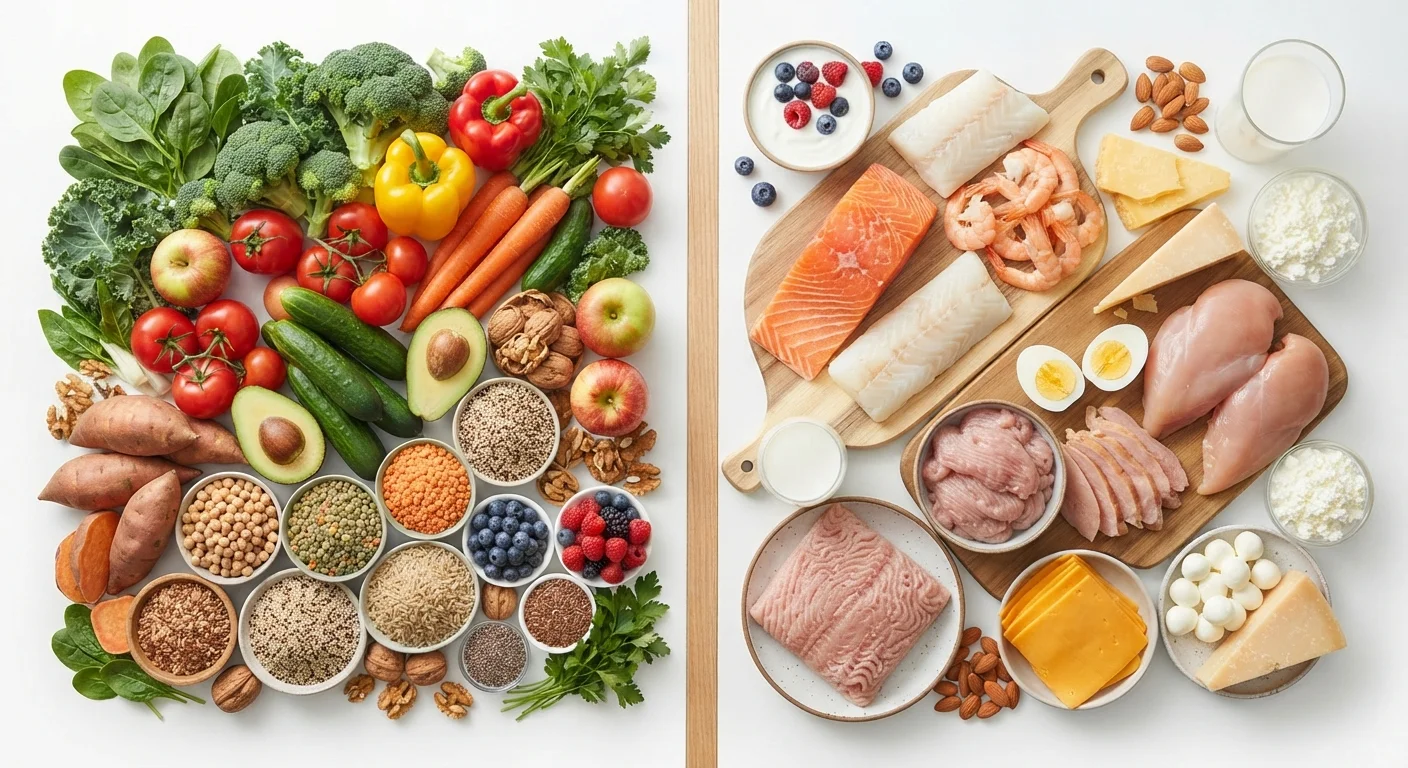
Photo credit: SearchLynk.net | Search Made Easier
In this article
A side-by-side look at the nutritional profiles, potential gaps, and practical trade-offs of plant-based and omnivore eating patterns.
Key Takeaways
- Plant-based diets tend to be higher in fiber and certain antioxidants, while omnivore diets provide more readily absorbed iron, zinc, and vitamin B12.
- Neither diet is universally superior - both can be nutritionally adequate with thoughtful planning.
- Plant-based eaters face a higher risk of specific nutrient gaps, particularly B12, omega-3s, and calcium.
- Omnivore diets carry potential concerns around saturated fat and processed meat intake if not well-structured.
- Consulting a registered dietitian can help tailor any eating pattern to your individual health needs.
What Each Eating Pattern Actually Includes
The term plant-based diet encompasses a wide spectrum - from fully vegan (no animal products whatsoever) to more flexible approaches that center plants but occasionally include fish, dairy, or eggs. What unites them is an emphasis on vegetables, fruits, whole grains, legumes, nuts, and seeds as the primary calorie sources.
A traditional omnivore diet, by contrast, draws from both animal and plant kingdoms without systematic exclusion. In practice, the American omnivore diet often includes meat, poultry, fish, dairy, eggs, and a variable - sometimes limited - amount of plant foods. Quality and composition vary enormously from person to person.
This distinction matters because when researchers compare these two patterns, they are often comparing a well-structured plant-based diet against an average omnivore diet, which can skew conclusions in either direction. Both patterns carry meaningful variation.
Nutritional Strengths and Potential Gaps
Plant-based diets consistently deliver higher intakes of dietary fiber, folate, magnesium, potassium, and a range of phytonutrients - plant compounds associated with reduced inflammation and chronic disease risk in observational research. Fiber alone supports gut health, blood sugar regulation, and cardiovascular markers.
However, several nutrients are either absent or poorly absorbed from plant sources alone:
- Vitamin B12: Found almost exclusively in animal products; plant-based eaters almost universally need supplementation or fortified foods.
- Iron and Zinc: Present in legumes and grains, but as non-heme iron and in forms bound to phytates, which reduce absorption compared to animal sources.
- Long-chain omega-3s (EPA and DHA): Fatty fish is a direct source; plant foods provide ALA, which the body converts inefficiently.
- Calcium and Vitamin D: Achievable on a plant-based diet through fortified foods and leafy greens, but require deliberate attention.
Omnivore diets supply these nutrients more reliably but introduce their own concerns. Diets high in processed red meat and saturated fat are linked in population studies to elevated cardiovascular risk. The nutrient density of an omnivore diet depends heavily on food choices. Exploring how different protein sources compare on completeness and digestibility can help both plant-based and omnivore eaters make smarter daily choices.
| Plant-Based Diet | Omnivore Diet | |
|---|---|---|
| Dietary Fiber | Typically high | Variable; often lower |
| Vitamin B12 | Requires supplementation | Readily available from food |
| Iron Availability | Non-heme; lower absorption | Heme iron; higher absorption |
| Omega-3 Fatty Acids (EPA/DHA) | Limited; ALA conversion inefficient | Direct from fatty fish |
| Saturated Fat Exposure | Generally lower | Higher if red/processed meat heavy |
| Phytonutrient Intake | Typically high | Depends on vegetable intake |
| Supplementation Needed | B12 at minimum; often D, omega-3 | Rarely required for most |
| Planning Complexity | Higher; gaps require attention | Lower for most nutrients |
Practical Considerations: Cost, Accessibility, and Planning
Cost is a real factor. Whole plant foods - dried beans, lentils, oats, cabbage, frozen vegetables - are among the most affordable foods per serving available. A well-planned plant-based diet can be genuinely economical. Our guide to eating nutritiously on a budget covers pantry strategies that apply to both eating patterns.
On the other hand, specialty plant-based products (meat alternatives, dairy-free cheeses, protein powders) often carry a significant price premium and are frequently ultra-processed - meaning the health rationale for choosing them over whole foods is less clear.
Omnivore diets can also be cost-effective when centered on eggs, canned fish, and legumes rather than premium cuts of meat. The practical advantage of omnivore eating is flexibility: fewer nutrients require active supplementation, and social eating in restaurants or others' homes is typically easier to navigate.
A Hybrid Approach Is a Valid Option
You don't have to choose between fully plant-based and traditional omnivore eating. Many nutrition researchers highlight 'flexitarian' or predominantly plant-based patterns that include small amounts of animal products as a practical middle ground. This approach can reduce the risk of specific nutrient gaps while preserving the benefits of high plant-food intake. Focus on whole foods in either direction rather than the label you apply to your diet.
Nutrient needs also shift across life stages. Dietary needs change as you age, and both plant-based and omnivore eaters should periodically reassess whether their eating pattern is keeping up with those shifts.
What the Evidence Broadly Suggests
Large-scale observational studies - including data from the Adventist Health Studies and EPIC-Oxford cohort - generally show that well-planned plant-based diets are associated with lower rates of type 2 diabetes, hypertension, and certain cancers compared to average omnivore diets. Cardiovascular benefits appear in multiple analyses as well.
Importantly, these associations do not prove that eliminating animal products causes better health outcomes. Confounding factors - such as plant-based eaters generally having healthier lifestyle habits overall - are difficult to fully separate from dietary effects alone. Randomized controlled trials on long-term dietary patterns are rare and logistically challenging.
What emerges clearly from the evidence is that diet quality matters more than a simple label. A plant-based diet built on refined carbohydrates and processed snacks, or an omnivore diet built on processed meats and minimal vegetables, will both underperform nutritionally. Reading food labels critically is a foundational skill for either path - see our guide to reading ingredient lists for help navigating the grocery store.
This article is for general informational and educational purposes only and is not a substitute for personalized medical or nutritional advice. Speak with a qualified healthcare professional or registered dietitian before making significant changes to your diet, especially if you have an existing health condition.

Author
Health & Wellness Editorial Team
Health & Wellness Editorial Team is the collective byline for our editorial team and contributor network. Articles published under this byline or an editorial pen name are researched, written, and reviewed according to our editorial standards for clarity, consistency, and independence before publication.
View all articles →