
Wireless Plan Jargon, Decoded
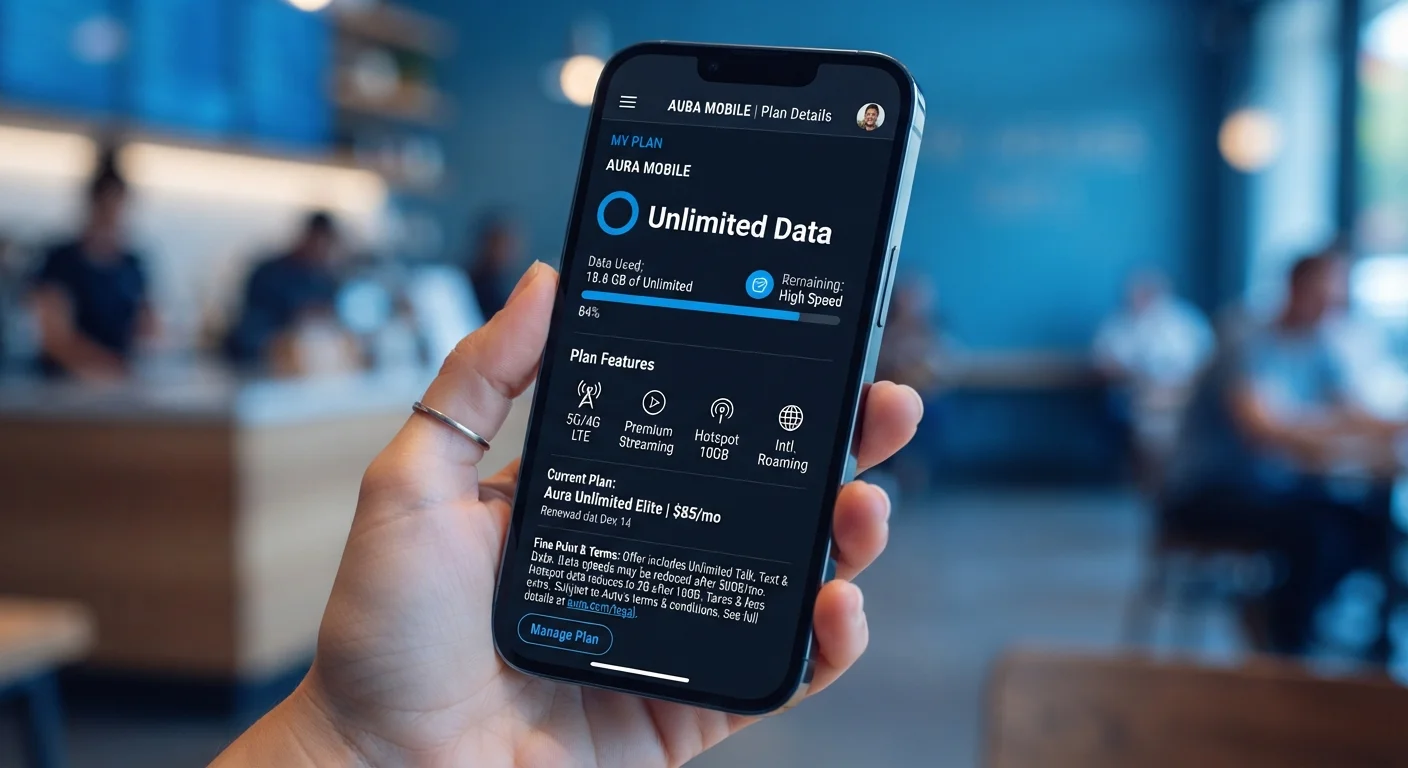
Photo credit: SearchLynk.net | Search Made Easier
In this article
From deprioritization to hotspot data, this plain-language glossary explains the terms carriers use so you can read any plan with confidence.
Why Carrier Language Feels Confusing
Wireless plan descriptions are written to sell, not to inform. Phrases like "unlimited" appear prominently while qualifiers - deprioritization thresholds, hotspot caps, and autopay requirements - are buried in footnotes. The result is that many people sign up for a plan they don't fully understand and only discover the fine print when speeds slow unexpectedly or a bill is higher than expected.
This glossary gives you a working definition of every term you're likely to encounter. Whether you're comparing plans for the first time or auditing your current bill, these definitions will help you read any plan with confidence. For a broader orientation to how the wireless market is structured, see Phone Plans Explained: A Beginner's Map to the Wireless Market.
| Deprioritization threshold (common range) | 22 GB - 100 GB per month (Varies by carrier and plan tier) |
| Typical hotspot speed after cap | 3G speeds (600 Kbps) (Common carrier practice; varies by plan) |
| Standard carrier unlock wait period | 60 days (postpaid, common minimum) (FCC voluntary commitments; carrier policies differ) |
| Autopay discount (common range) | $5-$10 per line/month (Representative of major U.S. carriers) |
| Number of major U.S. physical networks | 3 (AT&T, T-Mobile, and Verizon own the primary infrastructure) |
Core Terms: Data, Speed, and Limits
Understanding how carriers define and manage data is the foundation of reading any plan clearly.
Deprioritization and throttling are the two most commonly misunderstood terms on unlimited plans. The difference matters: deprioritization is situational (high-traffic towers, busy times), while throttling is a fixed, persistent reduction. A plan that throttles hotspot data after 15 GB will do so regardless of whether the network is congested. Data Speeds Explained: 4G LTE, 5G Sub-6, and mmWave covers how network technology affects the real-world speeds you experience day to day.
Plan Structure and Pricing Terms
Carriers use a consistent set of structural terms to describe how a plan is priced, billed, and contracted. Knowing these helps you evaluate the true monthly cost and flexibility of any option.
Advertised Price vs. What You'll Actually Pay
Carriers frequently advertise per-line prices that require autopay enrollment, paperless billing, and a minimum number of lines on the account. A plan listed at one price for a four-line family may cost considerably more for a single line without autopay. Always check the fine print for conditions attached to the advertised rate before comparing plans.
The postpaid vs. prepaid distinction shapes more than just billing timing - it affects network priority on shared infrastructure, device financing options, and what happens if you miss a payment. MVNOs are almost always prepaid and, because they lease network access, typically sit at a lower priority tier than the host carrier's own customers. This doesn't mean MVNO service is poor - in many areas and for many use cases, the difference is imperceptible - but it's worth understanding before you choose. For more on how fees and surcharges affect your actual monthly spend, see Things Worth Checking on Your Current Wireless Bill.
When you're ready to apply these terms to a real plan decision, Reading a Phone Plan the Right Way walks through each line item in a typical plan disclosure step by step.

Author
Tech & Telecom Editorial Team
Tech & Telecom Editorial Team is the collective byline for our editorial team and contributor network. Articles published under this byline or an editorial pen name are researched, written, and reviewed according to our editorial standards for clarity, consistency, and independence before publication.
View all articles →