
Why Last-Minute Planning Often Costs More Than Just Money
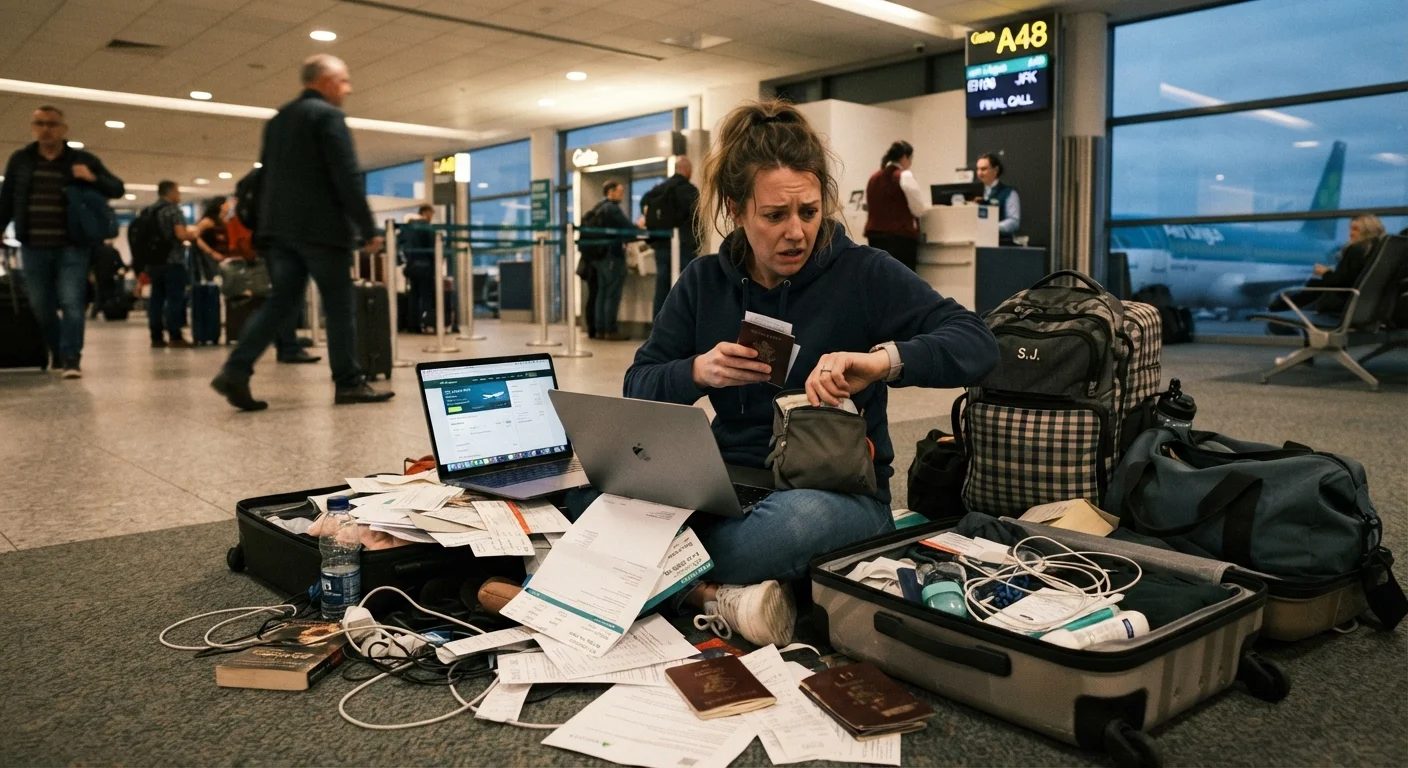
Photo credit: SearchLynk.net | Search Made Easier
In this article
Rushed trip planning leads to missed details, higher stress, and avoidable expenses. Here's what tends to go wrong and when to start instead.
Key Takeaways
- Last-minute trip planning consistently leads to higher prices on flights, accommodations, and tours.
- Rushed decisions increase the likelihood of overlooking entry requirements, health prep, and travel insurance.
- Starting the planning process 6-12 weeks out gives you meaningful choices and room to compare options.
- Stress from disorganized planning can undermine the trip itself, not just the preparation for it.
- A structured checklist and booking timeline are the most effective tools against last-minute chaos.
The Real Cost of Waiting Too Long
Most travelers know that booking late means paying more for flights. But the financial hit is only part of the story. Last-minute planning compresses every decision - which accommodation, which activities, which insurance plan - into a narrow window where options are limited and judgment is rushed. The result is a trip built on compromises that weren't intentional.
Prices for flights and hotels typically rise as departure dates approach, particularly for popular routes and peak seasons. Beyond cost, availability shrinks. Tours sell out, preferred room types disappear, and dining reservations at sought-after spots close weeks in advance. When planning starts late, you're no longer choosing what you want - you're taking what's left.
There's also a psychological cost that's easy to underestimate. The stress of scrambling through bookings, worrying about missing something critical, and arriving without a clear plan follows travelers onto the trip itself. Research in tourism and hospitality consistently suggests that pre-trip stress can reduce overall satisfaction with travel, even when the destination itself is enjoyable. For readers interested in how urgency triggers poor financial decisions more broadly, understanding urgency and overspending is worth a read.
6-12 weeks
Recommended domestic trip planning lead time
Travel planning guides and hospitality researchers generally recommend starting domestic trip planning at least 6 weeks out to secure reasonable prices and availability.
3-6 months
Recommended international planning lead time
For trips involving visas, vaccinations, or multi-stop international itineraries, a 3-6 month head start allows time to meet all entry and logistics requirements.
Mistakes That Compound When Time Is Short
Last-minute planning doesn't just cause one problem - it creates a chain of them. Each skipped step increases the pressure on every step that follows. Below are the most common mistakes travelers make when they run out of planning time, and what you can do instead.
Booking flights and accommodation within days of departure, leaving almost no alternatives.
Why it happens: Life gets busy, and many travelers assume they can sort the details closer to the date without major consequences.
Skipping travel insurance because there's no time left to research and compare plans.
Why it happens: Insurance feels like an optional add-on when you're rushing through a booking, so it gets dropped to save time.
Overlooking visa requirements, entry rules, or vaccination documentation until it's too late to act.
Why it happens: Entry requirements feel abstract until they become urgent, and many travelers assume their passport alone is sufficient.
Failing to budget accurately because there's no time to research real costs.
Why it happens: Rushed planners often rely on rough estimates or outdated information rather than verified current prices.
Creating an overloaded itinerary because there's no time to think through pacing.
Why it happens: When planning is compressed, travelers try to compensate by cramming in everything at once, fearing they'll miss out.
Once you've addressed these common missteps, a structured pre-departure review can help ensure nothing critical slips through. Our trip planning pre-departure checklist covers documents, reservations, health prep, and home logistics in one place.
Entry Requirements Can Disqualify You at the Border
Some countries require visas that take weeks or months to process. Others mandate proof of specific vaccinations or travel insurance as a condition of entry. These are not formalities - travelers have been turned away at borders or airports for missing documentation. Always verify entry requirements through official government sources well before your departure date, and allow time to meet them fully.
When to Start - and How to Stay on Track
There's no single rule for when to begin planning a trip, but general benchmarks help. For domestic travel, starting 6 to 12 weeks out gives you enough time to compare options, lock in reasonable prices, and build a realistic budget. For international trips - especially those involving visas, vaccinations, or complex logistics - 3 to 6 months is more appropriate.
Breaking planning into phases reduces the feeling of overwhelm. A first pass might cover destination research and rough budget. A second pass handles bookings. A third addresses documents, insurance, and on-the-ground logistics. For a full walkthrough of how these pieces connect, see the anatomy of a well-planned trip.
Practical tools - a shared spreadsheet, a notes app, or even a printed checklist - matter less than the habit of returning to your plan regularly. Set calendar reminders tied to booking windows, and treat planning sessions as fixed appointments. The goal isn't perfection; it's giving yourself enough time that every decision feels deliberate rather than desperate. For broader tips on managing travel logistics efficiently, the Travel Tips hub is a useful ongoing resource.
Don't Rely on 'Last-Minute Deal' Assumptions
The idea that waiting produces better travel deals is largely a myth for most popular routes and destinations. While very last-minute discounts do occasionally appear for unsold inventory, they are unpredictable and typically come with significant restrictions - inconvenient dates, limited choices, or non-refundable terms. Planning ahead almost always offers more value and more control than gambling on a deal that may not materialize.

Author
Travel & Trips Editorial Team
Travel & Trips Editorial Team is the collective byline for our editorial team and contributor network. Articles published under this byline or an editorial pen name are researched, written, and reviewed according to our editorial standards for clarity, consistency, and independence before publication.
View all articles →