
Shopping Safely on Social Media Marketplaces
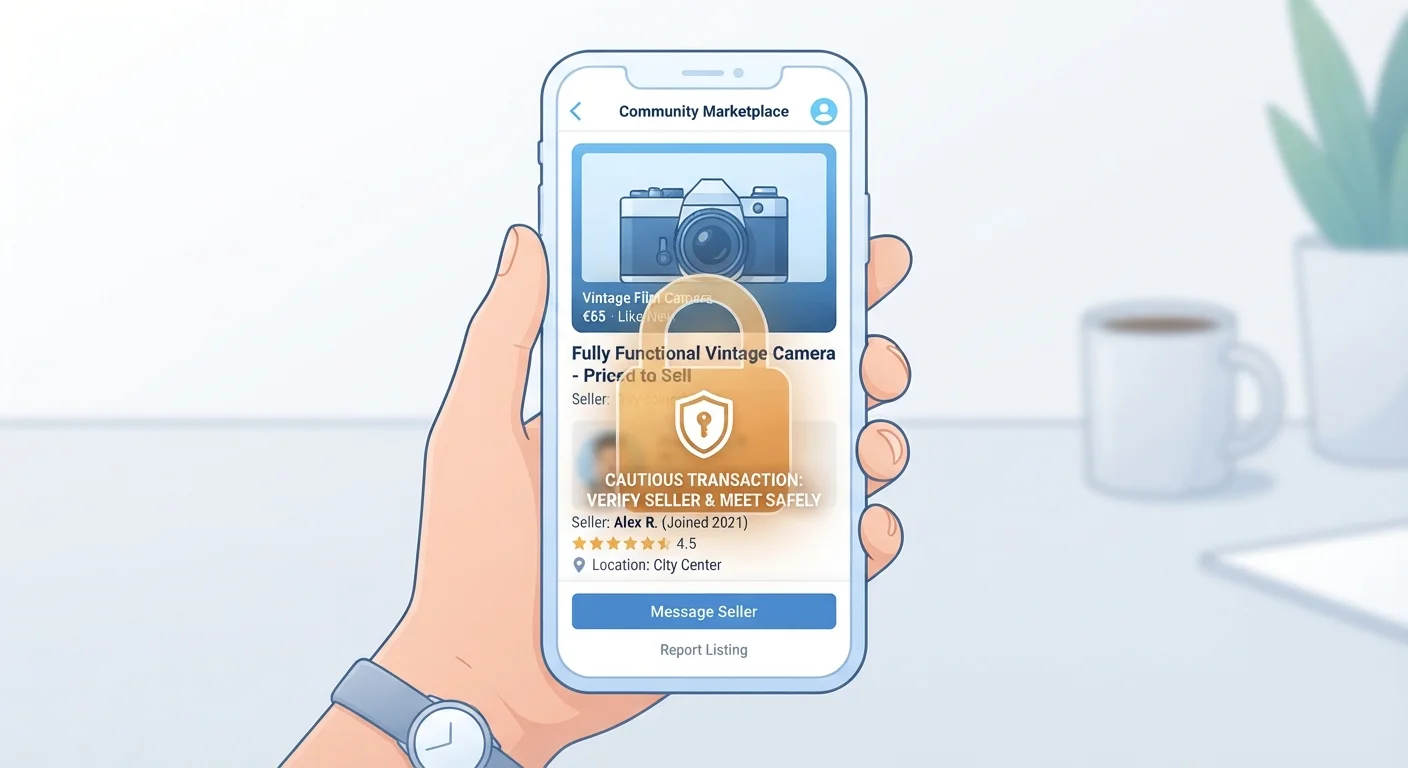
Photo credit: SearchLynk.net | Search Made Easier
In this article
Social platforms are full of peer-to-peer listings and pop-up shops. Here's how to evaluate sellers and avoid common traps on these channels.
Key Takeaways
- Social media marketplace sellers face little vetting, so buyer due diligence is essential.
- Pressure to pay outside the platform's checkout is one of the clearest fraud signals.
- Reverse image searching a listing's photos can reveal stolen or recycled content quickly.
- Always confirm return and dispute options before completing a purchase on any social channel.
- Reporting suspicious listings protects other buyers and may help you recover funds faster.
Why Social Marketplaces Carry Unique Risks
Peer-to-peer listings on social platforms - from buy-sell-trade groups to in-app shops - have made it easier than ever to find secondhand goods and small-batch products. But that convenience comes with a tradeoff: unlike established e-commerce retailers, most social marketplaces do minimal identity verification on sellers and apply limited pre-purchase oversight.
The result is an environment where fraudulent listings can appear alongside legitimate ones with almost no visible difference. Understanding that gap is the first step toward shopping more safely. Our guide to common online shopping safety myths explains why a familiar platform name alone is never a guarantee of protection.
What you will need
Step-by-Step: Evaluating a Seller Before You Buy
The steps below apply whether you're browsing a neighborhood resale group or a brand's pop-up storefront embedded in a social feed. Work through them in order - each one narrows your exposure before money changes hands.
Examine the Seller's Account History
Open the seller's profile and look for account age, posting history, and prior transaction reviews. A newly created account with no history selling a high-value item at an attractive price is a pattern consistently associated with fraud. Look for reviews that mention successful completed transactions - not just comments praising the item in the listing itself.
Reverse Image Search the Listing Photos
Right-click or long-press any listing photo and run a reverse image search. If the same image appears on unrelated sites, stock photo libraries, or other marketplace listings under a different seller name, the photos were almost certainly not taken by the person selling the item. This is one of the most reliable indicators of a fraudulent or misrepresented listing. Our deeper guide on red flags hidden in plain sight on product listings covers additional visual warning signs.
Ask Specific, Verifiable Questions
Contact the seller with questions that require firsthand knowledge: the item's dimensions, a specific visible detail in a photo, or what's included in the box. Fraudulent sellers often copy listing descriptions from other sources and cannot answer specific questions accurately. Vague, deflecting, or copy-pasted responses are meaningful signals.
Confirm Payment and Dispute Options
Before agreeing to purchase, confirm which payment methods the seller accepts. Payments made through the platform's integrated checkout (where it exists) typically carry the strongest buyer protections. Requests to pay via wire transfer, gift cards, cryptocurrency, or peer-to-peer apps like Zelle - especially from a stranger - offer little to no recourse if something goes wrong. Decline and walk away if a seller insists on off-platform payment.
Check the Platform's Buyer Protection Policy
Each social platform has different rules about what purchases are covered and what the dispute process looks like. Before completing a transaction, locate the platform's help documentation for buyer protection or purchase protection. Understand the claim window - some platforms allow as few as 30 days from purchase to file a dispute. Purchases made outside official checkout flows are almost universally excluded from protection.
Meet Locally with Appropriate Precautions (If Applicable)
For local pickup transactions, choose a public, well-lit location for the exchange - many police departments designate a safe exchange zone in their parking lots for exactly this purpose. Inspect the item fully before handing over payment. Bring a companion if possible, and avoid sharing your home address with a stranger before trust is established.
Cross-Check Prices Against Known Retail
If a listing price seems dramatically lower than what the item typically sells for, that gap deserves scrutiny rather than celebration. Use a price history tool or search the item on established retail sites to establish a realistic market value. Our overview of price tracking tools explains how to do this efficiently. Deals that look too good to be true frequently are.
What to Do If Something Goes Wrong
Even careful shoppers occasionally get burned. If you paid through the platform's official checkout, initiate a dispute immediately through that system - most platforms have a limited window for buyer claims. If you paid by credit card, contact your card issuer to explore a chargeback; debit card and bank transfer payments offer significantly weaker recovery options.
Report the listing to the platform regardless of outcome. Documented reports can freeze a fraudulent account and protect other buyers. You can also file a complaint with the FTC at reportfraud.ftc.gov, which feeds into a database used by law enforcement agencies.
For broader context on how resale fraud is structured, see our article on auction and resale fraud. And before your next purchase anywhere online, the checklist in things worth confirming before you buy something online is worth bookmarking.

Author
Shopping Editorial Team
Shopping Editorial Team is the collective byline for our editorial team and contributor network. Articles published under this byline or an editorial pen name are researched, written, and reviewed according to our editorial standards for clarity, consistency, and independence before publication.
View all articles →