
Too Good to Be True: Why Deeply Discounted Products Often Aren't Real
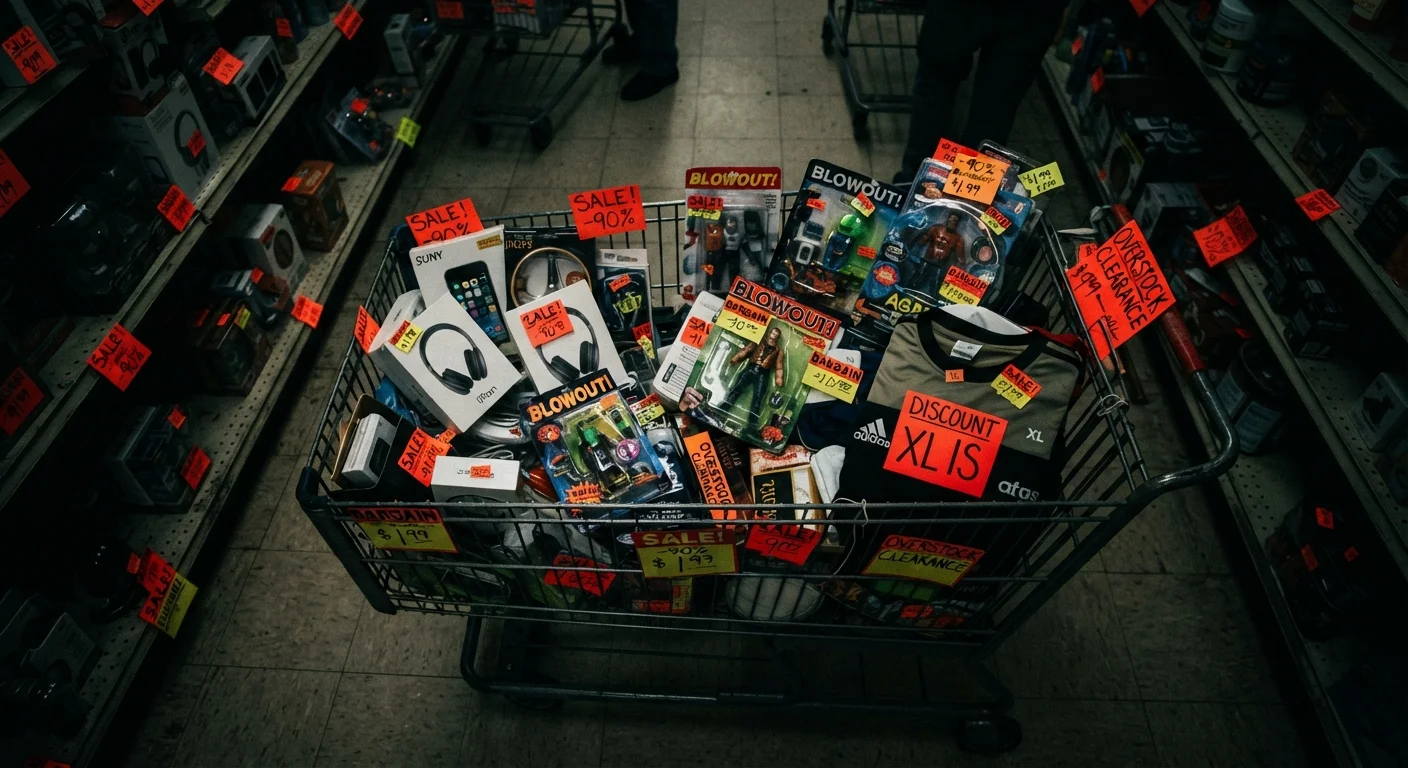
Photo credit: SearchLynk.net | Search Made Easier
In this article
Explore why extreme price cuts are a classic fraud signal, how counterfeit goods get passed off as deals, and what realistic discounts actually look like.
Key Takeaways
- Extreme discounts - often 70% or more below market price - are a well-documented fraud signal, not a lucky find.
- Counterfeit products are frequently sold through fake storefronts, marketplace third-party listings, and social media ads.
- Legitimate retailers rarely discount in-demand products by more than 20-40%, even during major sale events.
- Checking a seller's history, return policy, and contact information can reveal fraud before you pay.
- Paying with a credit card provides stronger dispute and chargeback protection than debit or wire transfers.
Why Extreme Discounts Work as a Fraud Tool
A price slashed by 80% creates a powerful psychological response. Consumers are wired to perceive dramatic discounts as opportunities - a chance to beat the system and get something valuable for almost nothing. Fraudsters understand this response and engineer their schemes around it. The steep discount is not evidence of a generous seller; it is the mechanism that disables a buyer's critical thinking.
This is why shopping scams are structured the way they are. The price does the persuasion. Once a consumer is convinced they've found a rare deal, they are less likely to scrutinize the seller's credentials, verify the product's authenticity, or question why such a price exists in the first place.
Legitimate supply chains have real costs - manufacturing, shipping, warehousing, and retailer margin. A product cannot sustainably sell at 80% below its established market price unless something is wrong: the product is counterfeit, the seller intends to deliver nothing, or the item is materially misrepresented.
$3.1B
Estimated value of counterfeit goods seized at U.S. borders in a recent year
According to U.S. Customs and Border Protection data, counterfeit and pirated goods represent a substantial ongoing enforcement challenge at ports of entry.
Top category
Online shopping ranked among top fraud loss categories
The FTC's Consumer Sentinel Network consistently identifies online shopping as one of the leading categories for reported fraud losses by American consumers.
2-3×
Typical markup ratio used to inflate 'original' reference prices
Consumer research and regulatory investigations have documented that advertised 'compare at' prices are frequently set at multiples of the actual selling price, creating an illusion of savings.
How Counterfeit Goods Get Passed Off as Deals
Counterfeit products occupy a central role in fraudulent discount schemes. A seller acquires cheap imitations - often manufactured with inferior materials and no safety testing - and lists them using authentic product images, brand names, and fabricated specifications. The low price is rationalized to the buyer as a warehouse overstock, factory surplus, or exclusive online promotion.
These listings appear across social media ads, unfamiliar e-commerce sites, and even third-party marketplace listings on established platforms. The difference between counterfeit and genuine products is often invisible until the item arrives - or doesn't. By then, the seller may be unreachable, the site may have disappeared, and dispute windows may be closing.
Electronics, luxury accessories, health and beauty products, and children's toys are among the most counterfeited categories. These items carry particular risks beyond financial loss: counterfeit electronics can fail dangerously, and counterfeit health products may contain unlisted or harmful ingredients.
What Realistic Discounts Actually Look Like
Understanding what genuine discounts look like is as important as recognizing fraudulent ones. Legitimate retailers typically discount products within predictable ranges tied to inventory cycles, seasonal demand, and competitive pressure. A 20-40% discount on a mid-range appliance during a holiday sale is plausible. A 75% discount on a name-brand item from an unfamiliar seller with no reviews is not.
Reference pricing - the "was $200, now $49" format - deserves particular scrutiny. The FTC has long-standing guidance that advertised "original" or "compare at" prices must represent genuine prior selling prices, not inflated figures manufactured to make a deal look bigger. The real story behind sale prices reveals how this tactic is routinely used even by mainstream sellers.
Use a Price Baseline Before You Buy
Search the exact product name and model number across at least three established retailers before purchasing any deeply discounted item. This gives you a realistic market price to compare against. If the deal price is more than 50% below every other listing, that gap itself is your most important data point.
Before purchasing any discounted item, search the product name and model number across several established retailers to establish its actual market price. That baseline comparison is the most reliable tool a consumer has.
How to Evaluate a Seller Before You Buy
The discount is only one dimension of risk. The seller behind it matters equally. Fraudulent storefronts often share recognizable patterns: recently registered domains, no verifiable business address, generic contact forms with no phone number, and return policies that are vague or absent entirely. The signs of a fraudulent online shop are learnable and consistently present across schemes.
Listing quality is another indicator. Red flags in product listings include stock photography that appears on multiple unrelated sites, descriptions that don't match the product category, and specifications copied verbatim from legitimate brand pages. Reviews warrant scrutiny too - a cluster of five-star ratings posted within a short window, with no detail and similar phrasing, often indicates manufactured feedback. The limits of customer reviews are worth understanding before trusting a rating.
When in doubt, paying by credit card provides meaningful protection. Credit card issuers allow cardholders to dispute charges for goods not received or materially misrepresented - a protection that debit cards, wire transfers, and peer-to-peer payment apps typically don't match. This is a practical safeguard, not a guarantee of recovery, but it substantially improves your options if a purchase goes wrong.
This article is for general informational purposes only and does not constitute legal or financial advice. Readers with specific concerns about fraudulent transactions should consult their payment provider and relevant consumer protection authorities.
Frequently Asked Questions

Author
Shopping Editorial Team
Shopping Editorial Team is the collective byline for our editorial team and contributor network. Articles published under this byline or an editorial pen name are researched, written, and reviewed according to our editorial standards for clarity, consistency, and independence before publication.
View all articles →