
Secure Payment Methods vs. Untraceable Ones: What Your Choice Really Means
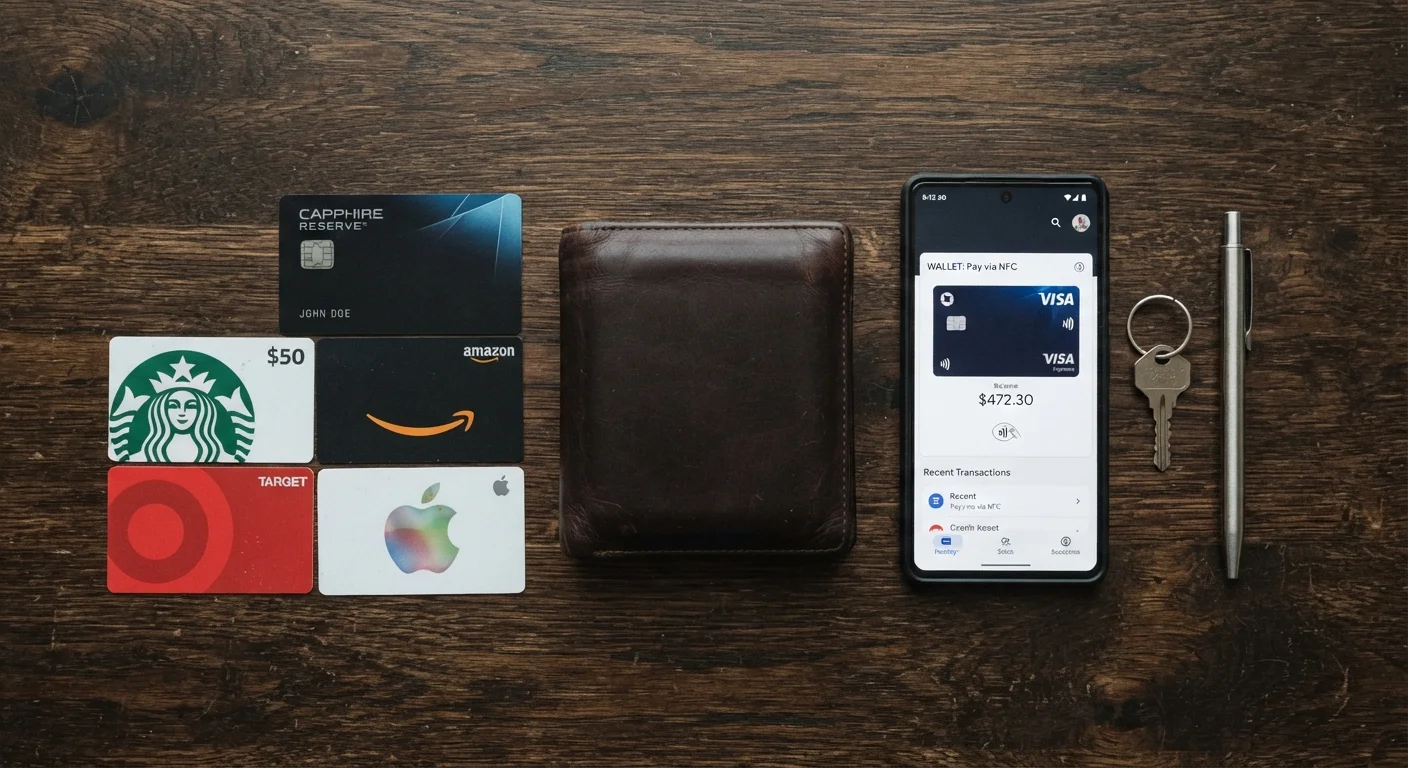
Photo credit: SearchLynk.net | Search Made Easier
In this article
Wire transfers, gift cards, and peer-to-peer apps offer scammers cover. Learn how different payment types compare when something goes wrong.
Key Takeaways
- Credit and debit cards offer the strongest consumer protections, including chargeback rights.
- Gift cards, wire transfers, and cryptocurrency are nearly impossible to reverse once sent.
- Peer-to-peer apps vary widely - payments to strangers typically carry little or no protection.
- Scammers specifically request untraceable payment methods to avoid accountability.
- Knowing your payment options before trouble strikes is one of the most effective fraud defenses.
Why Payment Method Choice Is a Safety Decision
Most shoppers think of payment methods as a matter of convenience. But when a transaction goes wrong - whether through fraud, a seller dispute, or an outright scam - the method you used determines what remedies are actually available to you. Some methods have built-in consumer protections backed by federal law. Others offer virtually none.
Scammers understand this better than most consumers do. That's why pressure to use a specific, unusual payment method is one of the clearest warning signs in any transaction. As explained in our guide to how shopping scams are structured, fraudsters engineer payment demands that cut off your ability to recover funds. Understanding the landscape before you pay is your first real line of defense.
How Major Payment Types Compare
Each payment method sits at a different point on the spectrum between full consumer protection and complete irreversibility. Here's how the most common options break down:
| Credit Card | Debit Card | P2P App | Gift Card | Wire Transfer | Cryptocurrency | |
|---|---|---|---|---|---|---|
| Dispute / chargeback rights | Strong (federal law) | Moderate (time-sensitive) | Limited / varies | None | None | None |
| Reversibility after fraud | Yes, via issuer | Partial, if reported quickly | Rarely, case-by-case | Virtually impossible | Rarely possible | Not possible |
| Scammer preference | Rarely requested | Sometimes requested | Common with strangers | Very common | Very common | Increasingly common |
| Consumer protection backing | FCBA + network rules | EFTA protections | Platform-dependent | None | None | None |
| Traceability | High | High | Moderate | Low | Moderate | Pseudonymous |
| Recommended for unknown sellers | Yes | Use with caution | No | No | No | No |
The key variable is recoverability - what happens after the money leaves your account. With a credit card, federal law (the Fair Credit Billing Act) gives you the right to dispute unauthorized charges and billing errors, and card networks offer additional chargeback protections. Debit cards carry narrower protections under the Electronic Fund Transfer Act, particularly if you delay reporting fraud.
Peer-to-peer apps like Venmo, Cash App, or Zelle function more like cash once a payment is sent to a stranger. Some platforms offer purchase protection for specific transaction types, but coverage varies significantly - always check the platform's terms before sending money to someone you don't know personally. Our article on shopping safely on social media marketplaces covers how to evaluate sellers in these contexts.
The Untraceable Payment Trap
Gift cards, wire transfers, and cryptocurrency share a critical characteristic: once sent, they are extraordinarily difficult or impossible to reverse. This is not a bug for scammers - it's the feature they're exploiting.
Never Pay Strangers With Gift Cards or Wire Transfers
No legitimate business, government agency, utility company, or employer will ever ask you to pay using gift card numbers read over the phone or sent via message. This request - in any context - is a recognized fraud indicator documented by the FTC and consumer protection agencies. If someone makes this demand, treat it as a scam regardless of how credible they initially seem.
Gift cards are particularly common in scam scenarios because they're widely available, anonymous, and accepted as "payment" in ways that make recovery nearly impossible. According to the Federal Trade Commission, gift cards are among the most-reported payment methods in consumer fraud losses. Wire transfers are similarly final - once a bank transfer clears, retrieving the funds depends almost entirely on whether the receiving institution cooperates voluntarily.
Cryptocurrency adds another layer of complexity: transactions are recorded on public ledgers but are pseudonymous, and there is no central authority to reverse a completed transaction. Sophisticated tracing tools exist, but their use is largely limited to law enforcement investigations, not everyday consumer recovery.
If you've already made a payment you suspect was fraudulent, disputing charges and filing reports quickly gives you the best chance of limiting damage - but speed matters far more with some methods than others.
What to Look For Before You Pay
A few practical principles help consumers avoid being steered toward high-risk payment methods:
- Legitimate sellers accept mainstream payment options. A seller who insists on gift cards, wire transfers, or cryptocurrency - especially when other methods are supposedly unavailable - is exhibiting a recognized scam behavior pattern.
- "Buyer protection" claims deserve scrutiny. Some fraudulent listings falsely claim platforms offer protection they don't. Many consumers hold mistaken beliefs about platform safety, a problem explored in our article on online shopping safety myths.
- Know your card's dispute process before you need it. Credit cardholders have stronger standing when disputes are filed promptly and with documentation. Our detailed resource on how chargebacks work explains the process step by step.
- Urgency is a manipulation tool. Pressure to pay immediately - before you can verify a seller or review a transaction - is designed to prevent careful decision-making.
Building consistent habits around payment choices is more protective than any single rule. Durable scam-awareness habits can reduce your exposure across every type of online transaction.

Author
Shopping Editorial Team
Shopping Editorial Team is the collective byline for our editorial team and contributor network. Articles published under this byline or an editorial pen name are researched, written, and reviewed according to our editorial standards for clarity, consistency, and independence before publication.
View all articles →