
Starting a Garden from Scratch: What Every First-Timer Should Know
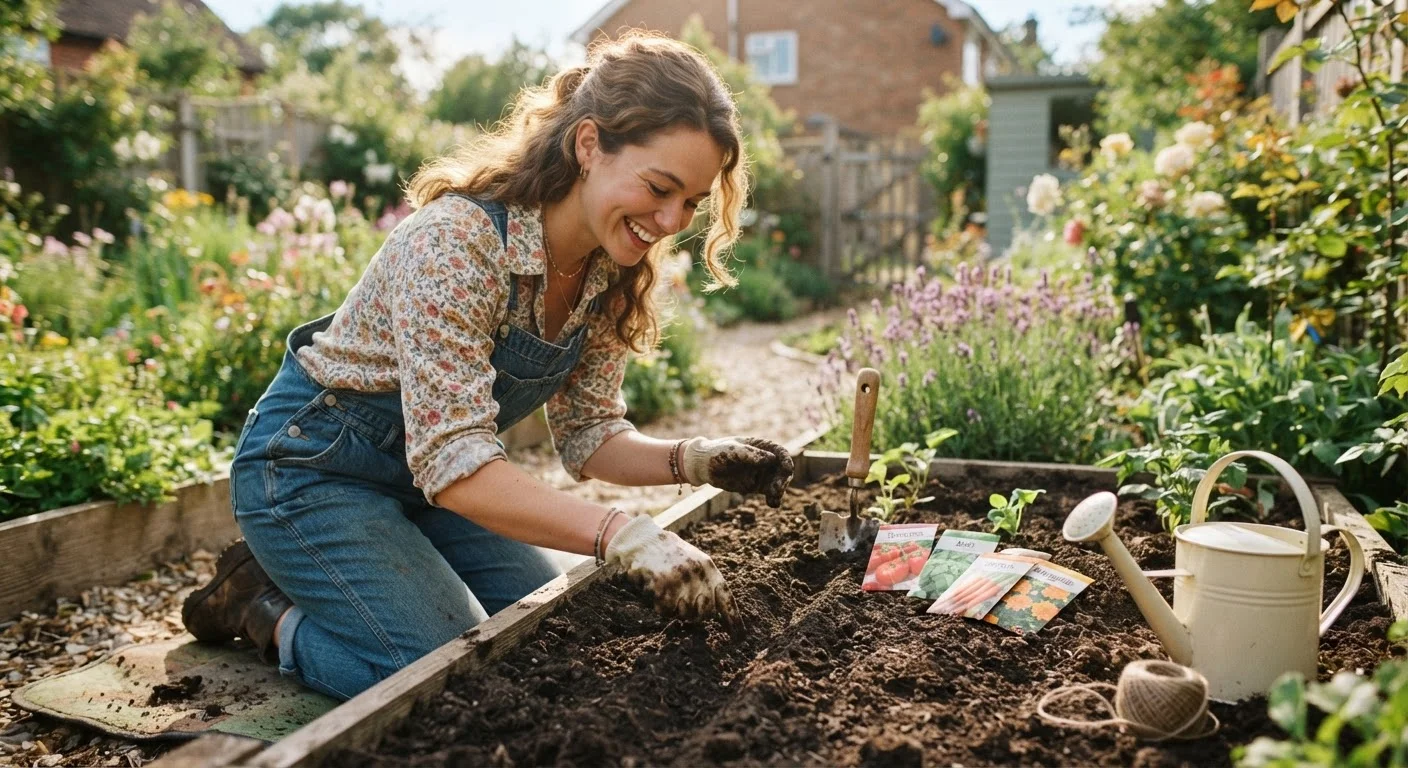
Photo credit: SearchLynk.net | Search Made Easier
In this article
A complete introduction to planning, prepping, and planting your first garden — from choosing a spot to your first harvest.
Key Takeaways
- Most vegetables need at least six hours of direct sunlight daily - location is the single most critical decision.
- Starting with a small, manageable plot prevents overwhelm and builds your confidence faster.
- Healthy soil is the foundation of a productive garden; test and amend before you plant.
- Beginner-friendly crops like zucchini, lettuce, and green beans reward new growers with reliable harvests.
- Consistent watering and early pest monitoring matter more than any single technique or product.
Choosing the Right Spot
Before you buy a single seed, walk your yard and observe how sunlight moves across it. Most vegetables and herbs require a minimum of six hours of direct sunlight each day - and eight is better for fruiting crops like tomatoes and peppers. A shady spot may suit ferns, but it will disappoint a food garden.
Proximity to water matters just as much. Placing your garden far from an outdoor spigot means hauling water by hand every time, which quickly becomes discouraging. Choose a location you can reach with a standard garden hose.
Also consider drainage. Flat or slightly raised ground that doesn't stay waterlogged after rain is ideal. Soggy soil starves roots of oxygen and invites disease. If your yard has limited open ground, don't rule out growing in containers - see our guide to container gardening for how to make small spaces productive.
Start Smaller Than You Think You Should
New gardeners routinely underestimate how much time and attention even a modest plot requires. A 4×4-foot or 4×8-foot bed is genuinely enough to produce a satisfying harvest in year one. You can always add more space next season once you know what to expect.
Understanding Your Soil
Soil is more than dirt - it's a living system that feeds your plants. Before adding anything to your garden, it helps to know what you're working with. Squeeze a handful of moist soil: if it crumbles apart easily, you have sandy soil that drains fast but doesn't hold nutrients well. If it forms a slick ribbon, it's clay-heavy and can become compacted and waterlogged. Ideal garden soil is loamy - it holds shape briefly, then breaks apart with light pressure.
Soil pH (a measure of acidity or alkalinity on a scale from 0 to 14) affects how well plants absorb nutrients. Most vegetables prefer a slightly acidic to neutral range of about 6.0 to 7.0. Inexpensive pH test kits are available at most garden centers, and many local cooperative extension services offer low-cost or free soil testing.
Our companion article on reading your soil before you plant anything goes deeper on interpreting results and choosing amendments. A common starting point is working finished compost into the top several inches of soil - it improves drainage in clay soils and moisture retention in sandy ones. For a simple way to produce compost at home, see our composting guide.
Soil pH
A measurement of how acidic or alkaline your soil is, rated on a scale from 0 to 14. Most vegetables grow best in soil that falls between 6.0 and 7.0.
Loamy soil
A balanced soil type that contains a mix of sand, silt, and clay. It drains well, holds moisture, and supports nutrient availability - considered ideal for most garden plants.
Last frost date
The estimated calendar date after which freezing temperatures are unlikely in your area. Warm-season crops should not be planted outdoors until after this date.
Compost
Decomposed organic matter - such as food scraps, leaves, and plant trimmings - that is added to soil to improve its structure, drainage, and nutrient content.
Direct sowing
Planting seeds directly into outdoor garden soil, rather than starting them indoors and transplanting later.
Cooperative extension
A network of university-based agricultural and gardening programs found in every US state that provides free or low-cost advice, soil testing, and plant guidance tailored to your local climate.
Deciding What to Grow
The most rewarding first gardens are shaped by two questions: What do you actually like to eat? And what grows reliably in your climate? Starting with crops you'll use motivates you to tend them; starting with crops suited to your conditions gives you a fighting chance at success.
For most US regions, a handful of vegetables consistently perform well for beginners: zucchini, green beans, radishes, leaf lettuce, and cherry tomatoes. These crops germinate reliably, produce quickly, and tolerate the inevitable small mistakes new gardeners make. Our article on surprisingly productive vegetables for beginners explains what makes each of these forgiving and worth planting.
Once you know what you want to grow, decide how you'll start: from seed directly sown into the ground, or from seedlings (young plants already started indoors or at a nursery). Each approach has trade-offs in cost, timing, and effort. Our seeds vs. seedlings guide walks through the decision clearly.
Planting and Early Care
When your soil is ready and your last frost date has passed for warm-season crops, it's time to plant. Follow the spacing recommendations on seed packets or plant labels - crowding plants restricts airflow and invites disease. For most first-time gardens, a 4×8-foot raised or in-ground bed provides enough room for a meaningful mix of crops without becoming unmanageable.
Water consistently after planting. Most vegetable gardens need roughly one inch of water per week. Deep, less frequent watering encourages roots to grow downward, making plants more resilient. Frequent shallow watering does the opposite. Our watering principles guide explains how to build reliable habits around this.
Check your plants every few days in the early weeks. Look at the undersides of leaves and at soil level for signs of pest activity. Catching problems early - before an infestation establishes - is far easier than managing one. The guide to common garden pests can help you identify what you're seeing by the damage patterns left behind.
Common Beginner Mistakes to Avoid
Starting too large is the most consistent source of first-year burnout. A small, well-tended plot will almost always outperform a large neglected one. Give yourself permission to start modest and expand in future seasons once you've learned your site.
Planting too deep is another common error. Most seeds have a recommended planting depth printed on the packet - following it matters. Seeds buried too deep often fail to germinate; seeds planted too shallow may dry out before sprouting.
Skipping a plan before planting leads to overcrowding and competition between plants. Use our garden planning checklist to organize your layout, soil prep, and planting schedule before you break ground.
Finally, don't expect perfection. Every gardener loses plants. Weather, pests, and timing all play unpredictable roles. The goal in year one is to learn your specific growing environment and build a repeatable process - the harvests get better from there.
Don't Skip Permits for Raised Beds Near Structures
If you plan to build a raised bed frame, install irrigation, or make any structural change close to your home's foundation or property line, check with your local municipality first. Some jurisdictions require permits or have setback rules. When in doubt, consult your local building or zoning office before you build.
Frequently Asked Questions

Author
Home & Garden Editorial Team
Home & Garden Editorial Team is the collective byline for our editorial team and contributor network. Articles published under this byline or an editorial pen name are researched, written, and reviewed according to our editorial standards for clarity, consistency, and independence before publication.
View all articles →