
Surprisingly Productive Vegetables for Beginners
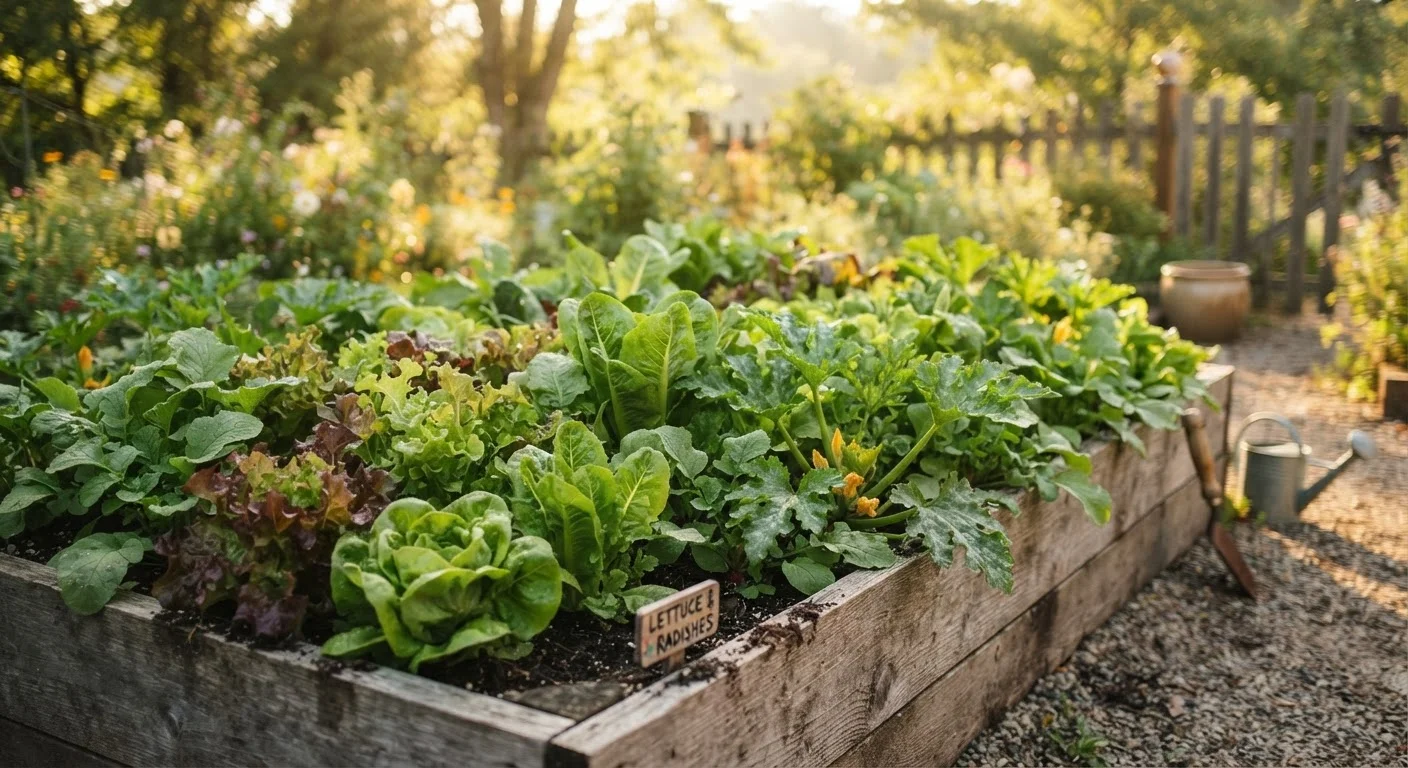
Photo credit: SearchLynk.net | Search Made Easier
In this article
A curated look at vegetables known for rewarding first-time growers — with context on why each one is forgiving and worth planting.
Key Takeaways
- Some vegetables are naturally forgiving, making them ideal starting points for new gardeners.
- Fast-maturing crops give beginners quicker feedback and momentum to keep growing.
- Many productive vegetables adapt well to containers, small yards, and imperfect soil conditions.
- Understanding each crop's basic needs helps you avoid the most common first-season mistakes.
- Starting with reliable varieties builds confidence before tackling more demanding plants.
Why Your First Crop Choice Matters More Than You Think
The single biggest factor in whether a first-time gardener keeps gardening is whether their first season feels rewarding. Choosing vegetables that match your current skill level - not the ones you hope to grow someday - sets that foundation. Not every vegetable is equally forgiving, and the difference between a plant that practically tends itself and one that demands precise conditions can be the difference between confidence and frustration.
For a broader look at how to set up your growing space correctly from the start, our first-timer's guide to starting a garden walks through everything from site selection to soil preparation. Understanding why plants fail in their first season is equally useful context before you dig in.
The vegetables below are chosen specifically because they're known to reward basic care with consistent results - giving you real harvests and real learning without requiring expert-level precision.
Start Small, Then Expand
Beginners often get the best results by starting with just two or three crops in a manageable space rather than planting a wide variety all at once. A smaller, well-tended garden almost always outperforms a larger, neglected one. Build your confidence with reliable producers this season, then scale up as your skills grow.
Radishes
If patience is in short supply, radishes are your best ally. Many varieties mature in as few as 22-30 days from seed, meaning you can sow, tend, and harvest within a single month. That rapid turnaround gives beginners valuable early feedback - you see results before doubt sets in.
Radishes tolerate a wide range of soil conditions and don't need much depth, so they work well even in shallow containers or slightly compacted garden beds. They're also a natural fit for filling gaps between slower-growing crops like tomatoes or peppers, making efficient use of limited space.
Radishes can go from seed to harvest in under 30 days - perfect for impatient first-time growers.
Zucchini
Zucchini has a reputation among experienced gardeners for producing almost more than a household can use - and that productivity is exactly what makes it so encouraging for beginners. A single healthy plant can reliably yield several fruits per week during peak summer growing season.
It's a warm-season crop that germinates readily from seed once soil temperatures reach around 60°F. Zucchini does need consistent watering and at least six hours of direct sunlight daily, but it is generally tolerant of minor lapses in care. Watch for powdery mildew on leaves in humid climates - good air circulation around plants helps prevent this common issue.
One zucchini plant can produce multiple fruits per week, making it one of gardening's most rewarding beginner crops.
Leaf Lettuce
Unlike head lettuce varieties, leaf lettuce can be harvested using the "cut-and-come-again" method - snipping outer leaves while the plant continues producing from the center. This approach stretches a single planting across several weeks of harvests, which feels far more rewarding than a one-and-done pull.
Leaf lettuce thrives in cool weather and actually prefers partial shade in warmer months, making it versatile for gardens that don't receive full sun all day. It's well-suited to containers and window boxes, as discussed in our container gardening guide. Sow seeds every two to three weeks for a continuous supply throughout spring and fall.
Cut-and-come-again harvesting lets leaf lettuce produce for weeks from a single planting.
Green Beans (Bush Variety)
Bush beans are the more beginner-friendly cousin of pole beans - they grow as compact, self-supporting plants rather than climbing vines, so no trellis is required. Direct sow seeds into warm soil (at least 60°F) after the last frost date for your region, and you can typically expect pods ready to harvest in 50-60 days.
They're nitrogen-fixing plants, meaning their roots work with soil bacteria to enrich the soil with nitrogen over time - a genuine bonus for garden health. Bush beans prefer well-drained soil but are otherwise low-maintenance. Harvest pods while they're still young and tender for the best flavor and to encourage continued production.
Bush beans fix nitrogen in the soil while producing an abundant harvest - a genuine two-for-one for beginner gardens.
Cherry Tomatoes
Full-sized slicing tomatoes can be finicky, but cherry tomato varieties tend to be more forgiving with temperature fluctuations, irregular watering, and less-than-perfect soil. They set fruit reliably, recover from mild stress more readily, and produce prolifically over a long season - often well into early fall.
Start with transplants if you're new to gardening, as discussed in our guide to seeds vs. seedlings, to reduce the complexity of early germination. Plant in a sunny spot with at least 6-8 hours of direct light, stake or cage the plant early, and water consistently at the base to reduce disease risk.
Cherry tomatoes are more resilient than larger varieties, making them the smart tomato choice for first-time growers.
Swiss Chard
Swiss chard is one of the most visually striking and practically useful vegetables for beginners. Its colorful stems - ranging from white to deep red to golden yellow - make it an attractive addition to any garden bed, and it tolerates both heat and mild frost better than most leafy greens.
Like leaf lettuce, chard can be harvested progressively by removing outer stalks, giving each plant a long productive life. It grows well in moderately fertile soil and doesn't demand the intensive feeding that heavy feeders like corn or squash require. If you're still assessing your soil's baseline, reading your soil before planting can help you understand what amendments, if any, will give chard its best start.
Swiss chard tolerates heat, light frost, and modest soil conditions - a flexible, productive choice for any beginner plot.
Building on Your First Successes
Once you've grown one or two of these crops successfully, you'll have a much better instinct for how your specific garden responds to water, light, and temperature - knowledge that pays dividends as you add more demanding plants. Keeping notes on what worked, when you planted, and how long harvests lasted is a simple habit that makes each subsequent season more informed.
Timing Matters for Every Crop
Even forgiving vegetables have preferred planting windows tied to soil temperature and frost dates, which vary significantly across U.S. regions. Cool-season crops like lettuce and radishes thrive in spring and fall, while warm-season crops like zucchini and tomatoes need soil to warm before planting. Check your local cooperative extension service for frost date guidance specific to your area.
For a full picture of what to plant across all four seasons, the year-round vegetable gardening playbook offers a practical, season-by-season roadmap that pairs well with the beginner crops above. Growing your own vegetables is also a meaningful step toward fresher, more varied eating - for more context on how food choices connect to well-being, explore our nutrition and diet resources.

Author
Home & Garden Editorial Team
Home & Garden Editorial Team is the collective byline for our editorial team and contributor network. Articles published under this byline or an editorial pen name are researched, written, and reviewed according to our editorial standards for clarity, consistency, and independence before publication.
View all articles →