
The Backyard Vegetable Gardener's Year-Round Playbook
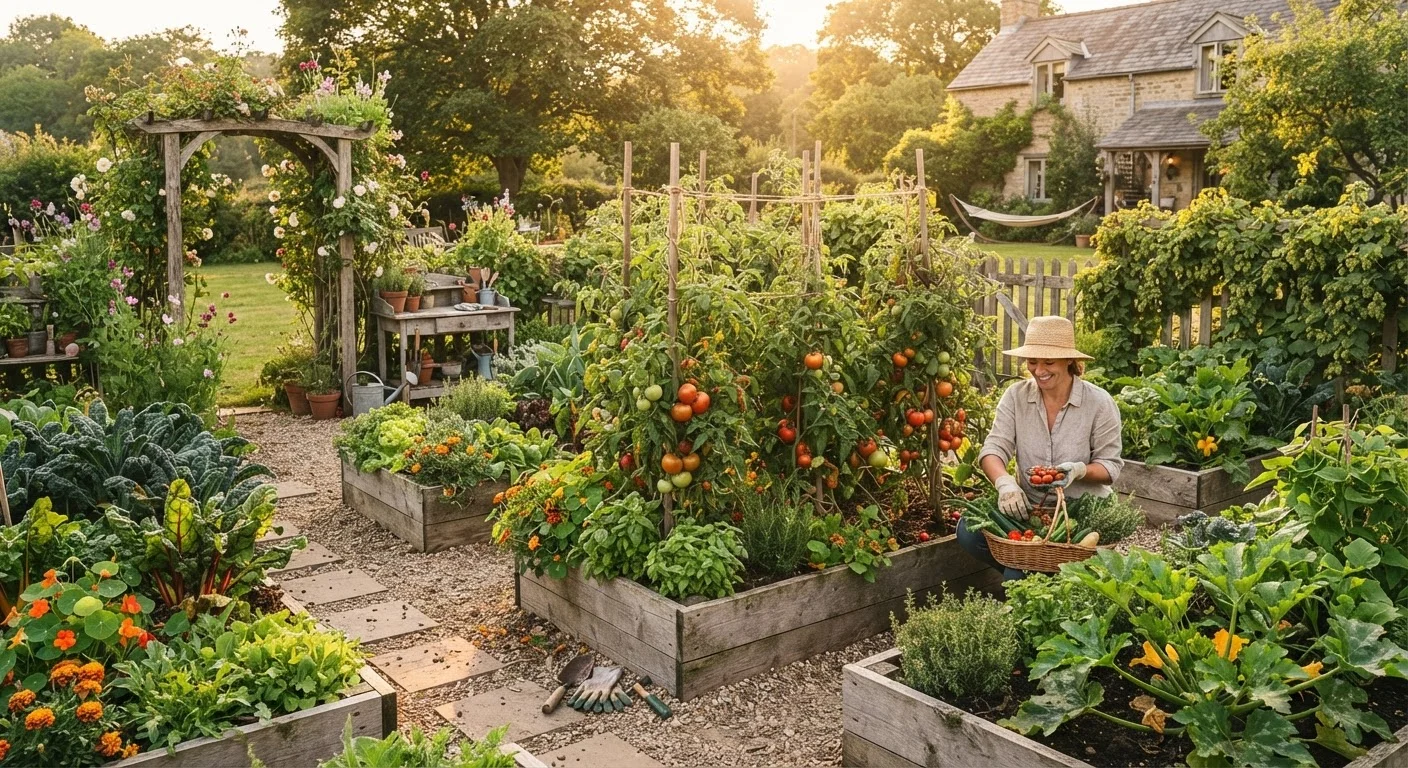
Photo credit: SearchLynk.net | Search Made Easier
In this article
A season-by-season resource covering what to plant, when to plant it, and how to keep your vegetable garden productive all year.
Key Takeaways
- Most vegetable gardens can produce across three or even four seasons with good planning.
- Cool-season crops like kale and lettuce thrive in spring and fall, not summer.
- Succession planting - sowing small batches every 2-3 weeks - prevents feast-or-famine harvests.
- Knowing your USDA Hardiness Zone and first/last frost dates is essential for timing.
- Soil health is the single highest-leverage investment a vegetable gardener can make.
Why a Year-Round Approach Changes Everything
Most beginning gardeners plant in spring, harvest in summer, and let the plot go dormant by October. That cycle leaves months of productive growing time unused. A year-round mindset treats the garden as a living system with overlapping seasons rather than a single annual event.
The key concept is succession planting - sowing small quantities of the same crop every two to three weeks so harvests are continuous rather than overwhelming. Pair that with an understanding of cool-season versus warm-season crops, and the growing calendar suddenly doubles. Cool-season vegetables (lettuce, spinach, broccoli, peas) prefer temperatures between 45°F and 75°F. Warm-season crops (tomatoes, beans, cucumbers, peppers) need soil above 60°F to thrive.
Before any planting happens, look up your USDA Plant Hardiness Zone and your local average last spring frost and first fall frost dates. These two data points are the backbone of every planting decision you'll make. Your local Cooperative Extension office - a free, publicly funded resource in every US state - publishes planting calendars tailored to your region.
Find Your Frost Dates First
Before purchasing a single seed packet, look up your average last spring frost and first fall frost dates. The USDA and most state Cooperative Extension websites provide this by zip code. These two dates determine your planting windows for every crop you'll grow.
Spring: Starting Strong
Spring gardening begins earlier than most people expect. Four to six weeks before your last expected frost, you can direct-sow cold-hardy seeds outdoors: spinach, kale, radishes, and peas all germinate in soil as cold as 40°F. This is also the right time to start warm-season crops indoors - tomatoes, peppers, and eggplant need 6-8 weeks of indoor growth before transplanting.
Once the threat of hard frost has passed (typically soil temperatures above 50°F), transplant your seedlings and begin direct-sowing warm-season crops like beans and squash. Work compost into the top few inches of soil before planting - a simple, high-impact step. Check out our guide on reading your soil before you plant anything for a practical walkthrough of pH, texture, and drainage.
Spring is also the time to check on perennial herbs like chives, thyme, and oregano, which will re-emerge on their own and provide harvests with almost no effort.
Summer: Managing the Peak Season
Summer is abundance and challenge at the same time. Warm-season crops are producing, but heat stress, pests, and inconsistent watering can quickly derail a garden. Water deeply and infrequently - roughly one inch per week, applied at the base of plants rather than from overhead - to encourage deep root growth and reduce fungal problems.
Mulch is one of the most useful tools in a summer garden. A 2-3 inch layer of straw, shredded leaves, or wood chips retains soil moisture, suppresses weeds, and moderates soil temperature. Apply it after the soil has warmed in late spring and replenish as it breaks down.
As summer rolls on, begin planning your fall garden. Cool-season crops planted in midsummer will be ready for harvest in the fall when temperatures drop. Count backward from your first expected fall frost to determine when to sow: broccoli and kale, for example, need 60-80 days to maturity. For a curated list of reliable choices, see our guide on surprisingly productive vegetables for beginners.
When sowing fall crops in midsummer heat, plant seeds slightly deeper than the packet recommends and keep the soil consistently moist - germination rates drop sharply in dry, hot soil.
Soil surface temperatures in summer can exceed air temperatures by 10-15°F, which inhibits germination in many cool-season crops. Slightly deeper placement and consistent moisture buffer seedlings from heat stress.
Label every variety you plant - not just the crop name, but the specific cultivar - so you know exactly what to order again (or avoid) next year.
Two tomato varieties planted side by side can perform very differently in the same conditions. Without records, you lose the ability to repeat successes or learn from failures across seasons.
Fall: The Second Harvest Window
Fall is genuinely underrated by home gardeners. Cool temperatures slow pest activity, reduce watering needs, and actually improve the flavor of crops like kale, Brussels sprouts, and carrots - light frost converts starches to sugars. A fall garden planted in late summer can deliver harvests well into November across much of the US, and even later in mild climates.
Extend your fall season further with low-cost row covers - lightweight fabric laid directly over crops - which can protect plants from several degrees of frost. Cold frames (essentially bottomless boxes with a transparent lid) extend the season by four to six weeks in many regions.
Fall is also an excellent time to plant garlic. Set individual cloves in the ground 4-6 weeks before your first hard freeze, and they'll overwinter and be ready for harvest the following summer. It's one of the lowest-effort, highest-reward crops in the vegetable garden.
Don't Plant Fall Crops Too Late
A common mistake is waiting until fall weather arrives to start fall planting - by then it's too late for most crops to mature before frost. Most fall vegetables need to be sown 8-10 weeks before your first expected frost date, which typically means mid-to-late summer planting.
Winter: Rest, Plan, and Prepare
Winter doesn't have to mean stopping entirely. In USDA Zones 8 and warmer, cold-hardy greens like spinach, mâche, and certain kale varieties can survive outdoors through winter with minimal protection. In colder zones, a cold frame or unheated greenhouse can extend fresh production surprisingly late.
For most gardeners, winter is primarily a planning season. Review what worked and what didn't. Update your garden journal - note which varieties performed well, which pests caused trouble, and which areas of the garden seemed to drain poorly. Use the garden planning checklist for the season ahead to organize your layout, seed selection, and supply list before spring arrives.
Order seeds in winter while selection is widest. Rotate crop families - moving tomatoes, for instance, to a bed where beans grew last year - to reduce disease and pest buildup. This practice, called crop rotation, is one of the most effective and cost-free ways to maintain soil health over time.
Soil, Space, and Supplies: The Foundation
Every piece of gardening advice ultimately comes back to soil. Healthy, living soil - rich in organic matter and beneficial microorganisms - grows more productive plants with less intervention than any fertilizer or pesticide. Build it by adding compost each season, avoiding compaction (never walk on growing beds), and minimizing bare soil exposure.
If space is limited, raised beds and containers make a year-round vegetable garden achievable on a patio or small yard. Our guide on container gardening for small spaces covers the essentials for potted growing. And if you're starting from the very beginning, starting a garden from scratch walks through site selection, bed preparation, and your very first planting plan.
Keep supplies simple to start: quality compost, a sturdy trowel, a watering can or soaker hose, and seed packets. Most productive vegetable gardens are built incrementally - one bed, one season at a time.
3-4
Growing seasons accessible to most US gardeners
Gardening educators and extension services commonly note that with season-extension tools, most US regions support three or more distinct growing windows.
2-3 weeks
Succession planting interval for continuous harvests
University extension programs consistently recommend sowing small batches every 2-3 weeks to spread harvests of fast-maturing crops like lettuce and radishes.
60°F+
Soil temperature needed for warm-season crop success
Soil thermometer readings below 60°F are associated with poor germination and slow establishment in crops like beans, cucumbers, and squash.

Author
Home & Garden Editorial Team
Home & Garden Editorial Team is the collective byline for our editorial team and contributor network. Articles published under this byline or an editorial pen name are researched, written, and reviewed according to our editorial standards for clarity, consistency, and independence before publication.
View all articles →