
Container Gardening: Growing More in Less Space
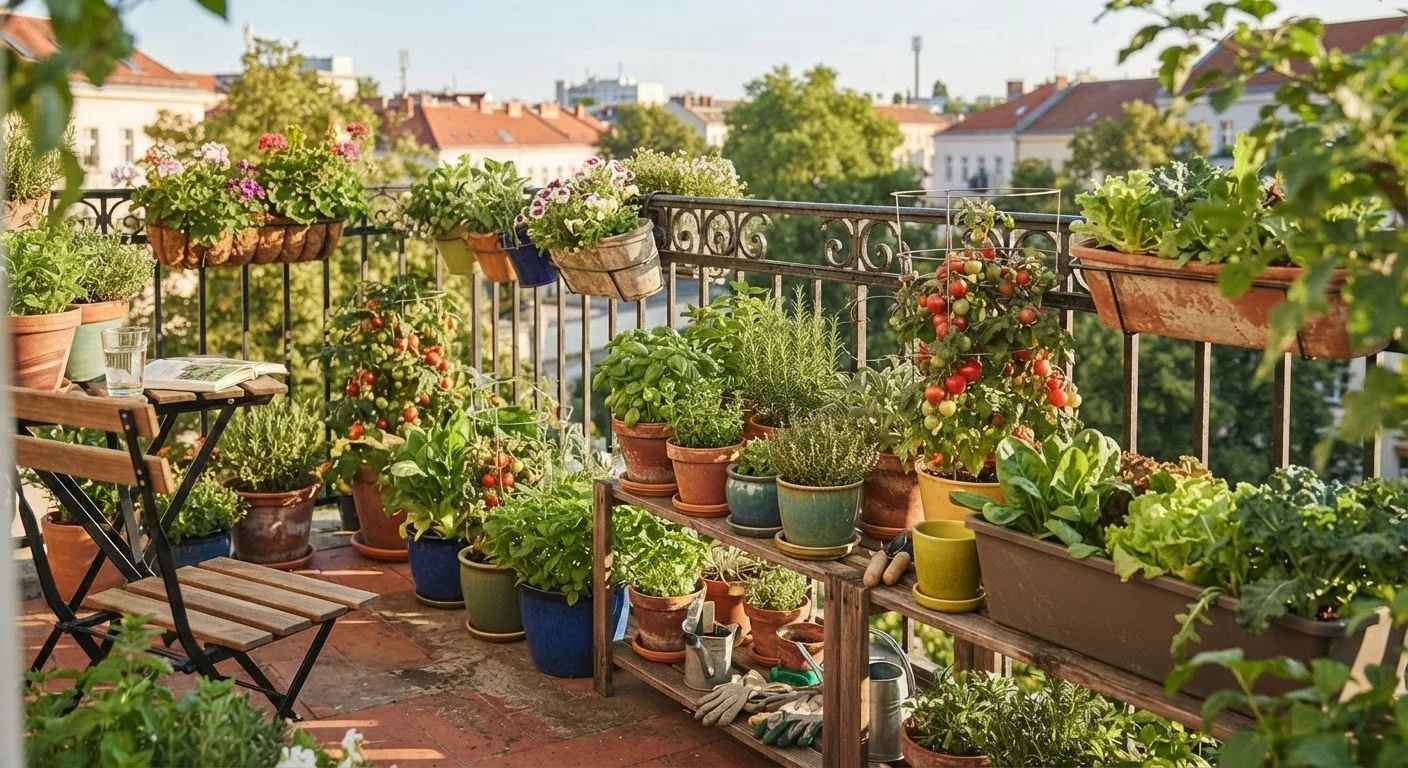
Photo credit: SearchLynk.net | Search Made Easier
In this article
Explore how containers expand what's possible for small yards, patios, and balconies — and what it takes to keep potted plants thriving.
Key Takeaways
- Container gardening is a practical option for patios, balconies, and small yards with limited ground space.
- Container size, drainage holes, and potting mix quality are the three most critical setup decisions.
- Potted plants dry out faster than in-ground plants and typically need more frequent watering and feeding.
- Herbs, salad greens, tomatoes, and peppers are among the most beginner-friendly container crops.
- Matching container size to plant root depth prevents the most common growth problems.
Why Container Gardening Works
Container gardening removes one of the biggest barriers to growing your own food or flowers: the need for a traditional garden plot. A patio, balcony, doorstep, or even a sunny windowsill can become a productive growing space when you use pots, planters, and other containers strategically.
The approach suits renters who can't dig into the ground, homeowners with compacted or contaminated soil, and anyone who wants more control over growing conditions. Containers let you move plants to follow sunlight, shelter them from frost, or simply reorganize your space as the season changes.
If you're just starting out, see our beginner's guide to starting a garden for a broader overview of planning your first growing space. Container gardening pairs naturally with that foundation.
Potting mix
A specially blended growing medium designed for containers. Unlike garden soil, it drains well, resists compaction, and supports root health in confined spaces.
Drainage hole
An opening at the bottom of a container that allows excess water to escape. Without it, water accumulates and can rot plant roots.
Root rot
A condition where roots decay due to prolonged exposure to waterlogged soil, often caused by poor drainage. Affected plants wilt, yellow, and may die.
Cachepot
A decorative outer container with no drainage hole used to hold a functional growing pot inside. The inner pot is removed for watering and drainage.
Succession planting
Planting a new crop in a container shortly after harvesting the previous one, so the pot stays productive throughout the growing season.
Air pruning
A natural process in fabric grow bags where roots that reach the bag's porous walls dry out and stop growing, encouraging the plant to produce more branching roots inside.
Choosing the Right Containers
Container choice shapes nearly everything that follows. The three factors that matter most are size, drainage, and material.
- Size: Roots need room to grow. A container that's too small stresses the plant, causes rapid drying, and limits yield. Shallow-rooted plants like lettuce and herbs do fine in 6-8 inch deep pots. Tomatoes, peppers, and eggplant need at least 12-16 inches of depth and a similar width.
- Drainage: Every container must have at least one drainage hole at the bottom. Without it, water pools around roots, leading to root rot. If you love the look of a decorative pot without holes, use it as a cachepot - place your actual growing pot inside and remove it to drain after watering.
- Material: Terracotta is classic and breathable but dries out quickly. Plastic retains moisture longer and weighs less, which matters on balconies with weight limits. Fabric grow bags offer excellent drainage and air-pruning of roots. Each material works; just adjust your watering habits accordingly.
For small-space living strategies beyond the garden, our article on storage strategies for compact homes offers complementary ideas for making tight spaces work harder.
Soil, Feeding, and Drainage Basics
Never fill containers with soil dug from your yard. Garden soil compacts tightly in pots, cutting off the air and water movement roots need. Use a potting mix specifically formulated for containers - it's engineered to drain well while holding enough moisture to support plant growth.
Look for a mix that feels light and slightly fluffy. If you're growing vegetables, a mix with some added compost provides a helpful nutrient base. You can also enrich any potting mix yourself; our guide on composting at home explains how to produce a soil amendment from kitchen scraps over time.
Because containers are watered frequently - which flushes nutrients out - potted plants need regular feeding. A balanced, slow-release granular fertilizer mixed in at planting gives a steady baseline. Supplement with a diluted liquid fertilizer every two to three weeks once plants are actively growing.
Layer Your Drainage Wisely
Despite old gardening advice, placing gravel or stones at the bottom of a pot doesn't improve drainage - research has consistently shown it can actually raise the water table inside the pot. Instead, ensure your potting mix is high quality and your drainage holes are unobstructed. Place a small piece of window screen mesh over holes to keep mix from washing out without blocking drainage.
What to Grow and Where to Start
Beginners tend to succeed fastest with plants that are forgiving, compact, and productive. Here are reliable starting points:
- Herbs (basil, chives, parsley, mint): Mint spreads aggressively, so always grow it in its own pot. Most herbs thrive in smaller containers with 6+ hours of sun.
- Salad greens (lettuce, spinach, arugula): Fast-growing, shallow-rooted, and tolerant of partial shade. Harvest outer leaves to extend production.
- Cherry tomatoes: Look for compact or patio-labeled varieties. They need a large pot, full sun, and a stake or cage for support.
- Peppers: Slower to mature than tomatoes but well-suited to containers and rewarding once established.
- Radishes and green onions: Quick turnaround crops that build confidence and free up pot space for succession planting.
For more inspiration on what to plant first, our article on surprisingly productive vegetables for beginners highlights crops that reward new growers. If you eventually expand beyond containers, the raised beds vs. in-ground comparison can help you decide on your next step.
Keeping Container Plants Healthy
Three ongoing tasks determine whether container plants thrive or struggle: watering consistently, feeding regularly, and monitoring for problems early.
Potted plants dry out significantly faster than in-ground plants because their root zone is small and exposed on all sides. In warm weather, some containers need water daily. The simplest method: push your finger an inch into the potting mix. If it feels dry at that depth, water thoroughly until it drains freely from the bottom. Our article on watering smarter covers the principles behind healthy watering habits in more depth.
Check plants regularly for yellowing leaves (often a sign of overwatering or nutrient deficiency), wilting despite moist soil (possible root rot), or visible pests on leaves and stems. Catching issues early - before they spread - is far easier than correcting them once established.
At the end of the season, refresh your potting mix. Reusing old mix without amendment depletes nutrients and can harbor disease. Add compost or replace a portion of the mix each year to keep your containers productive season after season. For a broader seasonal perspective, the year-round vegetable gardening playbook offers a helpful planning framework as your confidence grows.
Weight Limits Matter on Balconies
Large containers filled with wet potting mix can be surprisingly heavy. If you're gardening on a balcony or elevated deck, check your building's weight load guidelines before placing multiple large pots. Lightweight options like fabric grow bags and plastic pots help reduce the load compared to ceramic or concrete containers.
Frequently Asked Questions

Author
Home & Garden Editorial Team
Home & Garden Editorial Team is the collective byline for our editorial team and contributor network. Articles published under this byline or an editorial pen name are researched, written, and reviewed according to our editorial standards for clarity, consistency, and independence before publication.
View all articles →