
Raised Beds vs. In-Ground Planting: A Practical Comparison
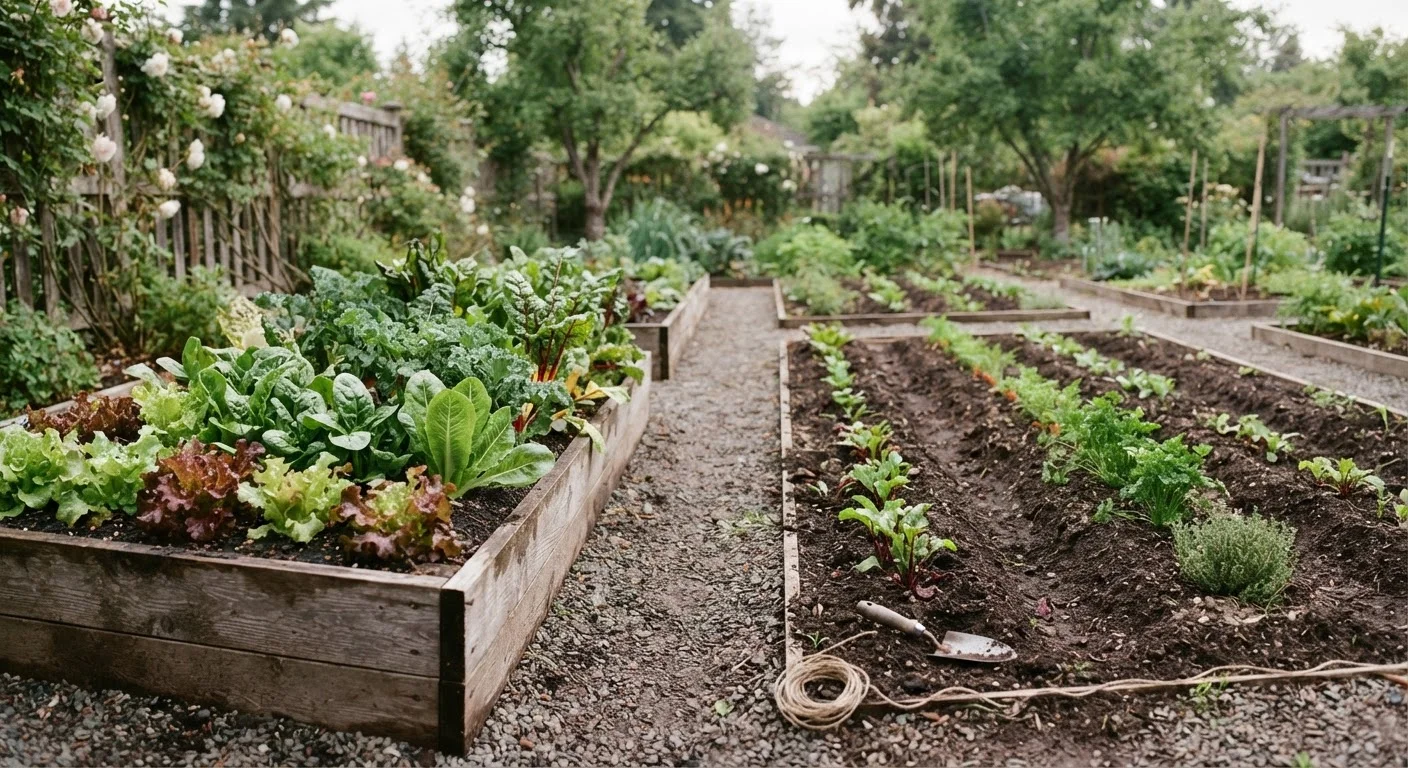
Photo credit: SearchLynk.net | Search Made Easier
In this article
Explore how raised beds and traditional in-ground gardens differ in cost, maintenance, drainage, and yield potential.
Key Takeaways
- Raised beds offer better drainage and soil control, making them ideal for challenging yards or poor native soil.
- In-ground planting typically costs less upfront and suits gardeners with ample space and workable native soil.
- Raised beds tend to warm up faster in spring, potentially extending your growing season.
- In-ground gardens require more soil amendment work but can be scaled up with minimal materials.
- Either method can yield a productive garden when matched to your site conditions and commitment level.
Understanding the Two Approaches
When you're planning a vegetable garden or flower bed, one of the first decisions you'll face is where plants will actually grow - directly in the ground or in a contained, elevated structure. Both methods have been used by home gardeners for generations, and both can produce impressive results. The difference lies in how each approach handles soil quality, water, temperature, and labor.
Raised beds are freestanding frames - typically made from wood, galvanized metal, or composite material - filled with a custom soil mix placed above the existing ground. In-ground planting means working directly with the native soil in your yard, amending it as needed before sowing seeds or transplanting starts.
If you're just getting started, our guide to starting a garden from scratch walks through site selection and early planning steps that apply to both methods. Understanding the trade-offs before you dig - or build - saves time and money in the long run.
| Raised Beds | In-Ground Planting | |
|---|---|---|
| Upfront Cost | Moderate to high (materials + soil) | Low (tools and amendments only) |
| Soil Control | Full control from the start | Depends on native soil quality |
| Drainage | Excellent by design | Variable; may need improvement |
| Weed Pressure | Generally lower | Often higher, especially early on |
| Season Length | Warms faster; earlier planting possible | Slower to warm in spring |
| Physical Accessibility | Easier with taller frames | Requires bending to ground level |
| Scalability | Cost increases with each bed added | Relatively easy to expand |
Cost and Setup Effort
In-ground gardening wins on upfront cost. You're working with existing land, so there's no structure to buy or build. Your main expenses are tools, seeds or transplants, and any amendments needed to improve soil texture or fertility - such as compost, aged manure, or balanced fertilizer. For guidance on feeding your plants, see our overview of organic vs. synthetic fertilizers.
Raised beds require purchasing or sourcing frame materials, hardware, and a significant volume of quality growing mix. A standard 4×8-foot bed can require 8-12 cubic feet of soil blend - a mix typically made from compost, topsoil, and a drainage material like coarse perlite. These costs add up, especially when building multiple beds. However, because you're not tilling large areas or fighting compacted ground, the physical setup for a single raised bed can often be completed in a few hours.
Start Small and Expand Gradually
Whether you choose raised beds or in-ground rows, beginning with a manageable area - roughly 4×4 to 4×8 feet - helps you learn without overcommitting resources. Many gardeners find that one or two well-tended beds or a modest in-ground plot teaches more than a sprawling garden that becomes hard to maintain. You can always add more growing space in subsequent seasons once you've developed a routine.
Soil Quality, Drainage, and Root Health
One of the clearest advantages of raised beds is soil control. You choose exactly what goes into the bed, which means you can create a loose, well-draining environment optimized for plant roots right from day one. This is particularly valuable in regions with heavy clay soil, sandy soil with poor water retention, or yards where topsoil has been stripped during construction.
In-ground beds depend on what your yard naturally provides. Some gardeners are lucky - loamy, well-drained native soil can be productive with minimal amendment. Others will spend multiple growing seasons building organic matter and improving structure before yields become consistent. Testing your soil's pH and nutrient levels before planting is a practical first step that works equally well for both methods.
Raised beds also drain more freely by design, which reduces the risk of root rot in wet climates. However, this same characteristic means they can dry out faster in summer heat, requiring more frequent watering or the addition of drip irrigation.
Season Length, Maintenance, and Weed Pressure
Because raised beds sit above ground level, the soil warms faster in early spring. This can allow earlier planting of cool-season crops like lettuce, spinach, and peas - an advantage in regions with short growing seasons. In-ground beds absorb and release heat more slowly, which may delay your first planting date by a week or more depending on your climate.
Weed management also differs meaningfully. A raised bed filled with sterile or pasteurized growing mix starts with far fewer weed seeds than native soil. Weeding is typically lighter and easier to maintain. In-ground gardens, particularly those converted from lawn or overgrown areas, often battle persistent weeds for the first few seasons. Mulching heavily can reduce this pressure significantly.
Pest and disease pressure varies by region, but raised beds offer one practical benefit: because gardeners tend to avoid stepping into the bed, the soil stays loose and uncompacted, which supports root health over time. In-ground gardens in high-traffic areas can suffer from compaction if paths between rows aren't clearly defined and respected.
For gardeners thinking about space-efficient alternatives - such as growing in pots on a patio or balcony - container gardening offers another perspective worth exploring alongside these two methods.
Which Approach Suits Your Situation?
Neither raised beds nor in-ground planting is the objectively correct choice - the right answer depends on your specific yard, budget, physical needs, and goals. A few questions can help clarify the decision:
- What is your native soil like? If it's compacted, drains poorly, or has known contamination concerns, raised beds give you a clean start.
- What is your budget? If startup costs are a barrier, in-ground gardening with modest amendments can get you growing for far less.
- Do you have physical limitations? A raised bed built 24-30 inches high can be tended with minimal bending, reducing strain on your back and knees.
- How much space do you have? Large plots lend themselves to in-ground rows; smaller defined areas often suit raised beds well.
Once you've decided on your approach, think carefully about how you'll start individual plants. Our comparison of seeds vs. seedlings can help you plan your growing timeline, whether you're filling a raised bed or prepping an in-ground row.
It's also worth knowing that some common assumptions about gardening - including ideas about watering frequency and soil preparation - don't always hold up to scrutiny. See our look at gardening myths that could be hurting your plants before committing to any routine.

Author
Home & Garden Editorial Team
Home & Garden Editorial Team is the collective byline for our editorial team and contributor network. Articles published under this byline or an editorial pen name are researched, written, and reviewed according to our editorial standards for clarity, consistency, and independence before publication.
View all articles →