
Seeds vs. Seedlings: Which Way to Start Your Garden
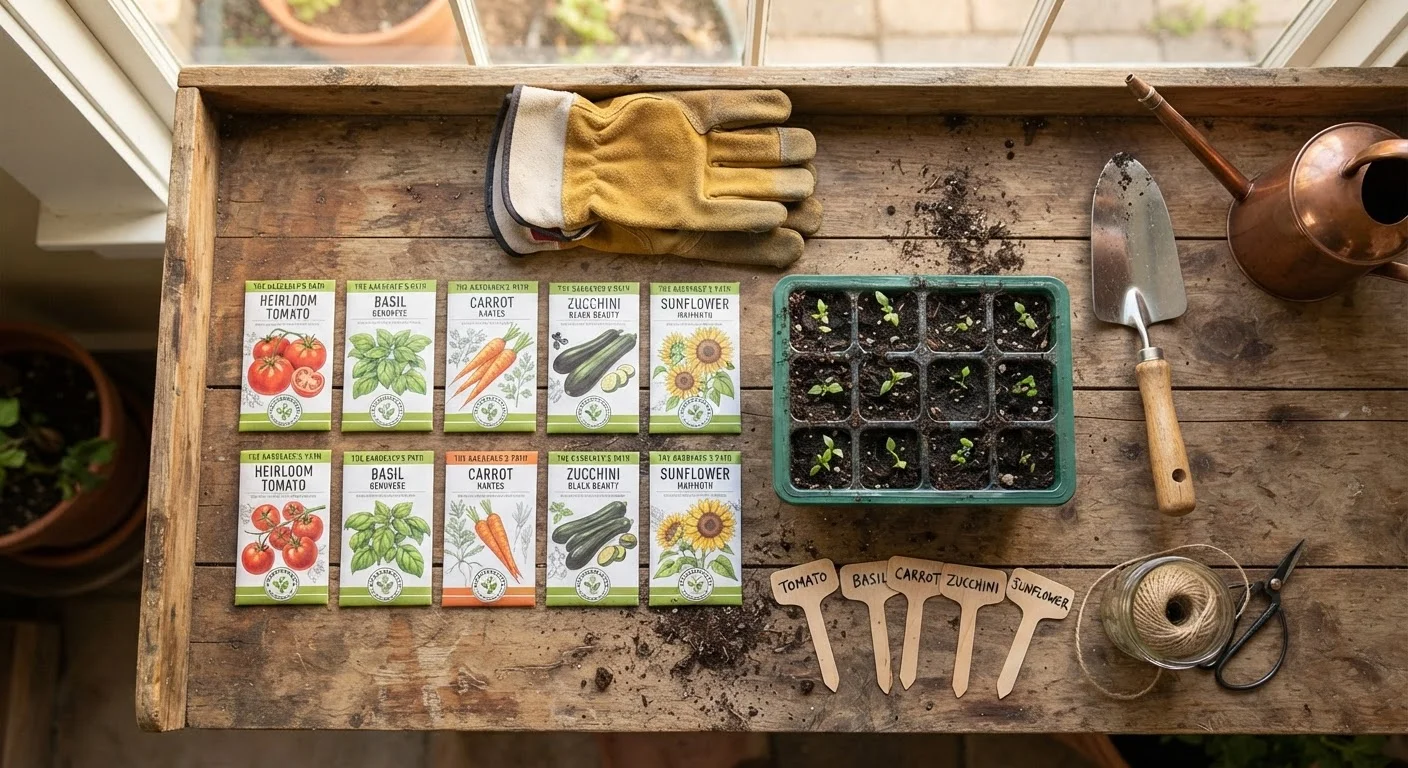
Photo credit: SearchLynk.net | Search Made Easier
In this article
Weigh the differences between direct sowing and transplanting seedlings to decide which approach fits your timeline and goals.
Key Takeaways
- Seeds cost less and offer far more variety, but require more time and attention early on.
- Seedlings give you a head start on the growing season, which matters most in short-summer climates.
- Some vegetables - like carrots and beans - strongly prefer direct sowing and resist transplanting.
- Many gardeners use both methods in the same season, matching each crop to its ideal start.
- Your local frost dates and available indoor space are key factors in choosing your approach.
What's the Actual Difference?
When gardeners talk about starting from seeds, they mean either sowing directly into garden soil (called direct sowing) or starting seeds indoors weeks before the last frost and transplanting them later. Starting from seedlings - also called transplants - means purchasing young plants that have already germinated and begun growing, usually from a nursery or garden center.
Both methods get you to the same place: a producing garden. The differences lie in timing, cost, variety selection, and how much early involvement is required. Understanding those trade-offs is what helps you choose - or mix and match - intelligently. For a broader view of what goes into planning a successful garden season, see the Garden Planning Checklist for the Season Ahead.
| Criterion | Starting from Seeds | Planting Seedlings |
|---|---|---|
| Upfront cost | Lower - packets are inexpensive | Higher per plant |
| Variety selection | Very wide - thousands of options | Limited to nursery stock |
| Time to harvest | Longer - full growth cycle | Shorter - weeks of growth banked |
| Beginner difficulty | Moderate - germination can be tricky | Easier - plants already established |
| Best crops | Root veg, beans, peas, direct-sown annuals | Tomatoes, peppers, broccoli, eggplant |
| Indoor space needed | Yes, if starting indoors early | No - plant directly outdoors |
| Risk of transplant shock | None for direct sowing | Possible - harden off carefully |
The Case for Starting from Seeds
Seeds are the more economical starting point. A single packet typically yields dozens of plants at a fraction of the cost of purchasing equivalent transplants. That economy of scale matters when you're planting a large bed or trying multiple varieties.
Variety is the other major advantage. Garden centers stock a limited selection of transplants - often the same popular hybrids year after year. Seed suppliers, by contrast, carry thousands of varieties, including open-pollinated and heirloom types that you simply won't find as starts. If you want a specific flavor profile or an unusual color, seeds are usually your only option.
Some crops must be direct sown regardless of preference. Carrots, parsnips, radishes, beets, and most beans and peas develop taproots or root systems that don't tolerate disturbance - transplanting them typically leads to poor results. For these, starting from seed isn't just a choice; it's the recommended practice.
~$2-$5
Typical cost of one seed packet
A single packet can contain 50-200+ seeds depending on the crop, making per-plant cost far lower than purchasing transplants individually.
6-8 weeks
Typical indoor seed-starting lead time
Most warm-season crops like tomatoes and peppers are started indoors 6-8 weeks before the expected last frost date in a given region.
120 days
Frost-free days where transplants matter most
Gardeners in regions with fewer than roughly 120 frost-free days often rely on transplants to ensure long-season crops reach maturity.
The main challenge with seeds is time and attention. Seeds need appropriate warmth, moisture, and - once germinated - adequate light to develop into sturdy transplants. Indoor seed-starting requires some basic equipment, including a grow light or a very bright south-facing window, and consistent watering. Beginners sometimes struggle with damping off, a fungal issue that kills young seedlings at the soil line, usually caused by overwatering or poor air circulation.
The Case for Planting Seedlings
Seedlings compress your timeline significantly. When you put a six-week-old tomato transplant in the ground after your last frost date, you're effectively borrowing weeks of growing time that seeds started outdoors couldn't accumulate. In regions with short summers - roughly defined as fewer than 120 frost-free days - this head start can determine whether you harvest at all.
For beginners, transplants also reduce early frustration. Germination can be finicky; soil temperature, moisture consistency, and seed depth all affect success rates. Transplants sidestep that uncertainty and let new gardeners focus on what happens after plants are in the ground: watering, feeding, and watching for pests. If you're still building foundational skills, check out Starting a Garden from Scratch for a full beginner's walkthrough.
The trade-offs are real: transplants cost more per plant, the variety selection is narrower, and some crops - particularly those with sensitive roots - can experience transplant shock, a period of stress and slowed growth after being moved. Hardening off (gradually exposing indoor-grown or nursery-grown plants to outdoor conditions over about a week) helps minimize this stress.
What Is Hardening Off?
Hardening off is the process of gradually acclimatizing transplants - whether nursery-bought or home-grown - to outdoor conditions before planting them permanently. Start by placing plants outside in a sheltered, partly shaded spot for a few hours each day, then gradually increase sun exposure and time outdoors over about 7-10 days. Skipping this step can cause leaf scorch or stress-related setbacks, especially for warm-season crops moved directly from a heated indoor environment.
How Most Gardeners Actually Do It
In practice, most experienced home gardeners use both methods in the same season - sometimes in the same bed. They direct sow crops that prefer it (beans, carrots, squash, cucumbers, peas) while buying or starting transplants for crops that benefit from a head start (tomatoes, peppers, eggplant, broccoli).
Your local conditions shape this decision significantly. Knowing your average last frost date and your soil's readiness - including drainage, texture, and pH - helps you time both seeds and transplants correctly. The article Reading Your Soil Before You Plant Anything is a useful next step for understanding what your ground can support and when. For a plant-by-plant sense of what tends to succeed for new growers, Surprisingly Productive Vegetables for Beginners offers practical guidance on choosing forgiving crops.
There's no single correct approach - the right method depends on what you're growing, where you live, and how much time and space you have. Experiment across a season or two and you'll quickly develop a feel for what works in your specific garden.

Author
Home & Garden Editorial Team
Home & Garden Editorial Team is the collective byline for our editorial team and contributor network. Articles published under this byline or an editorial pen name are researched, written, and reviewed according to our editorial standards for clarity, consistency, and independence before publication.
View all articles →