
Garden Planning Checklist for the Season Ahead
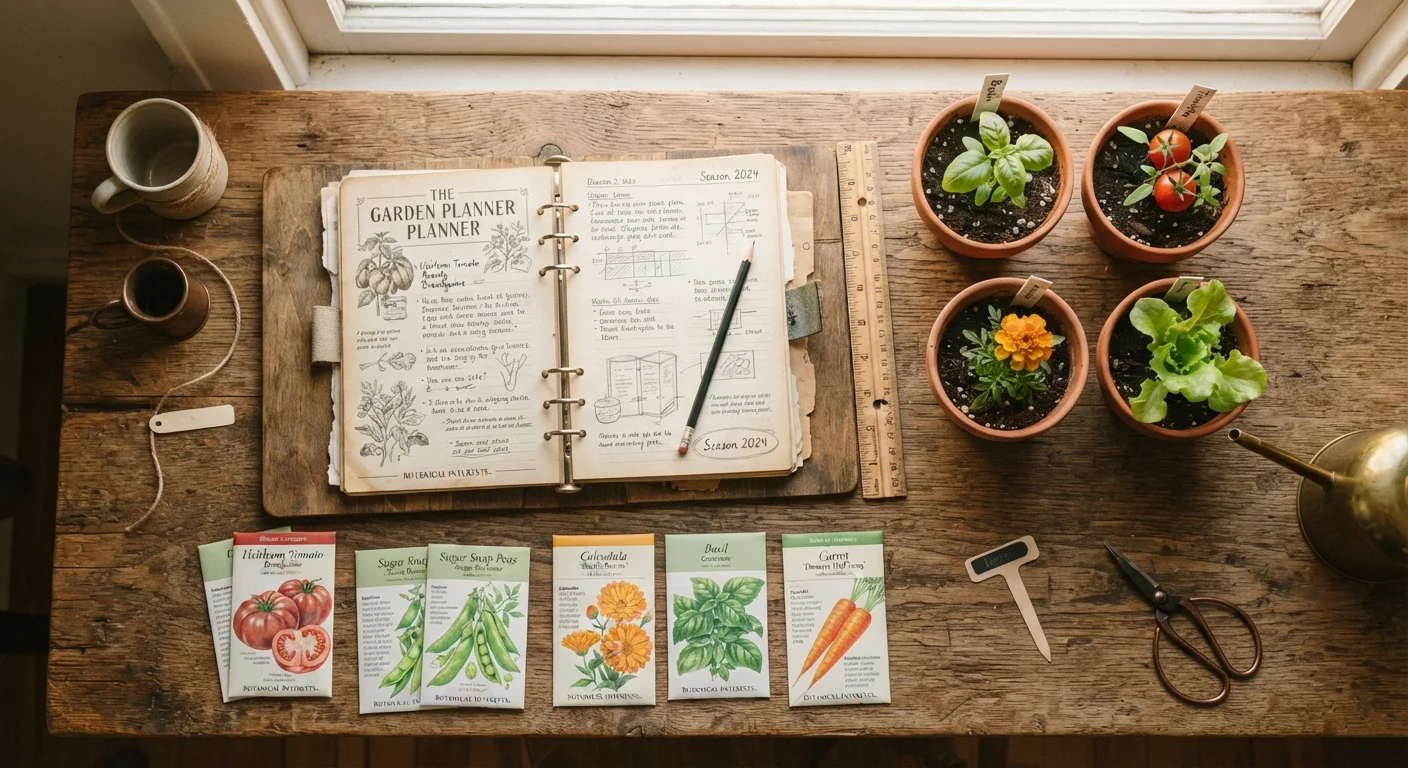
Photo credit: SearchLynk.net | Search Made Easier
Use this practical checklist to organize your garden layout, soil prep, seed selection, and planting schedule before the season begins.
Key Takeaways
- Knowing your USDA Hardiness Zone and average last frost date is the foundation of any planting plan.
- Testing and amending your soil before planting saves time, money, and disappointment later in the season.
- Choosing plants suited to your light conditions and space dramatically improves your success rate.
- A written planting schedule helps you stagger harvests and avoid overwhelming gaps or gluts.
- Reviewing your pest and watering strategy before planting reduces mid-season surprises.
Why a Pre-Season Checklist Makes a Real Difference
For many gardeners, the biggest source of mid-season frustration isn't bad weather or difficult pests - it's a lack of preparation. Running out of compost the day you're ready to plant, discovering your soil is too compacted to work, or realizing your tomatoes need six more weeks of indoor growing time are all problems that a short planning session can prevent.
This checklist is designed for beginners and casual growers who want a productive, manageable garden without the guesswork. It covers the six areas that matter most before you put anything in the ground: understanding your growing conditions, preparing your soil, choosing the right plants, designing your layout, building a planting schedule, and gathering your tools. Work through it at your own pace - the whole process typically takes between 30 and 60 minutes spread across a few planning sessions.
For a deeper look at what to plant and when throughout the full year, our Backyard Vegetable Gardener's Year-Round Playbook is a useful companion resource once you've completed this checklist.
Soil Test Kit
Measures soil pH and basic nutrient levels so you know exactly what amendments your beds need before planting.
Garden Journal or Planner
Keeps your planting schedule, layout sketch, and seasonal notes in one place for easy reference all season long.
Seed Packets
Provides variety-specific guidance on planting depth, spacing, days to maturity, and indoor start timing.
Compost or Aged Manure
Improves soil structure and fertility when worked into beds before planting.
Broadfork or Garden Fork
Loosens compacted soil without destroying beneficial soil structure the way heavy tilling can.
Soaker Hose or Drip Irrigation
Delivers water directly to the root zone, reducing evaporation and the risk of fungal disease on foliage.
How to Work Through the Checklist
Start with the first two groups - Know Your Growing Conditions and Assess and Prepare Your Soil - because every other decision flows from those answers. A sun-drenched raised bed in well-draining loam calls for a very different plant list than a partially shaded, heavy clay plot.
Once you know your conditions, move into plant selection and layout planning together. It helps to sketch your beds on paper and pencil in each crop before you finalize your seed orders. Our guide to seeds vs. seedlings can help you decide which starting method fits your timeline and space. If you want to make the most of your garden footprint, explore companion planting strategies that let compatible crops support each other.
The planting schedule section is worth taking seriously even if it feels overly structured. A simple chart - crop name, indoor start date, outdoor transplant date, expected harvest window - prevents the common mistake of starting everything at once and then scrambling when a dozen seedlings are ready to go outside at the same moment.
Finally, don't overlook pest awareness. Knowing what damage to watch for before problems appear makes early intervention far more effective. Our article on common garden pests and the signs they leave behind is a practical reference to bookmark now and return to throughout the season.
Know Your Growing Conditions
Assess and Prepare Your Soil
Choose and Source Your Plants
Map Out Your Garden Layout
Build Your Planting Schedule
Prepare Your Tools and Supplies
Once your garden is in the ground, watering consistency becomes your most important ongoing task. Our guide to smarter watering explains how to develop habits that keep plants healthy without overcomplicating your routine.
Don't Skip the Frost Date Step
Planting warm-season crops like tomatoes or peppers before your last frost date can result in plants killed overnight by a late freeze. Always confirm your local average last frost date with a reliable regional source - such as your state's cooperative extension service - before transplanting cold-sensitive seedlings outdoors. Covering plants with row cover fabric can add some protection, but it is not a substitute for proper timing.
Soil Test Results Take Time to Act On
Some soil amendments, such as lime to raise pH, can take several weeks to alter soil chemistry noticeably. Test your soil as early as possible - ideally weeks before you plan to plant - so you have time to amend and retest if needed. Rushing amendments right before planting rarely gives them enough time to fully integrate.
Permits May Apply for Structural Garden Features
If your garden plans include raised beds requiring significant grading, retaining walls over a certain height, pergolas, or changes to irrigation that connect to your home's water supply, local building or zoning permits may be required. Regulations vary by municipality. Check with your local planning or building department before beginning any structural garden construction to avoid code violations or required removal later.

Author
Home & Garden Editorial Team
Home & Garden Editorial Team is the collective byline for our editorial team and contributor network. Articles published under this byline or an editorial pen name are researched, written, and reviewed according to our editorial standards for clarity, consistency, and independence before publication.
View all articles →