
Companion Planting: How Pairing the Right Plants Can Benefit Your Garden
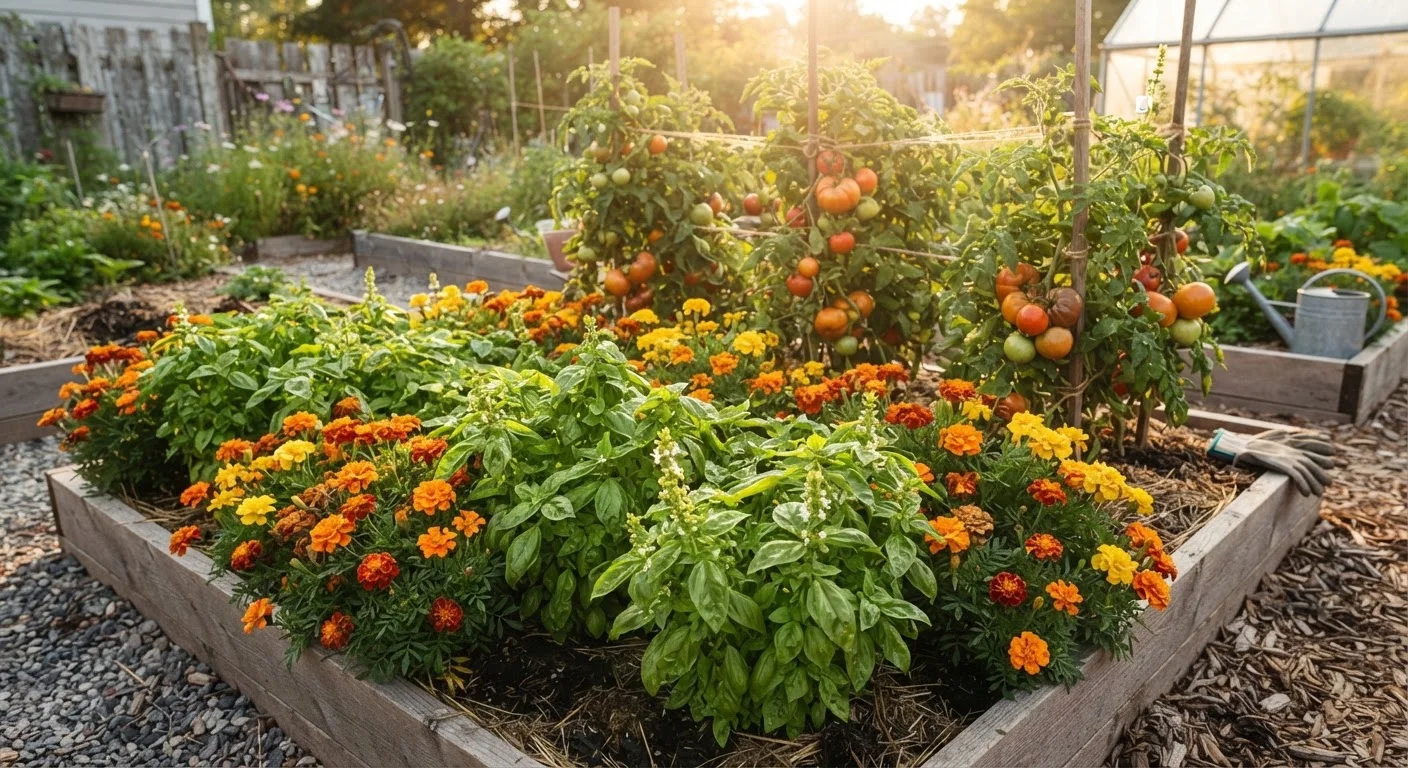
Photo credit: SearchLynk.net | Search Made Easier
In this article
Discover how growing certain plants side by side can deter pests, improve yield, and make better use of your garden space.
Key Takeaways
- Companion planting pairs plants strategically to create mutual benefits like pest control and improved growth.
- Some combinations work by repelling insects, while others fix nitrogen or provide physical shade.
- Classic pairings like the Three Sisters - corn, beans, and squash - demonstrate real, measurable synergy.
- Not all combinations are beneficial; some plants actively inhibit each other's growth.
- Companion planting works best alongside good soil prep, consistent watering, and seasonal planning.
What Companion Planting Actually Does
The core idea behind companion planting is straightforward: some plants, when grown near each other, create conditions that are better for one or both of them. These benefits fall into several practical categories.
- Pest deterrence: Certain plants emit scents or compounds that confuse or repel harmful insects. Marigolds, for example, produce a substance that suppresses soil nematodes, and their strong fragrance is thought to mask the smell of nearby crops from flying pests.
- Attracting beneficial insects: Flowering herbs like dill, fennel, and cilantro draw in pollinators and predatory insects - including parasitic wasps - that naturally control pest populations.
- Nitrogen fixation: Legumes such as beans and peas host bacteria in their root nodules that convert atmospheric nitrogen into a soil-usable form, which benefits neighboring heavy-feeding plants.
- Space efficiency: Pairing plants with different growth habits - tall with low-growing, deep-rooted with shallow - allows more plants to coexist without crowding each other out.
Before diving into specific pairings, it's worth understanding your growing environment. Reading your soil before planting helps you know whether your garden conditions will support specific plant combinations in the first place.
Start Small and Observe
If you're new to companion planting, choose just one or two pairings in your first season and keep notes on what you observe - pest levels, plant vigor, and overall yield. This hands-on data from your own garden is more reliable than any general guideline, since every growing environment differs.
Classic Combinations Worth Knowing
One of the most celebrated examples of companion planting is the Three Sisters - a growing system developed by Indigenous peoples of North America that combines corn, beans, and squash. Each plant plays a distinct role: corn provides a tall structure for beans to climb, beans fix nitrogen in the soil to feed the corn and squash, and squash spreads low to the ground, shading the soil to retain moisture and suppress weeds. The three plants together outperform what any one of them achieves alone.
3-in-1
Functions of the Three Sisters system
The traditional Three Sisters combination simultaneously provides structural support, nitrogen fixation, and ground cover weed suppression - demonstrating multi-functional companion planting.
~65%
Reduction in nematode populations near marigolds
Research published in horticultural studies has shown that French marigolds (Tagetes patula) can significantly reduce root-knot nematode populations when planted densely in affected soil.
Other reliable pairings include:
- Tomatoes + Basil: A garden staple. Basil may help deter aphids and thrips near tomato plants, and many gardeners swear by it - though evidence on flavor improvement is largely anecdotal.
- Carrots + Onions: Carrot flies and onion flies are each repelled by the scent of the other plant, making this a mutually protective pair.
- Roses + Garlic: Garlic planted at the base of roses is a traditional method for deterring aphids.
- Cabbage + Dill: Dill attracts wasps that prey on cabbage worms, making it a useful biological pest control companion.
For more on identifying what pests are already active in your space, our guide to common garden pests can help you spot problems early and target your companion plant choices accordingly.
Combinations to Avoid - and How to Plan Thoughtfully
Companion planting isn't only about helpful pairings - some plants actively suppress each other. Allelopathy is the term for this: when a plant releases chemicals that inhibit the germination or growth of nearby plants. Black walnut trees are a strong example, producing a compound called juglone that is toxic to many garden plants including tomatoes and peppers.
Other combinations to keep separate:
- Fennel and most vegetables - fennel is broadly allelopathic and is best grown in its own isolated spot.
- Beans and onions - onions can inhibit bean growth, so keep these apart.
- Strawberries and brassicas - these compete for similar nutrients and tend to underperform when crowded together.
Not Every Claim Is Backed by Evidence
Companion planting has a long tradition, but not every pairing has been rigorously tested in controlled studies. Some benefits - like basil improving tomato flavor - are reported anecdotally by many growers but remain difficult to verify scientifically. That doesn't mean these combinations aren't worth trying, but approach bold claims with healthy skepticism and treat your garden as an ongoing experiment.
Good companion planting also requires solid underlying practices. Healthy soil supports the root interactions and microbial activity that make these pairings work. Consider building a composting system to steadily improve your soil's fertility. Combined with a seasonal garden plan, companion planting becomes one reliable tool in an integrated approach - rather than a standalone solution.
Frequently Asked Questions

Author
Home & Garden Editorial Team
Home & Garden Editorial Team is the collective byline for our editorial team and contributor network. Articles published under this byline or an editorial pen name are researched, written, and reviewed according to our editorial standards for clarity, consistency, and independence before publication.
View all articles →