
Small Space, Full Life: Storage Strategies for Apartments and Compact Homes
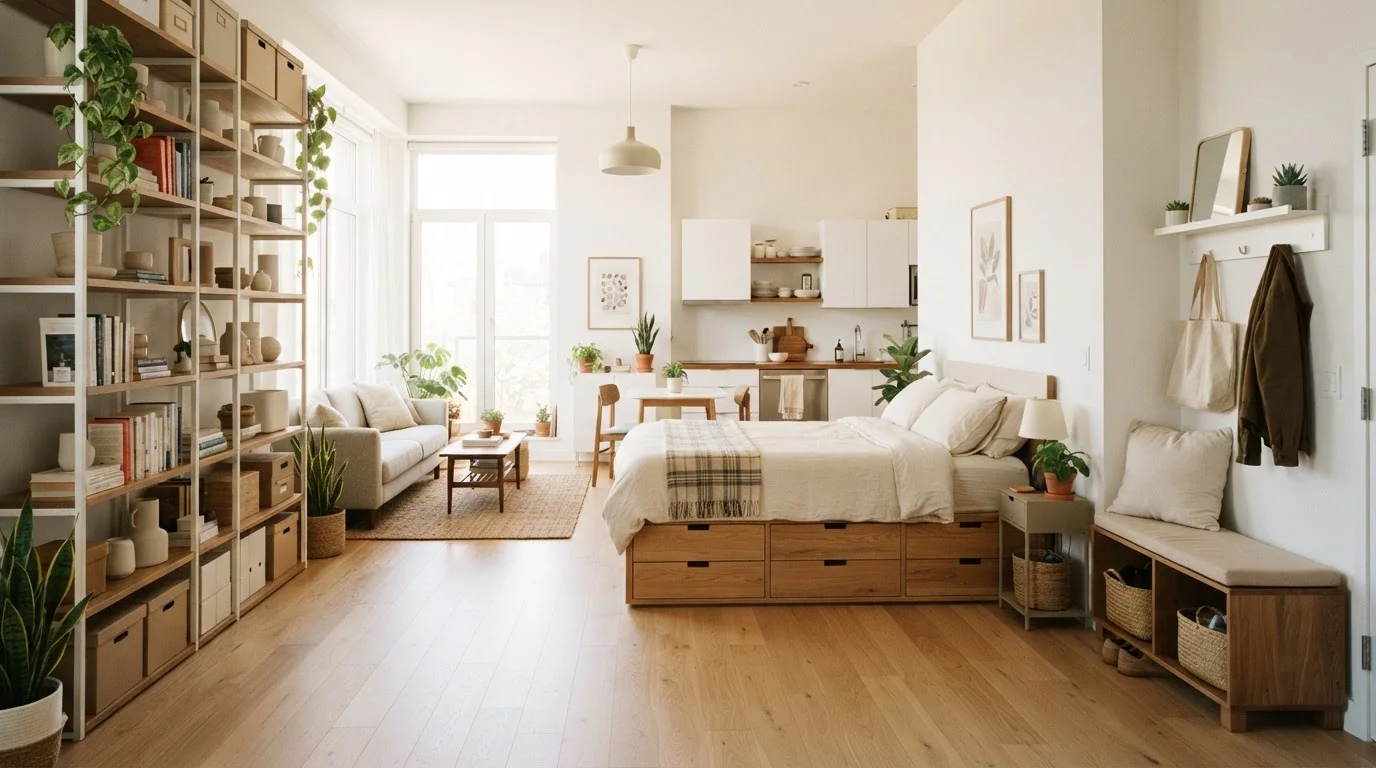
Photo credit: SearchLynk.net | Search Made Easier
In this article
Limited square footage doesn't have to mean constant clutter. These practical storage strategies help you make the most of every corner and vertical inch.
Key Takeaways
- Vertical space - walls, doors, and ceiling height - is the most underused storage resource in small homes.
- Furniture that serves double duty dramatically reduces clutter without shrinking your living area.
- Consistent editing habits prevent storage systems from becoming overwhelmed over time.
- Zoning your space by activity helps you store items closer to where they are actually used.
- Hidden storage and visible storage each have strengths - combining both works best in compact layouts.
Why Small Spaces Demand Smarter Systems
Living in an apartment or compact home doesn't mean accepting a cluttered, cramped existence. What it does mean is that disorganization has fewer places to hide - and the consequences of a poor storage system are felt immediately and daily. A coat dumped on a chair, a stack of mail on the counter, or a closet that won't close properly can make even a well-designed space feel chaotic.
The good news is that most small-space storage problems are solvable without major renovation. The strategies below focus on working with what you already have: your walls, your furniture footprint, and your daily routines. Before diving in, it helps to think about which areas of your home cause the most friction. That's usually the right place to start. For a broader foundation, see our complete home organization guide for principles that apply at any scale.
Go Vertical with Wall-Mounted Shelving
Most apartments use only the bottom four feet of wall space for storage, leaving the upper half entirely empty. Wall-mounted shelving - installed at varying heights up toward the ceiling - can triple your storage capacity without consuming any floor area.
Use upper shelves for items you access less frequently: seasonal decor, extra linens, or bulk supplies. Reserve mid-height shelves for everyday items. In rental apartments, look into freestanding shelving units that provide the same benefit without permanent wall anchors. Always confirm what your lease permits before drilling into walls.
The upper half of your walls is free storage you're probably ignoring entirely.
Choose Furniture That Works Double Duty
Every piece of furniture in a compact home should earn its place. Ottomans with internal storage, beds with built-in drawers, dining benches that open up for extra linens, and coffee tables with lower shelves or lift-top compartments all provide function beyond their visible purpose.
When evaluating new furniture, think of the storage value alongside the aesthetic and comfort value. A standard sofa and a storage sofa may look identical - but one quietly solves a problem. This approach pairs naturally with understanding when hidden storage serves a space better than open shelving.
In a small home, furniture that doesn't offer storage is a missed opportunity.
Use the Space Under Your Bed
The area beneath a standard bed frame represents significant cubic footage that often goes entirely unused or becomes a catch-all for random items. With low-profile storage bins, flat rolling drawers, or a bed frame with built-in drawers, this space can accommodate seasonal clothing, extra bedding, shoes, or even books.
The key is organization within the under-bed space itself. Clear bins with lids keep items visible and dust-free. Labeling each container prevents the space from becoming a blind dumping ground. Measure your clearance height before purchasing storage containers to make sure they'll slide in and out without difficulty.
Under-bed space is one of the most valuable and most neglected areas in a small bedroom.
Maximize Closets with Interior Organizers
Standard closets are typically built with a single rod and one shelf - a setup that wastes most of the available vertical space. Adding a second hanging rod below shorter items like shirts and jackets immediately doubles your hanging capacity. Shelf dividers, stackable bins, over-door organizers, and slim drawer units can turn a shallow closet into a genuinely efficient storage zone.
Before buying organizers, take measurements and sketch out how you actually use the closet. Group clothing by type or frequency of use, and place the most-accessed items at eye level. If your closet clutter has been building for a while, deciding how to approach the declutter first may be worth considering before reorganizing.
A single shelf and rod wastes most of your closet's actual storage potential.
Put Entryways and Hallways to Work
Entryways take a beating in compact homes - they're where shoes, bags, keys, mail, and outerwear pile up in seconds. A narrow console table with drawers, a wall-mounted hook rail, a shallow cabinet, or a storage bench with cubbies below can transform a chaotic entry into a functional drop zone.
The goal is to give every frequently used item a fixed home near the door. When everything has a designated spot, putting things away becomes effortless. Hallways, too, can accommodate floating shelves or slim built-in cabinetry without blocking passage. Even a few inches of depth can hold books, baskets, or small decorative storage containers. For dealing with the paper clutter that tends to land here, a dedicated system helps - see our room-by-room plan for managing paper.
A well-designed entryway prevents clutter from spreading into the rest of your home.
Edit Regularly - Storage Alone Isn't Enough
No amount of shelving or clever containers can compensate for accumulating more than your space can hold. Regular editing - reviewing what you own and removing what you no longer need or use - is what keeps storage systems functional long-term.
A practical approach is to build a small habit around it: each season, review one area of your home and let go of items that aren't serving you. This doesn't have to be a massive project. Small, consistent passes are often more sustainable than occasional overhauls. The result is that storage systems stay useful rather than becoming overflow zones for items you're not ready to deal with.
Regular editing is what separates a functional storage system from an organized-looking pile.
Building Habits That Keep Small Spaces Functioning
Storage strategies only work if the systems are maintained. In a small home, even a single busy week can undo weeks of careful organization. Building a short daily reset habit - five to ten minutes of returning items to their assigned spots - makes an outsized difference when square footage is limited.
Start with One Problem Area
Rather than trying to overhaul your entire home at once, identify the single spot that causes you the most daily friction - a cluttered kitchen counter, an overflowing entryway, a closet you dread opening. Solving one area completely is more motivating and practical than making small improvements everywhere simultaneously. Success in one spot builds the momentum and clarity to tackle the next.
It's also worth revisiting your storage setup periodically. As your needs shift - a new hobby, a change in household size, or simply accumulated belongings - what worked before may need adjusting. Thinking about how your space is divided by activity can help here; zone-based organization is a practical framework for aligning your storage with how you actually live. And if you share your space with others, organizing around different household habits can help prevent systems from breaking down due to conflicting routines.
Small spaces, when organized thoughtfully, often feel more peaceful and functional than larger ones left to sprawl. The goal isn't perfection - it's building a home that works for you without constant effort.

Author
Home & Garden Editorial Team
Home & Garden Editorial Team is the collective byline for our editorial team and contributor network. Articles published under this byline or an editorial pen name are researched, written, and reviewed according to our editorial standards for clarity, consistency, and independence before publication.
View all articles →