
Navigating Public Transportation in an Unfamiliar City
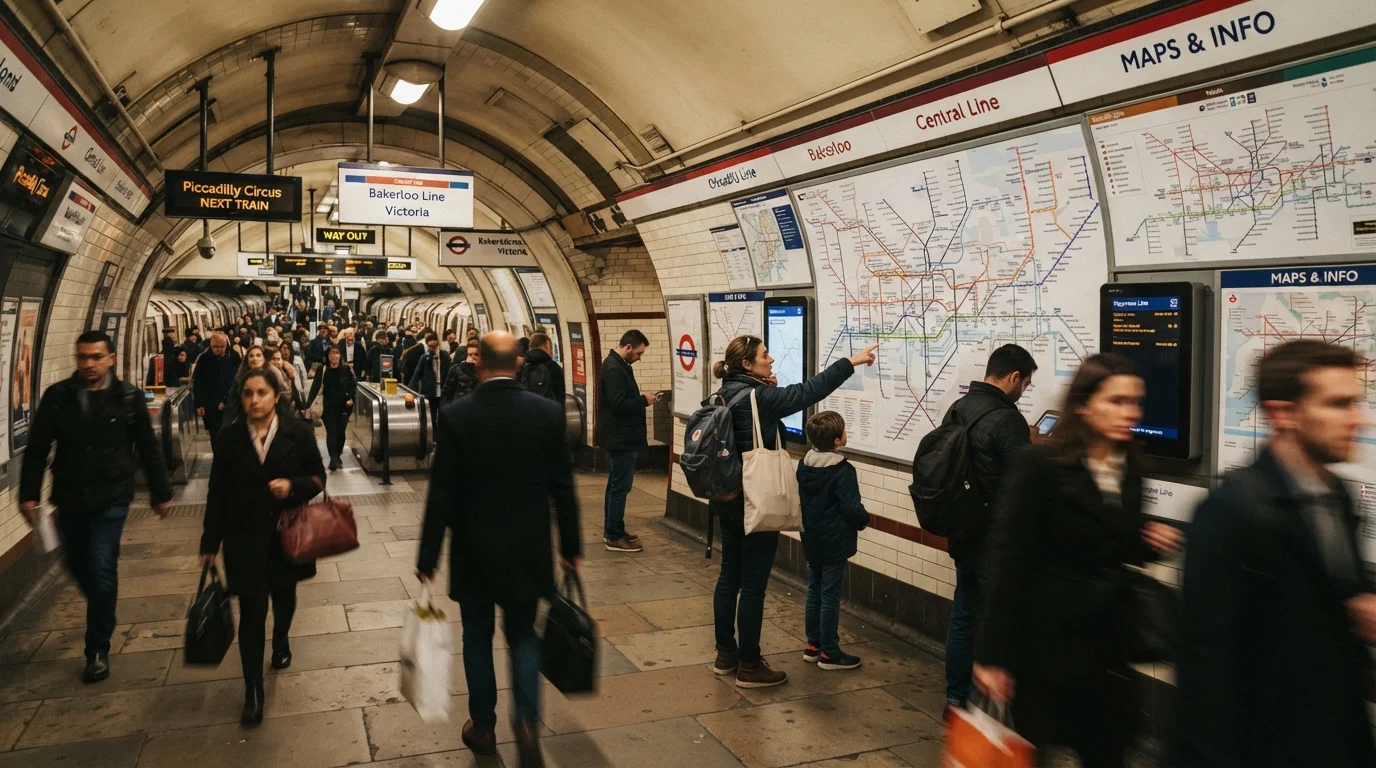
Photo credit: SearchLynk.net | Search Made Easier
In this article
A practical guide to decoding metro maps, buying passes, reading schedules, and getting around confidently in a city you've never visited.
Key Takeaways
- Research the transit system before arrival so you recognize route types, fare structures, and tap-in procedures.
- A rechargeable transit card almost always saves money and reduces stress compared to single-ride tickets.
- Offline maps and downloaded route data protect you when cell service fails underground or abroad.
- Understanding zone-based versus flat-fare systems prevents accidental overpayment or invalid-fare penalties.
- Platform signage is your primary navigation tool once you're inside a transit system.
- Public transit etiquette varies widely - observe local behavior to avoid unintentional disruptions.
Why Public Transit Fluency Matters for Travelers
Arriving in an unfamiliar city and immediately figuring out the bus or metro is one of the most genuinely useful travel skills you can build. It saves money, exposes you to neighborhoods taxis bypass, and eliminates the anxiety of being stranded. Whether you're heading into New York City's sprawling subway, navigating the Tokyo rail network, or working out the Paris Métro, the underlying principles are consistent.
Most transit anxiety comes from information overload at the wrong moment - standing in a turnstile line without knowing how to pay, or boarding a train without confirming the direction. The steps below eliminate those gaps before they happen.
What you will need
Step-by-Step: Getting Around a New City by Transit
Follow these steps in order. Most can be completed before you ever leave home, which is exactly when you want to do the heavy thinking.
Identify the transit system before you arrive
Look up the official transit authority website for your destination - not a third-party app. Confirm which modes of transit exist: subway/metro, bus, light rail, commuter rail, or ferry. Note whether a single agency runs everything or whether different networks require separate fares. This 15-minute research step prevents almost every first-day transit mistake.
Understand the fare structure and get a transit card
Determine whether the system uses flat fares, distance-based pricing, or zones. Then purchase a rechargeable transit card - available at airport kiosks, station machines, or sometimes convenience stores. Load enough credit for at least two full days of travel. Transit cards typically offer per-ride discounts compared to single-use paper tickets and work across buses and rail on most integrated systems.
Download an offline map and the official transit app
Download your city's transit map as a PDF or image file so you can reference it without a data connection. Also download the transit authority's official app if one exists - many provide real-time arrivals, trip planning, and service alerts. Set your accommodation address and the addresses of key destinations as saved locations before you land.
Read the route map before your first trip
Spend five minutes studying the map with a specific journey in mind: your accommodation to a central landmark. Identify your nearest station, which line serves it (usually color-coded and numbered), where to transfer if needed, and the terminal stop in your direction of travel - that's how you confirm you've boarded correctly. Count the stops so you can track progress even if announcements are unclear.
Navigate the station on arrival
At the station, follow signage for your line and direction - look for the terminal stop name, not an intermediate stop. Tap or insert your card at the fare gate before entering the platform. On platforms with multiple tracks, verify the direction (inbound vs. outbound, or the specific end-of-line destination) on the electronic display or posted schedule. Board calmly and note the stop count.
Handle transfers and multi-modal connections
If your journey requires switching lines or transit modes, check whether your transit card covers the transfer automatically within a time window (common in many U.S. and European cities) or whether each boarding costs separately. Follow transfer signage inside stations rather than exiting and re-entering, which can trigger an additional fare charge. For bus-to-rail transfers, the same time-window rules typically apply if you're using the same card.
Fare Structures and Common Pitfalls
Transit systems generally use one of two fare models. Flat-fare systems charge the same amount regardless of how far you travel - common in cities like Washington, D.C. (for bus) and many European metros for short-hop travel. Zone-based systems charge more as you cross into outer zones, which matters if your accommodation is far from the city center.
Always check whether your transit card requires a tap-out at the destination - failing to tap out on zone-based systems (as in London's Overground or parts of the Tokyo rail network) typically results in the maximum fare being charged automatically. This is one of the most common and avoidable mistakes first-time visitors make.
Factor transit costs into your overall trip budget early. Our travel budgeting guide walks through how to estimate ground transportation costs alongside accommodation and activities.
Multi-Day Passes Often Pay for Themselves
If you're planning four or more transit trips per day, a 24-hour or 72-hour unlimited pass frequently costs less than individual fares. Calculate your expected daily trip count during trip planning, not at the ticket machine when lines are forming behind you. Many transit authorities list pass options clearly on their official websites.
Transit Etiquette and Practical Safety
Behavioral norms on public transit are culturally specific and worth knowing ahead of time. In Tokyo, phone calls on trains are considered disruptive - passengers text instead. In many European cities, validating your ticket before boarding (not at the gate) is the standard, and inspectors do check. In U.S. cities, priority seating near doors is reserved for elderly and disabled riders - this is both a courtesy and, in some jurisdictions, a legal expectation.
From a safety standpoint, keep bags in front of you in crowded cars, be aware of your surroundings at less-trafficked stations after dark, and know the local emergency contact number for transit police. Official transit authority websites publish safety guidance specific to their system - check it before you travel.
For a broader look at what to carry and how to protect your documents while using public transit abroad, see our travel documents reference guide. More destination-specific transit guidance is available in our Destinations Guide.

Author
Travel & Trips Editorial Team
Travel & Trips Editorial Team is the collective byline for our editorial team and contributor network. Articles published under this byline or an editorial pen name are researched, written, and reviewed according to our editorial standards for clarity, consistency, and independence before publication.
View all articles →