
New York City Neighborhoods: A Practical Map for First-Time Visitors
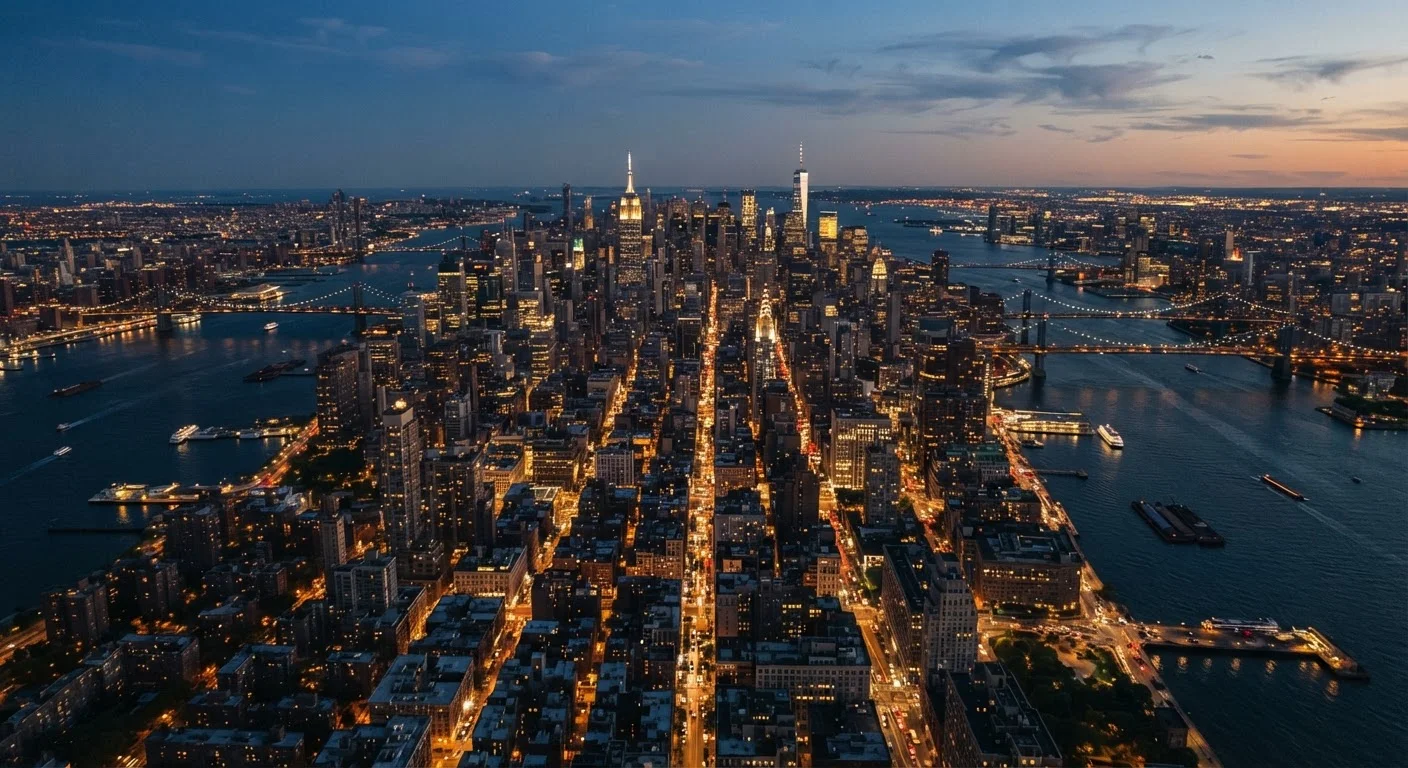
Photo credit: SearchLynk.net | Search Made Easier
In this article
From Midtown's pace to Brooklyn's character, this breakdown helps you understand NYC's neighborhoods so you can choose where to stay and explore wisely.
Why Neighborhood Choice Matters More in NYC Than Almost Any Other City
New York City is not one place - it's dozens of distinct neighborhoods stacked inside five boroughs, each with its own energy, price point, and practical tradeoffs. Where you stay shapes everything: your commute to landmarks, your noise level at night, your access to transit, and even what kind of food is within walking distance.
First-time visitors often default to Midtown Manhattan simply because it's recognizable. That's a reasonable choice, but it's not the only one - and it may not be the right one depending on your priorities. This reference guide breaks down what each major area is actually like to navigate and experience, so you can make an informed decision before you book.
If you're curious how this kind of neighborhood logic compares to another major global city, see our honest look at navigating Paris for a useful contrast.
Manhattan Neighborhoods at a Glance
Manhattan is the borough most visitors picture when they think of NYC. It's divided informally into Lower Manhattan, Midtown, and Upper Manhattan, each functioning quite differently.
Midtown (34th-59th Streets)
This is the commercial and tourist core - Times Square, Grand Central, the Empire State Building, and most major hotels are here. It's convenient but loud, crowded, and expensive. Foot traffic peaks during the day; the area quiets (though never truly silent) after business hours. Transit access is excellent.
Lower Manhattan and the Financial District
South of Chambers Street, this area includes Wall Street, the 9/11 Memorial, and ferry access to the Statue of Liberty. It's quieter on weekends than Midtown and slightly less expensive for hotels. Many visitors underestimate how walkable this area is to Brooklyn Bridge and the waterfront.
Greenwich Village and the West Village
These adjacent neighborhoods offer tree-lined streets, independent restaurants, and a more residential feel. They're well-served by subway but farther from major Midtown attractions. Good option if you prefer atmosphere over pure convenience.
Harlem
Located above 110th Street, Harlem has historically significant cultural landmarks and a growing dining scene. It's less expensive for accommodations and connects easily via the A, B, C, and D subway lines. Worth considering if Central Park access and cultural history are priorities.
Borough
One of five administrative divisions of New York City: Manhattan, Brooklyn, Queens, the Bronx, and Staten Island. Each borough has distinct neighborhoods and a different character.
The Subway
NYC's underground (and sometimes elevated) rail transit network, operated by the MTA. It runs 24 hours a day, 7 days a week - a major advantage over many other global cities.
DUMBO
An acronym for 'Down Under the Manhattan Bridge Overpass,' referring to a neighborhood in Brooklyn known for its cobblestone streets, waterfront parks, and views of the Manhattan skyline.
Outer Boroughs
A common term for the four boroughs outside Manhattan - Brooklyn, Queens, the Bronx, and Staten Island. Often less expensive and less crowded for visitors.
Brooklyn and Beyond: What the Outer Boroughs Offer
Many repeat visitors - and travelers who've done their research - choose to base themselves in Brooklyn. Neighborhoods like Williamsburg, DUMBO, and Park Slope offer genuine local character, strong subway connections to Manhattan, and often lower hotel rates.
Williamsburg
A 10-15 minute L train ride from Manhattan's 14th Street, Williamsburg has a dense concentration of restaurants, bars, and independent shops. It's a practical base for visitors who want easy Manhattan access without the Midtown atmosphere.
DUMBO (Down Under the Manhattan Bridge Overpass)
DUMBO sits directly under the Manhattan and Brooklyn Bridges, offering some of the most photographed views of the Manhattan skyline. It's compact, walkable, and connects easily via the A/C trains at High Street. Tends to be quieter than Williamsburg on weekday evenings.
Queens, the Bronx, and Staten Island
Queens - particularly Long Island City - offers Manhattan skyline views at lower costs and direct 7 train access. The Bronx is home to Yankee Stadium and the New York Botanical Garden. Staten Island is less practical for most visitors without a car, though the free Staten Island Ferry offers memorable harbor views. These boroughs reward travelers willing to venture off the standard tourist circuit.
Note: Travel times, transit lines, and neighborhood conditions can change. Verify current MTA service maps and any area-specific travel advisories before your trip.

Author
Travel & Trips Editorial Team
Travel & Trips Editorial Team is the collective byline for our editorial team and contributor network. Articles published under this byline or an editorial pen name are researched, written, and reviewed according to our editorial standards for clarity, consistency, and independence before publication.
View all articles →