
Traveling During Peak Season vs. Off-Season: A Practical Trade-Off Guide
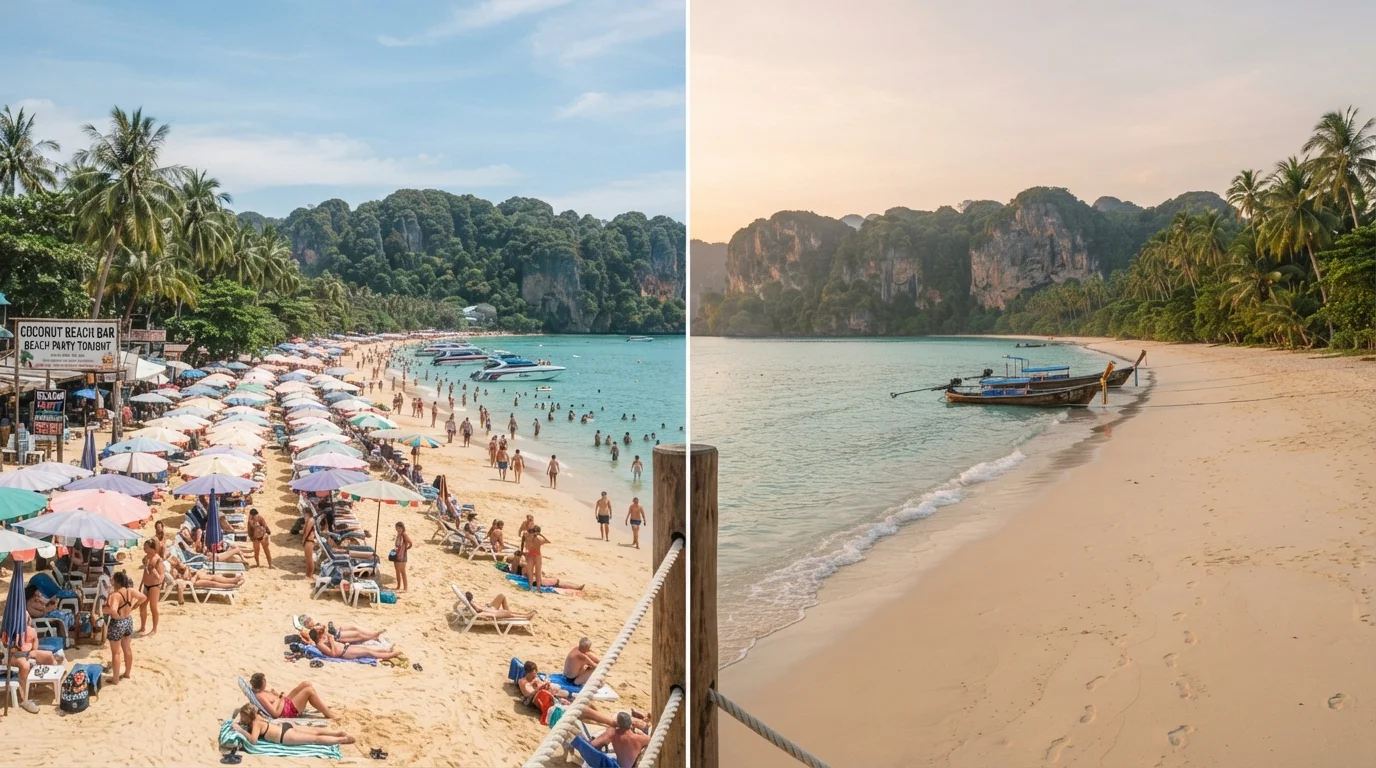
Photo credit: SearchLynk.net | Search Made Easier
In this article
Crowds, pricing, weather, and access all shift with the season. Here's how to think through timing before you commit to dates.
Key Takeaways
- Peak season guarantees better weather and full access to attractions but typically means higher prices and larger crowds.
- Off-season travel often reduces costs significantly, but some services, sites, or accommodations may be limited or closed.
- Shoulder season - the period between peak and off - frequently offers a middle ground worth considering.
- The right timing depends on your priorities: budget, weather tolerance, crowd sensitivity, and flexibility.
- Always verify current conditions, entry requirements, and local schedules with official sources before booking.
What Peak Season and Off-Season Actually Mean
Peak season refers to the period when visitor numbers at a destination are at their highest - typically driven by favorable weather, school holidays, or cultural events. Off-season is the opposite: the window when tourist traffic is lightest, often due to heat, rain, cold, or limited local programming. A third category, shoulder season, sits between the two and is worth treating as a distinct option.
These labels are relative. The Maldives' off-season coincides with monsoon rains; the Outer Banks of North Carolina empties out in winter due to cold temperatures. A mountain ski town may treat mid-summer as off-season even while it attracts hikers. The key is that peak and off-peak are destination-specific - there's no universal calendar. Before timing your trip, research what defines each season at your specific destination. See how destination research fits into the broader planning process for a useful starting framework.
The Case for Traveling During Peak Season
Peak season exists for a reason: conditions are usually at their most hospitable. Beaches are swimmable, mountain passes are open, outdoor festivals are running, and local infrastructure is fully operational. For first-time visitors who want to see a place at its most complete, peak season reduces the risk of disappointment.
Practically, peak season also means more flight options, longer business hours, and staff-to-visitor ratios that work in your favor at hotels and tours - even if demand is high. Families with school-age children often have no choice but to travel during peak windows, making this the only realistic option regardless of the trade-offs.
Book Anchor Elements Early in Peak Season
During peak season, the highest-demand items - popular hotels, guided tours, timed-entry tickets to major sites - sell out first and earliest. Identify your two or three must-have experiences and secure those before filling in the rest of your itinerary. Everything else can be planned around your anchors.
The main cost is literal: flights, hotels, and activities frequently command a premium during peak periods. Crowds at major attractions can be significant enough to affect your enjoyment. Booking windows may need to extend months in advance, reducing spontaneity. If these factors concern you, understanding how fare timing actually works can help you plan more effectively.
The Case for Traveling During Off-Season
Off-season travel can meaningfully reduce costs across flights, accommodation, and sometimes even activities - though the degree varies widely by destination. Beyond price, the experiential shift can be dramatic: popular sites become walkable, locals are less stretched, and the atmosphere often feels more authentic. Off-season timing reshapes the travel experience at many well-known destinations in ways peak-season visitors never see.
The trade-offs are real, however. Some restaurants, tour operators, or seasonal attractions may close entirely. Weather may be genuinely limiting - not just cool, but actively rainy or unsafe for certain activities. Accessibility can shrink: ferry routes, park roads, or visitor centers may operate on reduced schedules. Travelers considering off-season trips should build itineraries with more contingency built in. See how to structure flexible daily plans to account for the unexpected.
| Peak Season | Shoulder Season | Off-Season | |
|---|---|---|---|
| Typical Cost | Highest | Moderate | Often lowest |
| Crowd Levels | High to very high | Moderate | Low |
| Weather Quality | Generally best | Usually acceptable | Variable or limiting |
| Attraction Access | Fully open | Mostly open | Some closures likely |
| Booking Lead Time Needed | Months in advance | Weeks to months | Often short notice fine |
| Flexibility Required | Low - structure helps | Moderate | Higher - build contingency |
| Best Suited For | Families, first-timers | Most traveler types | Budget or crowd-averse travelers |
Shoulder Season: The Underappreciated Middle Ground
Shoulder season - typically the weeks just before or after peak - often delivers a meaningful balance. Prices begin to soften, crowds thin, and most services remain operational. Weather is usually acceptable, if not ideal. For destinations like Rome, Lisbon, or the U.S. national parks, shoulder periods in spring and fall are frequently described by frequent travelers as among the most enjoyable times to visit.
The practical challenge is that shoulder season windows vary and aren't always clearly defined. Research the specific destination: for some, it's a few weeks on either side of summer; for others, it spans months. Mountain towns are a useful case study - places that hinge on ski season have a distinct shoulder period in late spring and early fall that offers a quieter, often cheaper experience. What mountain towns offer outside ski season explores this dynamic in depth.
How to Make the Right Call for Your Trip
Start by listing your non-negotiables. If a specific activity - snorkeling, a music festival, fall foliage - is the centerpiece of your trip, the timing decision is largely made for you. If flexibility is your priority, budget and crowd tolerance should drive the choice.
Consider these questions before committing to dates:
- What does weather affect? Some trips are weather-dependent (beach, hiking, safari); others are more indoor-oriented and resilient to conditions.
- How much does budget constrain you? If cost is a major factor, allocating a fixed travel budget across each stage of the trip becomes especially important.
- What's the crowd threshold? Some travelers find crowds energizing; for others, a line at every attraction is a trip-ruiner.
- What access do you actually need? Verify which attractions, accommodations, and services operate year-round versus seasonally.
Finally, always check official government travel advisories and destination-specific tourism resources for current conditions - especially for entry requirements, health considerations, or safety updates - before finalizing any booking.

Author
Travel & Trips Editorial Team
Travel & Trips Editorial Team is the collective byline for our editorial team and contributor network. Articles published under this byline or an editorial pen name are researched, written, and reviewed according to our editorial standards for clarity, consistency, and independence before publication.
View all articles →