
Why Visiting a Destination in Its Off-Season Changes Everything
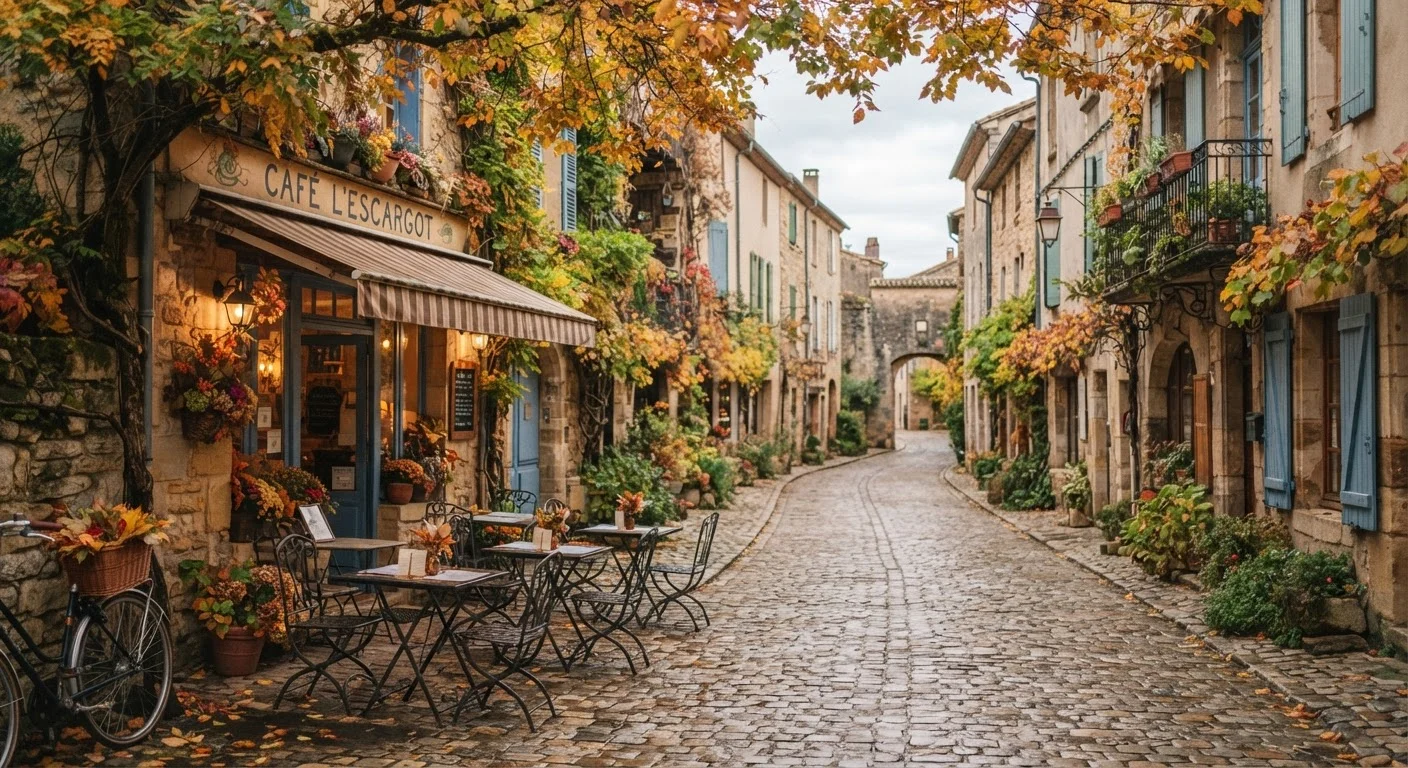
Photo credit: SearchLynk.net | Search Made Easier
In this article
Shoulder and off-peak travel shifts crowd levels, prices, and accessibility. Learn how timing reshapes the experience at popular destinations across the US and abroad.
Key Takeaways
- Off-season timing significantly reduces crowds at popular attractions and national parks.
- Lower demand often - though not always - translates to more negotiating room on accommodations.
- Some experiences, like fall foliage or winter festivals, are only available outside peak periods.
- Weather trade-offs are real: off-season conditions may involve rain, heat extremes, or limited daylight.
- Certain attractions, tours, and restaurants may close or reduce hours during low-demand periods.
- Shoulder season frequently offers the best balance of accessibility, conditions, and manageable crowds.
How Off-Season Timing Reshapes a Destination
The same city, park, or coastline can feel like an entirely different place depending on when you arrive. Off-season travel isn't just about avoiding crowds - it's about experiencing a destination closer to its ordinary rhythm, the way people who actually live there know it.
In peak season, popular sites often become performance versions of themselves: managed flows of visitors, higher prices for everything from gelato to guided tours, and the constant awareness that you're one of thousands doing the same thing at the same time. Off-season strips that away. A museum that's nearly impossible to enjoy in July might be genuinely contemplative in November. A beach resort town that's wall-to-wall visitors in August can feel almost surreal in its quiet in October.
Understanding this dynamic helps you set honest expectations before you go. See our well-planned trip guide for a broader look at how timing fits into the overall planning process.
30-50%
Typical drop in hotel occupancy rates at off-peak periods
Tourism industry research consistently shows significant occupancy drops at major destinations during low-demand months, which can increase availability and negotiating leverage for accommodations.
2-4x
Visitor volume difference between peak and off-season at top parks
National Park Service visitor data shows that some of the most popular U.S. parks - including Zion and Grand Canyon - receive several times more visitors in summer months than in their lowest-traffic months.
78%
Travelers who say crowds negatively impacted their trip experience
According to traveler surveys cited by tourism researchers, a large majority of visitors to highly popular destinations report that overcrowding was a meaningful source of trip dissatisfaction.
The Real Trade-Offs: Weather, Access, and What Might Be Closed
Off-season travel rewards flexibility, but it also demands honesty about the compromises involved. The primary reason most visitors avoid a particular window is usually weather - and that's often a legitimate concern. Visiting Iceland in January means short daylight hours and possible road closures. Traveling to Southeast Asia during monsoon season means rain, and possibly significant rain.
Beyond weather, operational hours shift. Small family-run restaurants, seasonal boat tours, and regional museums frequently reduce their schedules or close entirely during low-demand months. Even major attractions can have limited access - some wings of a museum might be closed for maintenance, or a national park's back-country permits might be unavailable.
That said, the trade-offs are rarely all one-sided. Many travelers find that the compromises on weather are worth the gains in experience quality. And shoulder season - the transitional weeks between peak and off-peak - often delivers the best of both: reasonable conditions with noticeably thinner crowds.
Verify What's Open Before You Book
Before committing to an off-season trip, contact the key attractions or experiences you're most looking forward to directly - or check their official websites - to confirm seasonal hours and any planned closures. Tourism boards for major destinations often publish seasonal availability guides. Building flexibility into your itinerary makes it easier to adapt if something is unexpectedly unavailable.
Experiences That Only Exist Outside Peak Season
Some of the most distinctive travel moments are inherently off-season phenomena. New England's fall foliage peaks in October - a time when summer beach season has wound down but winter hasn't yet arrived. Cherry blossoms in Washington D.C. draw visitors specifically to what is technically an early-spring shoulder period. Winter light festivals, harvest celebrations, and local carnivals rarely coincide with the months tour operators consider "high season."
Visiting a place during a local festival or cultural event that isn't marketed toward tourists can be one of the most memorable travel experiences available. These moments are almost always off-peak by definition - they exist for residents, not for peak-season visitor traffic.
If you're exploring less-trafficked American cities, the off-season advantage compounds further. Underrated U.S. cities like Savannah or Tucson often have mild, pleasant off-peak windows that make them especially rewarding to visit when well-known destinations are at their most chaotic.
For readers thinking through how to sequence these experiences day by day, building a flexible itinerary becomes especially important when operating hours and conditions are less predictable than in peak season. And if you want a structured comparison of timing trade-offs, the peak vs. off-season trade-off guide walks through the decision in detail.
Frequently Asked Questions

Author
Travel & Trips Editorial Team
Travel & Trips Editorial Team is the collective byline for our editorial team and contributor network. Articles published under this byline or an editorial pen name are researched, written, and reviewed according to our editorial standards for clarity, consistency, and independence before publication.
View all articles →