
Underrated US Cities That Reward Curious Travelers
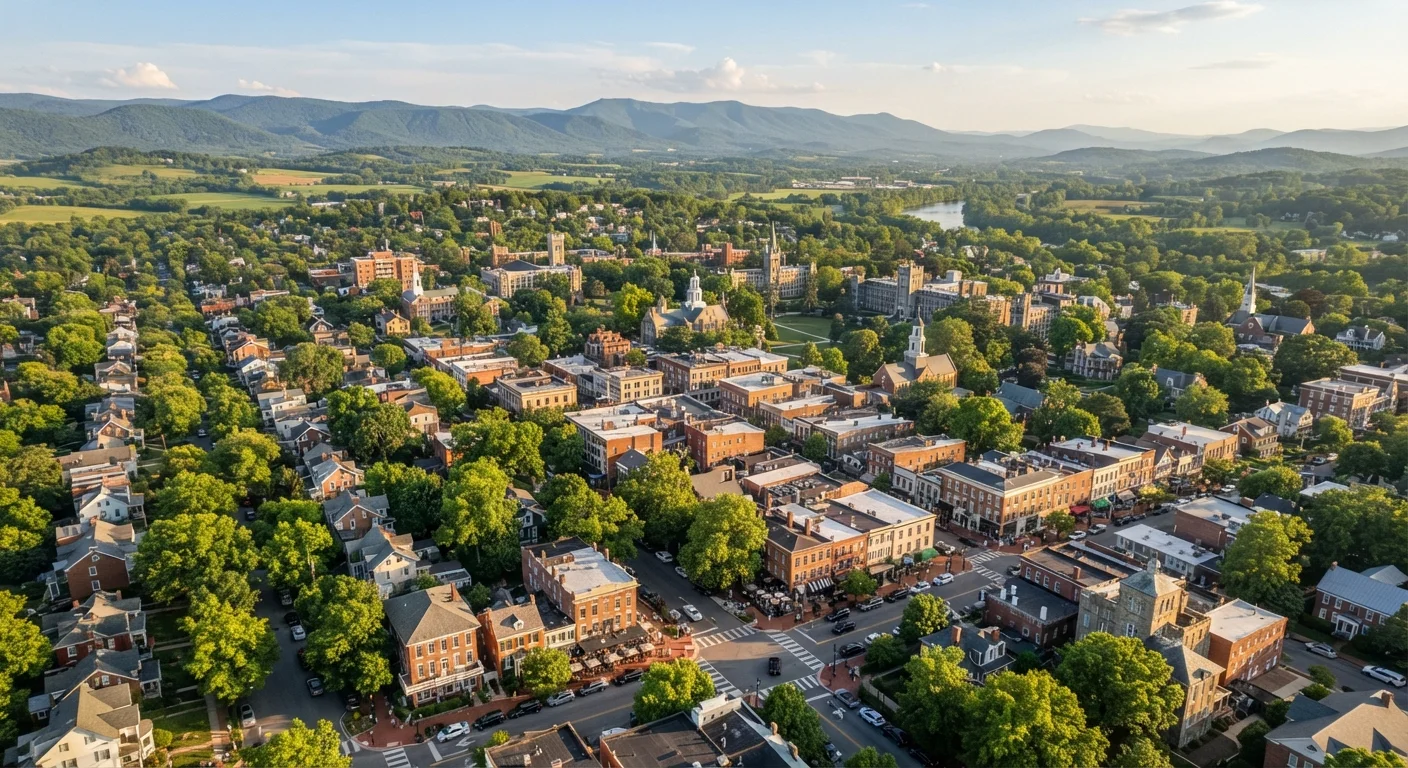
Photo credit: SearchLynk.net | Search Made Easier
In this article
Beyond the obvious American cities, places like Savannah, Tucson, and Duluth offer rich history, food culture, and character — often with fewer crowds.
Key Takeaways
- Several US cities beyond the major hubs offer rich culture, history, and food with fewer crowds.
- Each underrated destination has a distinct identity worth understanding before you arrive.
- Timing your visit and setting realistic expectations shapes how much you get out of a trip.
- Smaller cities often reward slower, more curious travel styles over packed itineraries.
Why the Less-Obvious Cities Deserve a Closer Look
American travel tends to funnel people toward the same dozen cities - New York, Chicago, Los Angeles, New Orleans - for understandable reasons. These places have iconic pull. But a growing number of travelers are discovering that some of the country's most memorable experiences happen in cities that rarely top a bucket list.
The appeal isn't just lower prices or thinner crowds, though both can be real advantages. It's that smaller, less-hyped cities often have a more coherent identity - a distinct way of life, a concentrated neighborhood culture, or a food scene that reflects genuine local history rather than tourist appetite. When you're not fighting for space at a marquee attraction, you often end up having more meaningful encounters with a place.
What follows is a closer look at several US cities that tend to reward travelers who arrive with curiosity and a willingness to explore at a measured pace. If you're still working out how to structure your days without burning out, planning a balanced itinerary is worth thinking through before you go.
Savannah, Georgia
Savannah is organized around 22 historic squares, each framed by moss-draped oaks and antebellum architecture. It's a walkable city in a way few American cities are - the squares function as neighborhood anchors, and the historic district is compact enough to explore on foot over several days.
The food scene centers on Southern coastal cooking: shrimp and grits, Low Country boil, fresh oysters from nearby waters. The city also has a strong arts presence driven in part by the Savannah College of Art and Design, which has a visible influence on local galleries and design-forward restaurants. Be aware that summers are extremely humid and can be oppressive for walking; spring and fall are more comfortable windows for most visitors.
Savannah's 22 historic squares make it one of the most genuinely walkable cities in the American South.
Tucson, Arizona
Tucson sits in the Sonoran Desert and has an identity that's distinct from the resort culture of Scottsdale or the sprawl of Phoenix. The city has deep Indigenous and Mexican cultural roots that show up throughout its food, architecture, and arts scene. UNESCO recognized Tucson as a City of Gastronomy - one of only a few in the US - reflecting a food culture built on Sonoran-style Mexican cooking, heritage ingredients like tepary beans, and a thriving local restaurant community.
Outdoor access is a major draw: Saguaro National Park flanks both sides of the city, and Mount Lemmon rises dramatically to the north, offering a cool forested escape in summer when desert heat is at its most intense. The terrain and conditions of Southwest parks can vary significantly, so checking conditions before hiking is always advisable.
Tucson's UNESCO gastronomy status reflects a food culture rooted in Indigenous and Mexican culinary heritage.
Duluth, Minnesota
Positioned at the western tip of Lake Superior, Duluth offers something genuinely rare: the feeling of being on a coastline in the middle of the continent. The lakefront is dramatic, with working ore ships passing through the harbor and a lift bridge that has become the city's most recognizable landmark.
Duluth has built a strong trail system and outdoor culture. The Superior Hiking Trail runs 310 miles along ridgelines above the lake, and the city serves as a hub for cycling, kayaking, and winter sports. The Canal Park neighborhood anchors the tourism side of the city, but the real character lives in the neighborhoods further up the hill - older architecture, independent bookstores, local breweries, and a working-class history that the city doesn't paper over.
Duluth gives travelers a rare lakefront experience on a freshwater sea, without the crowds of coastal destinations.
Providence, Rhode Island
Providence is frequently overshadowed by Boston, just an hour away, but it has its own well-established identity. The city is home to a dense concentration of colleges and universities - Brown University, Rhode Island School of Design, Johnson & Wales - that give it an unusually active arts, food, and intellectual culture for its size.
Federal Hill is the city's Italian-American neighborhood and has been a dining destination for decades, with a range of restaurants reflecting generations of immigrant foodways. WaterFire, a public art installation on the city's rivers, draws large crowds on its scheduled evenings but is worth timing a visit around. The walkable College Hill neighborhood contains one of the largest concentrations of Colonial-era architecture in the US.
Providence punches far above its weight in arts, dining, and architecture relative to its modest size.
Boise, Idaho
Boise has grown quickly over the past decade but retains a character that's more outdoors-oriented than urban. The Boise River Greenbelt runs 25 miles through the city, and the foothills immediately north provide hiking and mountain biking accessible without a car for those staying downtown. Whitewater rafting on the Boise River is possible within city limits in summer - an unusual feature for a state capital.
The food scene has developed substantially and now includes a strong farm-to-table presence driven by Idaho agriculture: potatoes, trout, lamb, lentils, and stone fruit all appear in local menus. The Basque Block, a small but historically significant neighborhood, reflects the large Basque-American community that settled in Idaho and reflects a cultural thread not found in many other American cities.
Boise's Basque Block reflects a distinct cultural heritage that sets the city apart from other Western destinations.
Chattanooga, Tennessee
Chattanooga sits at a geographic crossroads - the Tennessee River cuts through the city and the Appalachian ridges rise sharply on its edges - giving it an outdoor identity that has driven significant revitalization over the past two decades. Rock climbing at Sunset Rock and Lookout Mountain, trail running in the surrounding forests, and paddling on the Tennessee are all accessible within a short drive of the downtown core.
The Walnut Street Bridge, one of the longest pedestrian bridges in the US, connects the north and south shores and has become a social hub. The city also has a number of museums anchored along the waterfront, and a downtown that is navigable without a car in a way that surprises first-time visitors. Travelers who prefer active, slower-paced trips tend to find Chattanooga particularly well-suited to their style.
Chattanooga's combination of river access, mountain proximity, and walkable downtown is difficult to find elsewhere.
Setting Expectations Before You Arrive
Underrated cities come with trade-offs worth knowing ahead of time. Public transit is often limited, so renting a car or relying on rideshare may be necessary. Some destinations have a concentrated tourist season where accommodations fill up and prices spike - visiting in the off-season can meaningfully change the experience. And because these cities have fewer travel-focused resources, independent research tends to matter more.
It's also worth being aware that smaller cities sometimes carry hidden costs that catch visitors off guard - parking fees, limited dining options on certain days, or entrance fees for historic sites. Budgeting for overlooked travel expenses before departure reduces stress once you're there. Going in informed - not just inspired - is what separates a frustrating trip from one that delivers.
Arrive With a Flexible Plan
Underrated cities often have fewer structured tourist attractions and more neighborhood-level character - which means wandering pays off more than scheduling every hour. Build some open time into each day for unexpected discoveries, whether that's a local market, an independent museum, or a recommendation from a restaurant server. A lighter itinerary also gives you room to recover if travel delays or weather shift your plans.

Author
Travel & Trips Editorial Team
Travel & Trips Editorial Team is the collective byline for our editorial team and contributor network. Articles published under this byline or an editorial pen name are researched, written, and reviewed according to our editorial standards for clarity, consistency, and independence before publication.
View all articles →