
What Makes a Mountain Town Worth Visiting Outside of Ski Season
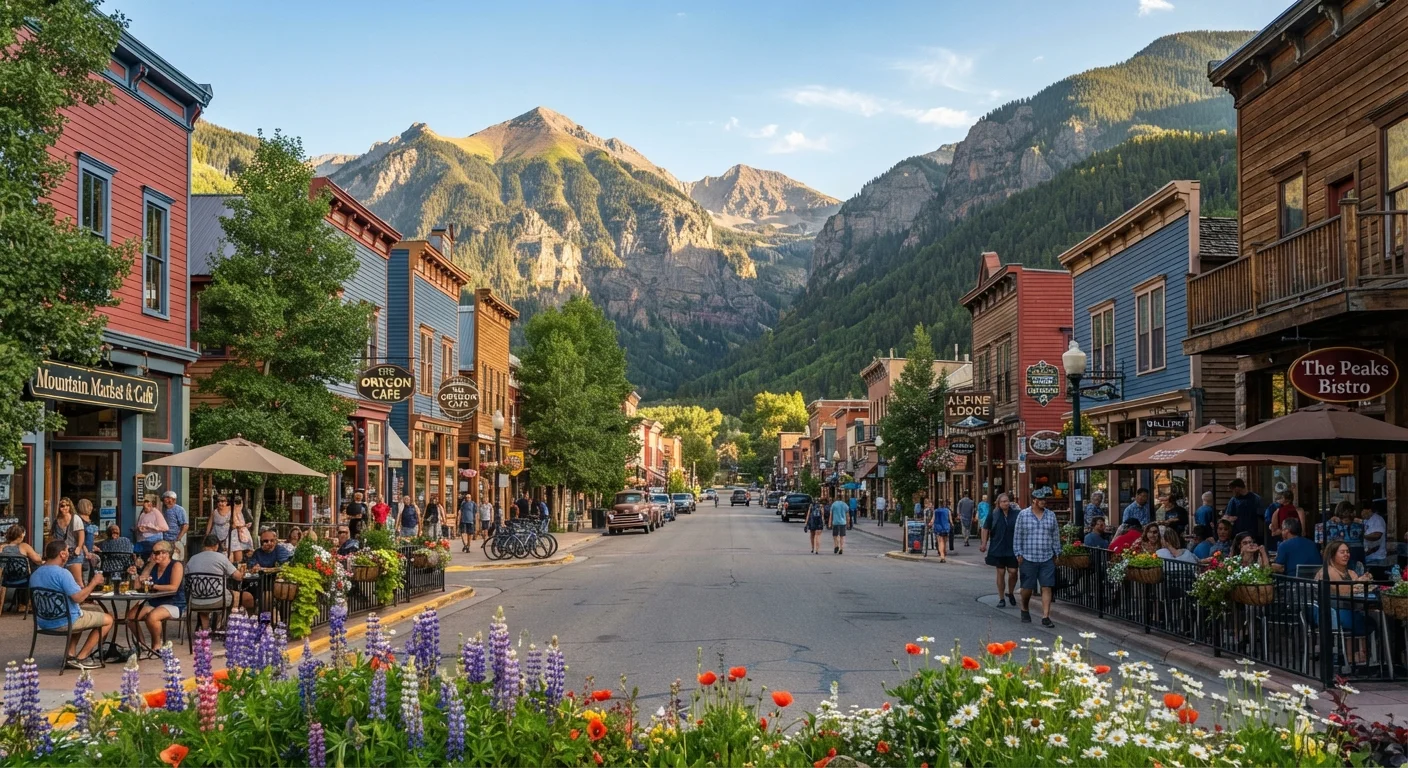
Photo credit: SearchLynk.net | Search Made Easier
In this article
Places like Aspen, Park City, and Jackson Hole have built identities beyond winter sports. Here's what draws visitors in spring, summer, and fall.
Key Takeaways
- Mountain towns with strong off-season appeal rely on year-round outdoor access, not just snow.
- Summer and fall bring hiking, cycling, festivals, and wildflower blooms to destinations like Aspen and Jackson Hole.
- Local arts, dining, and cultural programming are now central to how many ski towns market themselves year-round.
- Spring is often the quietest - and most affordable - window to visit mountain destinations.
- Verifying trail conditions, business hours, and event schedules before traveling is essential, as shoulder-season access can be unpredictable.
What Separates a Ski Town from a True Year-Round Destination
Not every mountain town earns the "year-round destination" label honestly. Some genuinely hibernate between December and March, with boarded-up storefronts and skeleton staff. Others have built a second identity so distinct that visitors who've never touched a ski boot find themselves planning repeat trips.
The difference usually comes down to three factors: landscape accessibility, cultural infrastructure, and community investment in non-ski programming. When all three are present, a town stops being a resort and becomes a destination in the fuller sense of the word.
Towns like Aspen, Colorado; Park City, Utah; and Jackson Hole, Wyoming have leaned hard into this model. Each has ski-season roots but has cultivated food scenes, arts institutions, trail networks, and event calendars that function independently of snowfall. Understanding what they've built - and how to navigate it - helps travelers set realistic expectations before they arrive.
The Outdoor Calendar Shifts, Not Shrinks
The most immediate off-season draw at any mountain town is the land itself. The same terrain that hosts ski runs in January becomes a network of hiking and mountain biking trails by July. Many resorts keep their gondolas or aerial trams running in summer specifically to give hikers and sightseers access to high-elevation terrain without the full vertical climb.
Wildflower season - typically peaking between mid-July and early August depending on elevation and snowpack - is one of the most underappreciated reasons to visit mountain destinations outside of winter. Meadows that are buried under feet of snow in February erupt in color during the warmer months.
Plan Around Events, Not Just Weather
Summer event calendars fill quickly in towns like Aspen and Telluride. If a specific festival or outdoor concert series is part of your reason for visiting, book lodging several months in advance - the same rooms that sit available in April may sell out in May once event lineups are announced. Check official town or resort event pages directly for the most current programming.
Fall introduces a second visual payoff. Aspen groves across Colorado, Utah, and Wyoming turn gold and orange beginning in late September, drawing leaf-peepers who rival winter visitor counts in some years. This window is short - sometimes only two to three weeks at peak color - so timing matters. Check with local visitor bureaus or forest service offices for real-time foliage updates before booking.
For a broader look at how seasonal timing shapes your overall experience, see this guide to peak vs. off-season travel trade-offs.
Arts, Dining, and Cultural Programming
Mountain towns have invested heavily in year-round cultural programming, partly to retain local talent and partly to attract visitors who might never book a ski trip. Aspen's Food & Wine Classic and the Aspen Music Festival are examples of events that pull national audiences in summer entirely independent of the ski industry. Park City has similarly built a reputation around the Sundance Film Festival in January and a growing summer arts calendar.
~$1.3B
Annual summer tourism spending in Colorado mountain regions
Colorado Tourism Office research has highlighted that summer visitation to mountain communities now approaches or rivals winter figures in some counties.
2-3 weeks
Peak fall foliage window at mountain elevations
Forest service and foliage tracking sources consistently note that peak aspen color at mountain elevations typically lasts only two to three weeks in late September and early October.
Restaurant scenes in these towns tend to punch above their population size. Because ski-season clientele skews affluent and food-literate, many mountain towns have attracted serious culinary talent year-round. Dining in Aspen, Jackson, or Telluride in August can be as compelling as it is in February - sometimes more so, without the shoulder-to-shoulder crowds at aprés-ski bars.
This kind of cultural depth is part of what separates mountain destinations from purely resort-driven towns. It's also worth contrasting with underrated American cities that offer similar depth of food and arts culture at a fraction of the mountain town price point.
What to Watch Out For Before You Go
Off-season mountain travel requires more advance research than peak-season visits. Trail systems at higher elevations can remain snow-covered into June, and some roads - particularly unpaved forest routes - may not open until mid-summer. Always verify conditions with the relevant national forest or park service before planning trail-specific itineraries.
Business hours contract significantly in shoulder season. Restaurants that operate seven nights a week in ski season may close two or three nights in spring or fall. Some lodging properties do close entirely for maintenance between seasons. Calling ahead or checking current operating status on a business's own website is worth the few minutes it takes.
Spring, in particular, tends to be the quietest window. That can mean lower prices and smaller crowds, but it can also mean fewer options and some trail access limitations. For travelers who want to experience a mountain town's off-season character without the logistical friction, early September through mid-October generally offers the most reliable conditions - before winter maintenance closures begin and while most businesses are still fully operational.
Travel conditions, business hours, trail access, and event schedules change seasonally and year to year. Always verify current information with official local sources, tourism boards, and relevant land management agencies before your trip.
Frequently Asked Questions

Author
Travel & Trips Editorial Team
Travel & Trips Editorial Team is the collective byline for our editorial team and contributor network. Articles published under this byline or an editorial pen name are researched, written, and reviewed according to our editorial standards for clarity, consistency, and independence before publication.
View all articles →