
The American Southwest's Iconic National Parks: What Each One Actually Demands of You
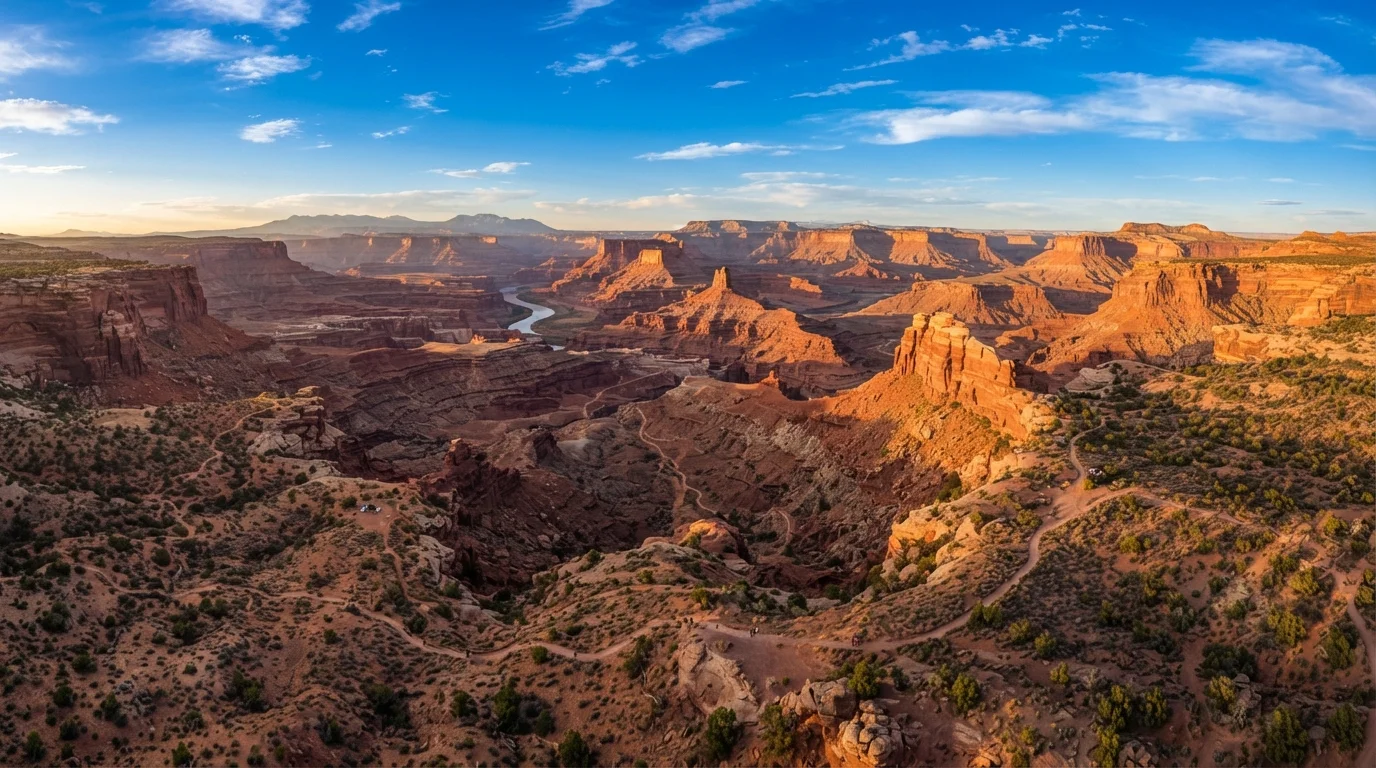
Photo credit: SearchLynk.net | Search Made Easier
In this article
The Grand Canyon, Zion, Bryce, and Arches are neighboring but very different parks. Here's what terrain, crowds, and conditions look like at each one.
Key Takeaways
- Grand Canyon is iconic but physically demanding - most visitors see only the rim, which is still worthwhile.
- Zion's Narrows and Angels Landing require advance permits and significant physical preparation.
- Bryce Canyon offers the most accessible dramatic scenery, with short rim walks yielding stunning hoodoo views.
- Arches has the most sun exposure and least shade - heat management is critical, especially in summer.
- Crowds peak from April through October at all four parks; early morning arrivals make a meaningful difference.
Why These Four Parks Aren't Interchangeable
The Grand Canyon, Zion, Bryce Canyon, and Arches National Parks can technically be visited in a single road trip loop through Utah and northern Arizona. But treating them as interchangeable stops on a checklist does a disservice to each one - and to the traveler. They differ fundamentally in terrain type, crowd density, physical requirements, and what a visitor actually experiences on the ground.
Understanding these differences before you go helps you set realistic expectations, pack the right gear, and avoid the most common trip-planning mistakes. For a broader look at destinations that reward thoughtful preparation, see our guide to underrated U.S. travel destinations.
| Grand Canyon | Zion | Bryce Canyon | Arches | |
|---|---|---|---|---|
| Signature experience | Rim views; multi-day canyon descent | Slot canyons; exposed ridge hikes | Hoodoo amphitheaters; rim walks | Freestanding arches; open desert |
| Physical demand (rim/easy level) | Low (rim only) | Moderate | Low to moderate | Low to moderate |
| Physical demand (full experience) | Very high; multi-day backpack | High; steep scrambling | Moderate; steep short descents | Moderate; heat is primary challenge |
| Permit required | Yes (inner canyon camping) | Yes (Angels Landing, Narrows) | No (most trails) | No (most trails) |
| Primary hazard | Heat, elevation change, overexertion | Exposure, flash floods, cold water | Altitude, sudden weather changes | Extreme heat, sun exposure |
| Peak crowd period | Mar-Oct | Apr-Oct | May-Sep | Apr-Oct |
| Best low-crowd window | Nov-Feb (cold) | Nov-Mar (cold, icy) | Oct-Nov; Mar-Apr | Nov-Feb (cold) |
Grand Canyon: Scale That Requires a Strategy
The South Rim sits at roughly 7,000 feet elevation, and the canyon drops nearly a mile to the Colorado River below. Most visitors never descend - and that's a reasonable choice. The rim viewpoints, accessible via the free shuttle system, deliver genuinely awe-inspiring panoramas without a single strenuous step.
Descending into the canyon is a different undertaking entirely. Trails like Bright Angel and South Kaibab are well-maintained but relentless - you hike down first, which means you face the hardest climbing when you're already tired and the midday heat is rising. The National Park Service consistently warns that hiking to the river and back in a single day is not recommended. Visitors should treat inner-canyon hiking as a multi-day backpacking trip requiring a permit, reserved campsites, and serious heat management.
The North Rim offers a quieter, cooler experience and is typically open only from mid-May through mid-October. Verify current seasonal operating dates with the National Park Service before planning around it.
The 'Turn Around' Rule for Inner Canyon Hikes
A practical guideline used by experienced canyon hikers: turn around when you've consumed one-third of your water, even if you haven't reached your goal. Going down into the Grand Canyon is deceptively easy - the hard work comes on the way back up, in hotter conditions. Starting earlier than feels necessary (before sunrise for summer hikes) is not overcautious; it's standard practice for anyone descending below the rim.
Zion: Permits, Permits, Permits
Zion's signature hikes - Angels Landing and The Narrows - have become so popular that both now require advance permits during busy seasons. Angels Landing involves chain-assisted scrambling along an exposed ridge with significant drop-offs on both sides. It is genuinely dangerous in wet conditions and is inappropriate for those with a fear of heights or limited upper-body strength. The Narrows, by contrast, is a wade through the Virgin River inside a slot canyon - spectacular, but cold water and slippery footing demand waterproof footwear and trekking poles.
Zion Canyon itself is car-free during peak season; visitors take a mandatory shuttle from the visitor center. This reduces congestion within the canyon but means early shuttle lines can be long. The park's Kolob Canyons section, accessible from Interstate 15, sees a fraction of the crowds and offers excellent hiking with far less logistical friction.
Bryce Canyon: High Altitude, Accessible Drama
Bryce sits at elevations between 8,000 and 9,100 feet - higher than the other three parks - which keeps temperatures noticeably cooler and can catch visitors off guard. The park's famous hoodoos (tall, spire-shaped rock formations carved by frost and erosion) are visible from the rim in minutes, making this the most immediately rewarding park for visitors with limited time or mobility.
The Rim Trail connects multiple overlooks and is largely flat and paved. Short descents into the amphitheater - like the Queen's Garden and Navajo Loop trails - are manageable for most moderately fit adults and deliver close-up views of the hoodoos that rim views can't match. Snow can fall at Bryce in any month, so layering is essential even in summer.
Arches: Sun, Heat, and No Shade
Arches contains more than 2,000 documented natural stone arches, including the famous Delicate Arch - a freestanding 65-foot sandstone span that has become one of the most recognized images in American landscape photography. The hike to Delicate Arch is 3 miles round-trip with 480 feet of elevation gain, almost entirely exposed to direct sunlight.
That exposure defines the Arches experience in summer. Moab, the gateway town, regularly sees temperatures above 100°F between June and August. The park has almost no natural shade. Visitors who arrive before 8 a.m. or after 5 p.m. experience dramatically better conditions. The Windows Section and Balanced Rock offer substantial payoffs with shorter walks and are good options for those conserving energy.
If you're planning a broader Southwest road trip, the mountain towns near these parks - including areas around Moab and the Colorado Plateau - can also serve as worthwhile overnight bases. For a useful contrast with parks in a wetter, greener landscape, our Pacific Northwest national parks comparison covers what to expect at Rainier, Olympic, and North Cascades.

Author
Travel & Trips Editorial Team
Travel & Trips Editorial Team is the collective byline for our editorial team and contributor network. Articles published under this byline or an editorial pen name are researched, written, and reviewed according to our editorial standards for clarity, consistency, and independence before publication.
View all articles →