
National Parks in the Pacific Northwest: What Olympia, Rainier, and North Cascades Are Really Like
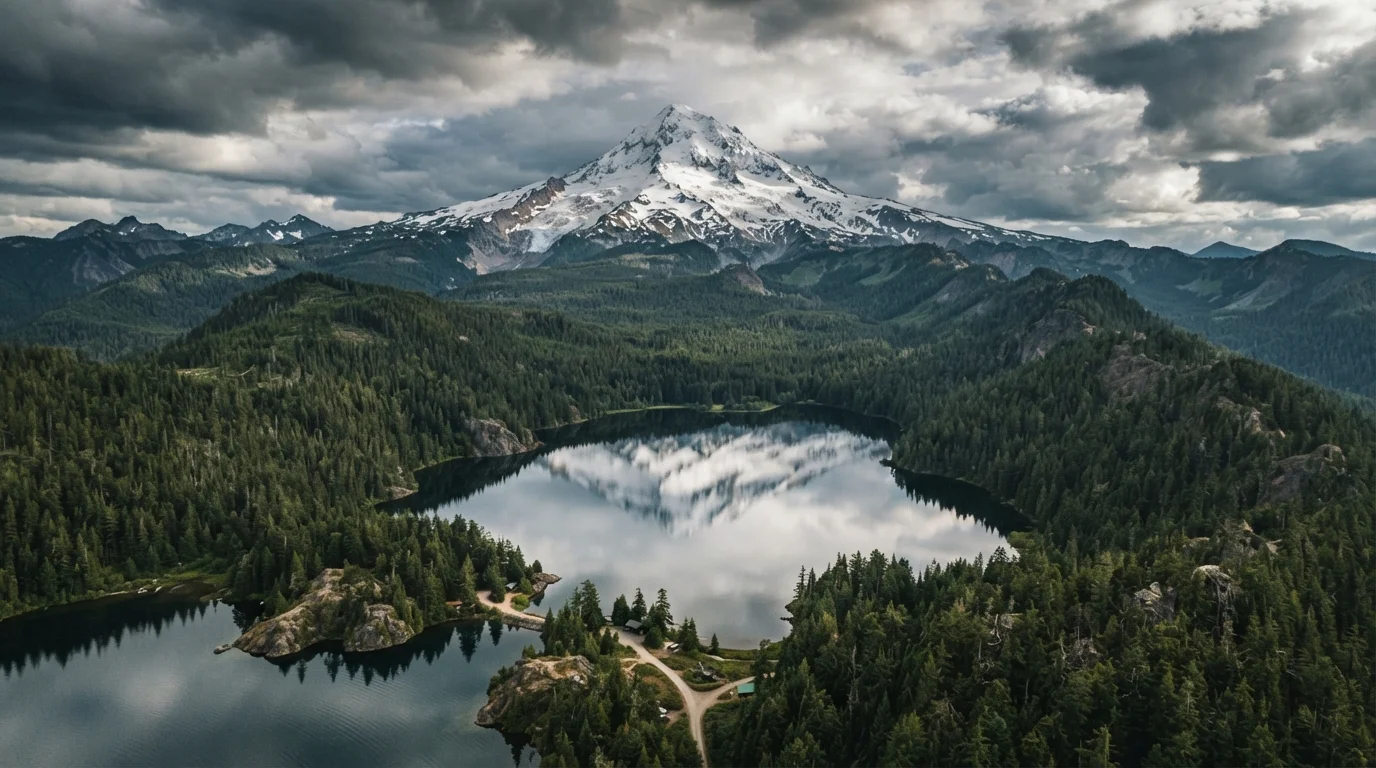
Photo credit: SearchLynk.net | Search Made Easier
In this article
- Three Parks, One State - But Very Different Experiences
- Olympic National Park: Rain Forest, Coastline, and Alpine Terrain in One Place
- Mount Rainier National Park: Glacier Travel and Serious Weather
- North Cascades National Park: The Least Visited and Most Remote
- Practical Planning: What All Three Parks Require
Washington State's three national parks share a region but little else. Learn what makes each one distinct and what conditions travelers should prepare for.
Three Parks, One State - But Very Different Experiences
Washington State holds three national parks within its borders: Olympic, Mount Rainier, and North Cascades. They sit within a few hours of each other, yet a traveler who has visited one has not, in any meaningful sense, prepared for the others. Each park has distinct terrain, visitor infrastructure, weather patterns, and physical demands. Understanding those differences before you go will shape your packing list, your itinerary, and your expectations.
If you are curious how this kind of park-by-park preparation applies to other regions, the same framework applies to desert parks - see our guide to the American Southwest's iconic national parks for a comparable breakdown.
| Olympic NP - Annual Precipitation (Hoh Rain Forest) | ~140 inches (12 feet) per year (National Park Service) |
| Mount Rainier - Summit Elevation | 14,411 feet above sea level (USGS) |
| North Cascades - Named Glaciers | More than 300 (largest concentration in lower 48) (National Park Service) |
| Olympic NP - Ecosystems | 3: temperate rain forest, wild coastline, alpine interior (National Park Service) |
| North Cascades Highway (SR 20) | Closed seasonally, typically November through spring (Washington State DOT) |
| Mount Rainier - Named Glaciers | 26 (National Park Service) |
Olympic National Park: Rain Forest, Coastline, and Alpine Terrain in One Place
Olympic occupies the Olympic Peninsula and is unusual among American parks in that it contains three ecosystems in one boundary: a temperate rain forest in the Hoh and Quinault valleys, roughly 70 miles of wild Pacific coastline, and a glaciated mountain interior. Visitors who come expecting a single landscape are routinely surprised by how different one side of the park feels from another.
The Hoh Rain Forest receives an average of 12 feet of precipitation per year, making it one of the wettest places in the contiguous United States. Trails here are mossy, soft, and often muddy regardless of season. The coastal strip - accessible from spots like Rialto Beach and Ruby Beach - requires tide-table awareness; some coastal trail sections are only passable at low tide. The interior mountain zone, accessed via Hurricane Ridge, offers subalpine meadows and occasional wildlife sightings but can experience snow as late as June and as early as September.
Road access to different sections of Olympic is not connected internally - you must drive around or through the park perimeter to move between ecosystems, which means a single day cannot cover all three zones comfortably.
Coastal Trail Timing Matters at Olympic
Sections of Olympic's coastal trail between Rialto Beach and Hole-in-the-Wall - and the longer Ozette Triangle route - are only safely passable during low tide windows. Attempting these sections at high tide can result in being stranded. Always consult a current tide table, available free from NOAA's online tide prediction tool, before heading out on any coastal route in the park.
Mount Rainier National Park: Glacier Travel and Serious Weather
Mount Rainier is the most heavily visited of Washington's three national parks, and it draws two very different types of visitors: day hikers and picnickers who access the Paradise and Sunrise visitor areas, and serious mountaineers attempting the summit. Understanding which experience you are planning for is essential before arrival.
The Skyline Trail loop from Paradise and the Burroughs Mountain Trail from Sunrise are among the most accessible high-elevation walks in the Northwest and remain genuinely spectacular. But Rainier is also home to 26 named glaciers, and the mountain generates its own weather - cloud cover and precipitation can arrive with very little warning even on mornings that begin clear. The summit at 14,411 feet requires technical mountaineering permits and equipment; it is not a casual hike under any conditions.
Road access at Rainier is seasonal. The road to Sunrise typically opens in early July and closes in fall; Paradise is open year-round but subject to closure during winter storms. Always check National Park Service road condition pages before departure.
~2 million
Annual visitors to Mount Rainier NP
Mount Rainier is the most visited of Washington's three national parks, according to National Park Service visitation data.
~140 in.
Annual rainfall in the Hoh Rain Forest
The Hoh Rain Forest in Olympic National Park is one of the wettest locations in the contiguous United States, per National Park Service records.
Top 10
Least-visited large national parks (North Cascades)
North Cascades consistently ranks among the least visited parks in the lower 48 states, a reflection of its remote access rather than its scenery.
North Cascades National Park: The Least Visited and Most Remote
North Cascades consistently ranks among the least visited national parks in the contiguous United States, not because it lacks beauty - it is frequently described as America's most dramatic alpine scenery - but because access is genuinely difficult. The park complex has minimal paved road infrastructure, no large visitor centers within the core wilderness, and requires either a drive along the North Cascades Highway (State Route 20, closed in winter) or multi-day backcountry entry.
The park contains more glaciers than any other area in the lower 48 states outside of Alaska. Day visitors typically stop at the Diablo Lake Overlook or the Skagit River corridor along SR 20, which offer striking views without deep wilderness entry. But the interior - accessible only by trail or boat - demands backcountry permits, bear canisters, and navigation skills. Wilderness conditions here are comparable to Alaska-level remoteness in terms of self-sufficiency requirements.
For travelers who want dramatic contrasts across very different landscapes, exploring parks across regions can be eye-opening - much as Hawaii's islands differ sharply from each other, Washington's three parks reward travelers who research before assuming.
Practical Planning: What All Three Parks Require
Regardless of which park you visit, several preparation points apply across all three. Weather in the Pacific Northwest is highly variable and often unpredictable - layered clothing, waterproof outer shells, and waterproof footwear are standard, not optional. Cell service is limited to absent in most park areas; download offline maps before leaving a town with reliable data.
All three parks require a federal recreation pass or per-vehicle entrance fee. Timed-entry permits have been implemented at various points during peak season at Olympic and Rainier - verify current requirements at nps.gov before finalizing travel dates, as these policies change seasonally. Backcountry camping at all three parks requires advance wilderness permits, which can book out months ahead during summer.
Wildlife is present throughout all three parks. Black bears are common; follow food storage regulations, which are mandatory and enforced. Mountain goats are frequently seen at Rainier and Olympic. Keep a safe distance from all wildlife and avoid feeding animals.
Temperate Rain Forest
A forest ecosystem in a mild climate zone that receives extremely high annual precipitation, producing dense vegetation, heavy moss coverage, and year-round wet conditions. The Hoh Rain Forest in Olympic National Park is one of North America's best examples.
Timed-Entry Permit
A reservation required to enter a park or specific area during a defined time window, used to manage visitor numbers during peak season. Travelers without a permit during required periods may be turned away at the entrance.
Bear Canister
A hard-sided, bear-resistant food storage container required for backcountry camping in many wilderness areas. It prevents bears from accessing food, reducing dangerous wildlife encounters and habituation.
Subalpine Zone
The ecological band just below the treeline on a mountain, characterized by meadows, wildflowers, scattered trees, and a short growing season. Conditions here shift rapidly with weather and elevation.
Federal Recreation Pass
An annual pass issued by the U.S. federal government that covers entrance fees at national parks, national forests, and other federal lands. It is often more economical for visitors planning multiple park visits within a year.

Author
Travel & Trips Editorial Team
Travel & Trips Editorial Team is the collective byline for our editorial team and contributor network. Articles published under this byline or an editorial pen name are researched, written, and reviewed according to our editorial standards for clarity, consistency, and independence before publication.
View all articles →