
Hawaii's Islands Are Not All the Same - Here's What Sets Each One Apart
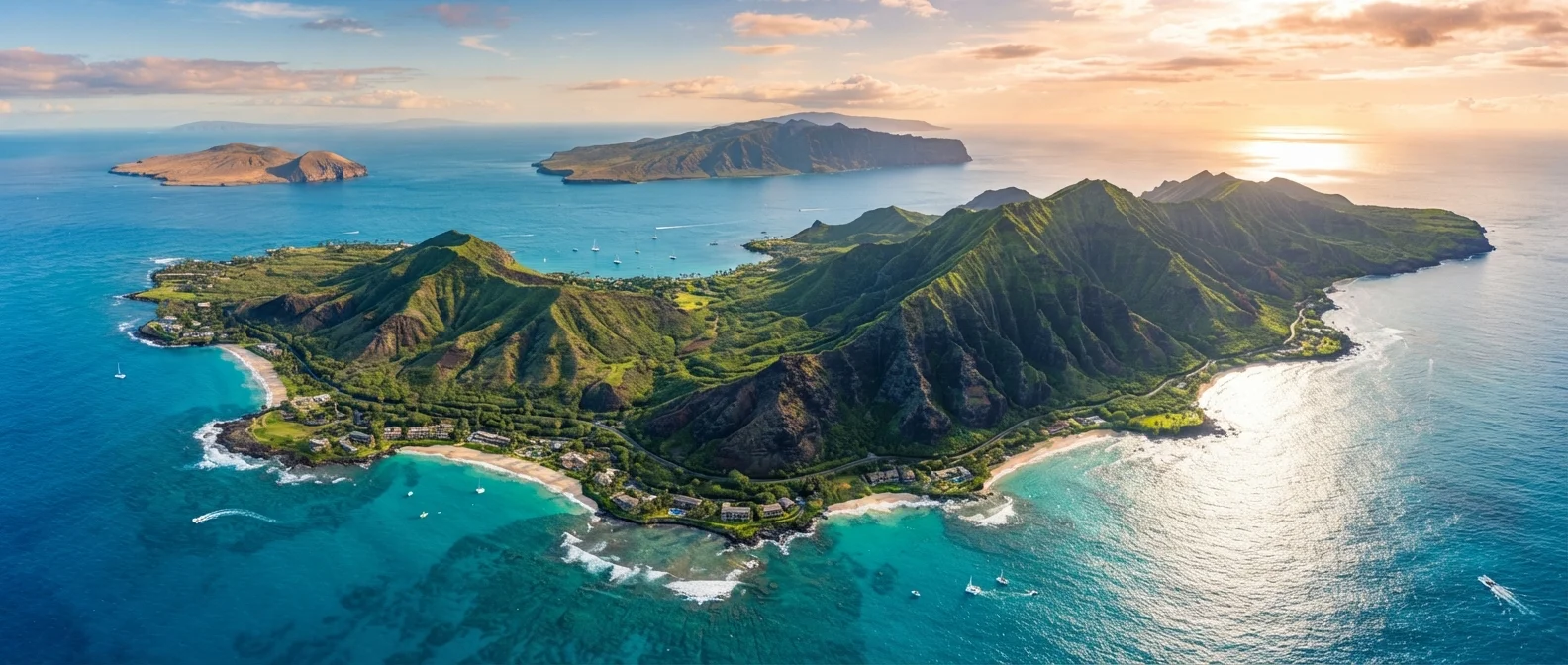
Photo credit: SearchLynk.net | Search Made Easier
In this article
Oahu, Maui, Kauai, and the Big Island each offer a distinct experience. Understand what makes each Hawaiian island unique before you plan your trip.
Key Takeaways
- Oahu is the most developed island, offering the widest range of urban amenities, nightlife, and historic sites.
- Maui balances resort infrastructure with natural beauty, making it a popular choice for honeymooners and beach lovers.
- Kauai is the most rugged and remote of the main islands, favored by hikers and nature-focused travelers.
- The Big Island is the largest and most geologically active, featuring active volcanoes, diverse climate zones, and stark lava fields.
- Island-hopping is possible but adds planning complexity, cost, and travel time between stops.
- No single island is objectively the best - the right choice depends on your priorities and travel style.
Oahu: Urban Energy, History, and Iconic Beaches
Oahu is home to Honolulu, Hawaii's state capital, and carries the bulk of the state's tourism infrastructure. Waikiki Beach, Pearl Harbor's historic memorials, and Diamond Head crater are among its most recognized landmarks. If you want convenient access to restaurants, shopping districts, and a lively nightlife scene alongside tropical scenery, Oahu delivers all of it in one place.
The tradeoff is density. Oahu is the most populated island, and popular spots - especially along Waikiki - can feel crowded, particularly during peak travel periods. Travelers seeking quiet or seclusion may find the island's pace overwhelming. That said, Oahu's North Shore offers a slower, surf-culture atmosphere that feels worlds away from downtown Honolulu, so the island contains multitudes.
Start With One Island, Not Five
A common mistake is trying to visit too many islands in a single trip. Inter-island flights, hotel check-ins, and lost travel days add up quickly. Most travelers find that spending at least five to seven days on a single island produces a far more memorable experience than rushing through several. If you want to island-hop, consider a return trip rather than cramming multiple stops into one itinerary.
Maui: The Middle Ground Between Luxury and Nature
Maui is frequently described as offering the most balanced Hawaiian experience - enough resort amenities to satisfy comfort-seekers, enough natural drama to satisfy adventurers. The Road to Hana, Haleakala National Park's volcanic crater, and the whale-watching opportunities in Maui's waters (seasonal) are all genuine highlights.
West Maui's resort corridor around Ka'anapali and Wailea tends toward the upscale end, while the upcountry region offers farms, cooler temperatures, and a distinctly different pace. Maui consistently ranks among the most visited Hawaiian islands, which means that like Oahu, popular roads and viewpoints can see heavy traffic. Visiting key sites early in the morning or later in the afternoon helps.
4
Main islands most visitors choose between
Oahu, Maui, Kauai, and the Big Island account for the vast majority of Hawaii's visitor arrivals, according to the Hawaii Tourism Authority.
11 of 13
World climate zones found on the Big Island
The Big Island's dramatic elevation range and geography allow it to host nearly every major climate type found on Earth, making it uniquely diverse.
~60 miles
Length of the Na Pali Coast sea cliffs, Kauai
Kauai's Na Pali Coast stretches roughly 17 miles of dramatic sea cliffs along the island's northwest shore, much of which is inaccessible by road.
Kauai: Hawaii's Wild, Rugged Garden Island
Kauai earns its nickname - the Garden Isle - honestly. The island's interior is so mountainous and wet that much of it remains roadless and accessible only by helicopter or on foot. The Na Pali Coast, a series of towering emerald sea cliffs, is one of the most dramatic coastal landscapes in the United States. Waimea Canyon, sometimes called the Grand Canyon of the Pacific, cuts deep into the island's western interior.
Kauai is smaller than Oahu or Maui and has deliberately limited large-scale resort development. The result is an island that feels authentically wild. It's the strongest choice for travelers whose priority is hiking, kayaking, and immersing themselves in undisturbed nature. Its infrastructure is more limited, however, so travelers who need a wide variety of dining or entertainment options may find it lacking compared to Oahu. Those who prefer self-guided exploration over organized itineraries will find Kauai especially rewarding - see how independent travel compares to package tours when deciding how to approach it.
The Big Island: Scale, Geology, and Extreme Diversity
Hawaii Island - the Big Island - is larger than all the other Hawaiian islands combined, and that size produces an almost implausible range of environments. Within a single day, you can move from a black-sand beach to a tropical rainforest, across dry lava fields, and up to the snow-capped summit of Mauna Kea. The island contains 11 of the world's 13 climate zones.
Hawaii Volcanoes National Park is the centerpiece attraction - an active volcanic landscape where Kilauea continues to shape the island. Conditions and accessible areas within the park change based on volcanic activity, so checking the National Park Service's current advisories before visiting is essential. The Big Island suits travelers who are curious, patient, and willing to cover ground - distances between the Kona Coast, Hilo, and Volcano Village are substantial.
Just as Washington's national parks each demand different preparation - as explored in our guide to Pacific Northwest national parks - the Big Island rewards travelers who research microclimates and plan logistics in advance.
How to Match Your Travel Style to the Right Island
Rather than asking which Hawaiian island is the best, ask which one fits your priorities. Travelers who want walkable urban amenities, access to historical sites, and the broadest range of services should lean toward Oahu. Those prioritizing beach resorts and a polished but still scenic experience typically find Maui meets their expectations. Hikers and nature enthusiasts are most consistently satisfied on Kauai. And travelers who value geological wonder, sheer variety of landscape, and a sense of discovery tend to find the Big Island unlike anywhere else they've been.
If this is your first time choosing between island-style destinations, the same logic applies as when comparing island chains elsewhere - as outlined in our Caribbean island comparison guide. The point is always to align the destination's character with your own travel values, not to choose based on name recognition alone.
Verify Entry Requirements and Conditions Before You Travel
Conditions at specific natural sites - including national parks, state parks, and coastal access points - can change due to volcanic activity, weather, or conservation closures. Always check with official sources such as the National Park Service and Hawaii's Division of State Parks before finalizing plans. Entry and safety conditions should be verified directly with the relevant authority, not assumed based on prior visits or online reviews.
Frequently Asked Questions

Author
Travel & Trips Editorial Team
Travel & Trips Editorial Team is the collective byline for our editorial team and contributor network. Articles published under this byline or an editorial pen name are researched, written, and reviewed according to our editorial standards for clarity, consistency, and independence before publication.
View all articles →