
Caribbean Islands Side by Side: Climate, Character, and Crowd Levels Explained
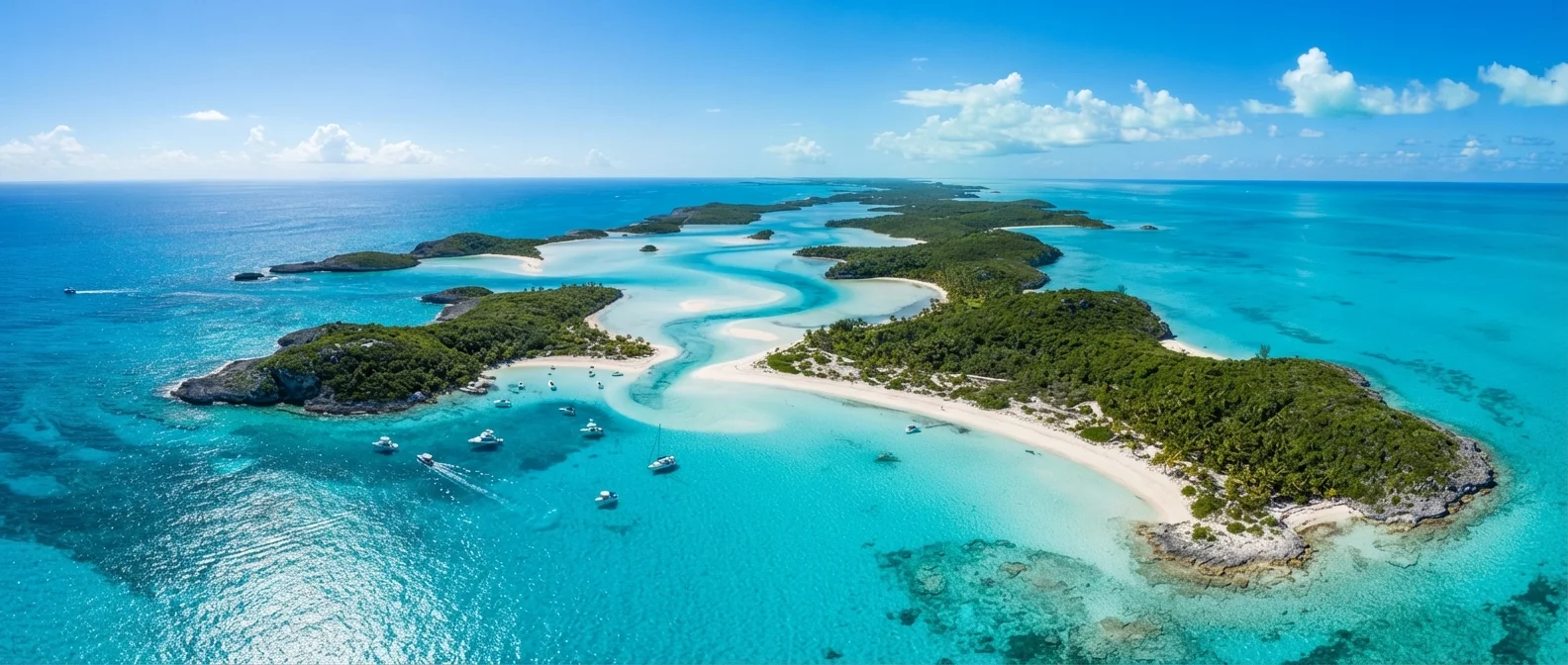
Photo credit: SearchLynk.net | Search Made Easier
In this article
The Caribbean isn't one destination — it's dozens. This guide compares major islands by atmosphere, accessibility, terrain, and what kind of traveler each suits.
Key Takeaways
- No two Caribbean islands are alike - terrain, culture, crowd levels, and climate vary significantly across the region.
- Aruba sits outside the hurricane belt, making it a reliable year-round destination; most other islands face peak storm risk from June through November.
- Jamaica and the Dominican Republic offer the broadest range of resort options and direct U.S. flight connections.
- St. Barts and Turks & Caicos draw luxury travelers, while Puerto Rico and Barbados offer more independent exploration.
- Matching the right island to your travel style matters more than simply picking the most popular option.
Why the Caribbean Isn't One Destination
Most travelers picture the Caribbean as a single postcard - turquoise water, white sand, rum drinks. In reality, the region encompasses more than 7,000 islands spread across roughly 1,000 miles of ocean, and the differences between them are substantial. St. Lucia is mountainous and rainforest-draped; Aruba is flat and desert-dry. The Dominican Republic has a busy capital city and ski-resort-scale hotel zones; St. Barts is quiet, boutique-oriented, and dramatically expensive.
Understanding these contrasts before you book matters. The wrong island for your travel style can mean unexpected rain in what you thought was dry season, crowds you weren't prepared for, or a landscape that doesn't match your itinerary. Just as Hawaii's islands each offer distinct experiences, Caribbean islands reward research before commitment.
| Aruba | Jamaica | Puerto Rico | St. Lucia | Turks & Caicos | Barbados | |
|---|---|---|---|---|---|---|
| Climate reliability | Very dry, low hurricane risk | Tropical, some hurricane risk | Tropical, some hurricane risk | Lush, frequent rain possible | Dry, calm, low hurricane risk | Consistent trade winds, moderate rain |
| Terrain | Flat, desert scrub | Mountains and beaches | Varied - mountains to coast | Volcanic peaks, rainforest | Low-lying coral island | Mostly flat with rolling hills |
| Crowd level (peak season) | Moderate-high | High | Moderate-high | Moderate | Low-moderate | Moderate |
| U.S. passport required | Yes | Yes | No | Yes | Yes | Yes |
| Best for | Sun seekers, couples | All-inclusive, culture | City + beach blend | Hiking, honeymooners | Luxury, snorkeling | Independent travelers |
| Direct U.S. flight access | Good | Excellent | Excellent | Moderate | Good | Moderate |
Climate Differences That Actually Affect Your Trip
The Caribbean has a broadly tropical climate, but moisture, elevation, and geography create meaningful variation. The Atlantic-facing sides of larger islands - Jamaica, Hispaniola, Puerto Rico - receive significantly more rainfall than their sheltered Caribbean coasts. Mountainous islands like Dominica and St. Lucia generate their own weather systems and can see rain even during the dry season (roughly December through April).
Aruba, Bonaire, and Curaçao sit south of the main hurricane corridor and remain relatively dry and calm year-round - wind is their dominant weather feature, not rain. Most other islands face a hurricane season from June through November, with peak activity in August and September. If you're considering an off-season trip to save money, understanding these risks is essential. Our guide to peak vs. off-season travel trade-offs covers how to weigh timing decisions practically.
Check the Windward vs. Leeward Coast
On larger Caribbean islands, the coast your resort faces matters significantly. Windward (Atlantic-facing) coasts tend to have rougher surf and more rain; leeward (Caribbean-facing) coasts are typically calmer and drier. Before booking, confirm which side of the island your accommodation sits on - this single detail can define your beach experience.
Character and Culture: What Each Island Feels Like
Island character is shaped by colonial history, local culture, size, and the tourism model each destination has built. Jamaica has a vibrant, expressive culture - reggae, jerk cooking, local markets - that exists alongside its all-inclusive resort zones. Puerto Rico, a U.S. territory, blends Spanish colonial architecture in Old San Juan with American infrastructure and no passport requirement for U.S. citizens, making it uniquely accessible.
Barbados has a long-established tourism culture with a mix of local guesthouses and upscale properties, and a food and rum heritage worth exploring beyond the beach. St. Barts operates on a different register entirely - French-influenced, vehicle-scarce, boutique-resort-driven, and oriented toward high-budget travelers. Turks & Caicos offers some of the clearest water in the Atlantic, but the island's character is deliberately quiet; it's less culturally dense and more focused on the sea itself.
Travelers seeking cultural depth, historical sites, and varied dining will generally fare better in Puerto Rico, Barbados, or Jamaica. Those seeking seclusion and natural beauty may prefer St. Lucia or the British Virgin Islands. If you're weighing the Caribbean against mainland options, our comparison of Costa Rica versus Mexico offers useful context about tropical destinations more broadly.
Crowd Levels and Accessibility
Crowd levels in the Caribbean peak between mid-December and mid-April - the traditional dry season - when northern travelers are escaping winter. This is also when prices are highest and flight options most plentiful. The Dominican Republic (particularly Punta Cana) and Cancún-adjacent islands handle mass tourism at scale, with massive resort complexes designed for high-volume visitors. Jamaica's Montego Bay and Negril operate similarly.
Smaller islands like Anguilla, Saba, or Bequia in the Grenadines see far fewer visitors - partly by design and partly because they lack the airport infrastructure for large jets. These destinations reward travelers willing to connect through a hub island. The U.S. Virgin Islands sit in the middle: accessible directly from the U.S. mainland, English-speaking, and moderately developed without the overwhelming scale of the Dominican Republic's resort corridors.
One practical note: cruise ship schedules significantly affect crowd levels on smaller islands. Days when multiple ships dock in Charlotte Amalie (St. Thomas) or Philipsburg (St. Maarten) transform those port areas entirely. Checking cruise schedules for your dates - most major lines publish these - can help you anticipate congestion at specific attractions.
Cruise Port Days Change the Experience
Popular port towns like Charlotte Amalie in St. Thomas and Philipsburg in St. Maarten can shift from relaxed to extremely crowded within hours of a ship docking. If you're staying on an island that receives cruise traffic, look up the port's published schedule for your travel dates. Planning excursions or town visits on non-ship days can dramatically improve your experience.

Author
Travel & Trips Editorial Team
Travel & Trips Editorial Team is the collective byline for our editorial team and contributor network. Articles published under this byline or an editorial pen name are researched, written, and reviewed according to our editorial standards for clarity, consistency, and independence before publication.
View all articles →