
Costa Rica or Mexico: Choosing Between Two Very Different Tropical Trips
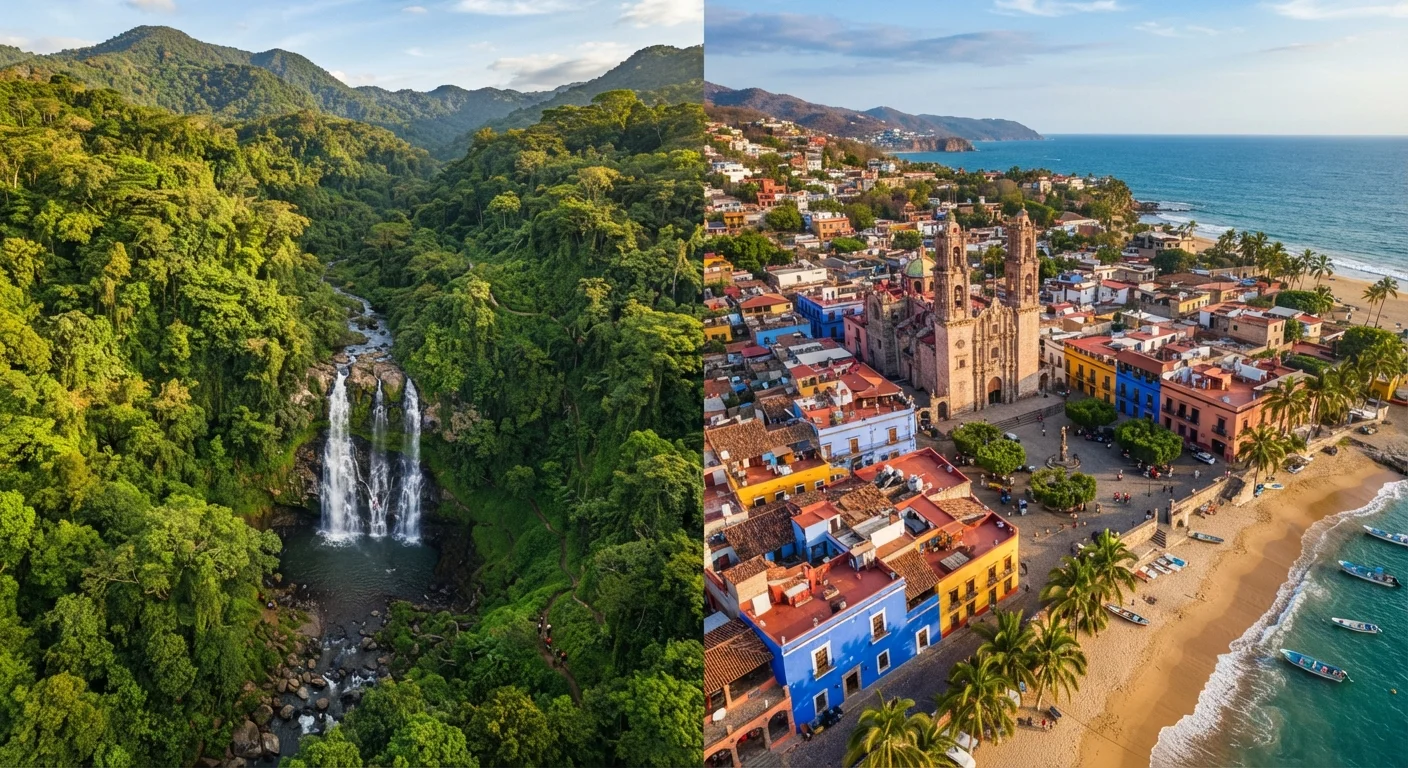
Photo credit: SearchLynk.net | Search Made Easier
In this article
Both are popular with American travelers, but Costa Rica and Mexico offer different landscapes, costs, infrastructure, and experiences. Here's how they compare.
Key Takeaways
- Mexico is generally more affordable and easier to reach from most U.S. cities than Costa Rica.
- Costa Rica's main draw is ecotourism - national parks, wildlife, and adventure activities like zip-lining and rafting.
- Mexico offers far more internal variety, from Yucatán ruins to Pacific surf towns to colonial cities.
- Costa Rica has a smaller tourism infrastructure, meaning fewer crowds in nature zones but higher costs overall.
- Both countries are popular with American travelers, but they suit very different trip goals and travel styles.
Two Tropical Destinations, Two Very Different Experiences
American travelers searching for a warm-weather escape often narrow their list to Costa Rica and Mexico - and for good reason. Both are accessible from the U.S., both offer beaches and outdoor adventure, and both are generally considered safe for tourists in their main destination zones. But that's roughly where the similarities end.
Mexico is a continent-sized experience compressed into one country. It spans ancient Maya and Aztec ruins, Pacific surf breaks, Caribbean resort corridors, vibrant colonial cities, and one of the world's most celebrated food cultures. Costa Rica, by contrast, is a small Central American country - roughly the size of West Virginia - whose entire tourism identity is built around one central idea: nature. Understanding what each destination actually delivers is the most important step before booking anything.
As you think through your options, it's also worth considering whether a package tour or independent travel suits your style, since both destinations serve very different traveler types.
Landscape, Nature, and Things to Do
Costa Rica's geography is its headline feature. Volcanoes, cloud forests, mangroves, and coastlines on two oceans sit within a few hours of one another. The country has invested heavily in conservation - roughly a quarter of its land is protected - and that commitment pays off in visible wildlife density. Sloths, toucans, howler monkeys, and sea turtles are genuinely common sightings, not lucky encounters. Activity options skew toward the physical: zip-lining, white-water rafting, surfing, hiking, and wildlife tours are the core offering.
Mexico's landscapes range equally wide but across a far larger canvas. The Yucatán Peninsula offers cenotes (natural freshwater sinkholes), Mayan ruins at Chichén Itzá and Tulum, and the Caribbean coastline of the Riviera Maya. Oaxaca delivers mountains and one of Mexico's richest Indigenous food and craft traditions. Baja California is home to whale-watching, wine country, and some of the Pacific coast's best surfing. Mexico City, one of the largest cities in the world, is a world-class destination in its own right for museums, architecture, and food.
| Criterion | Costa Rica | Mexico |
|---|---|---|
| Country size | Small (≈ West Virginia) | Very large (3rd largest in Latin America) |
| Primary draw | Wildlife and ecotourism | Cultural variety, beaches, history |
| Typical cost level | Moderate to high | Low to moderate |
| U.S. flight access | Limited (mainly San José, Liberia) | Extensive (dozen+ airports) |
| Internal transport | Car rental or shuttles recommended | Buses, domestic flights, ferries |
| Beach resort infrastructure | Limited but growing | Extensive (Cancún, Cabo, Riviera Maya) |
| Wildlife density | Very high in protected areas | Varies widely by region |
| Cultural heritage sites | Limited ancient ruins | Extensive Maya, Aztec, colonial sites |
If you're drawn to quieter, less-visited ecosystems, you may also want to explore how Caribbean islands compare to these mainland destinations in terms of atmosphere and accessibility.
Cost, Logistics, and Getting Around
Mexico is generally less expensive for American travelers than Costa Rica - particularly for food, local transportation, and accommodation outside resort zones. Domestic flights, buses, and ferry routes are widely available throughout Mexico, making internal travel manageable even on a budget. Direct U.S. flights reach Mexico City, Cancún, Los Cabos, Guadalajara, and more than a dozen other airports.
Costa Rica tends to cost more than many travelers expect. Imported goods, the absence of large resort competition outside a few zones, and the premium placed on eco-lodges all push costs upward. Getting between major destinations typically requires renting a car or booking shuttle services - public buses exist but can be slow and infrequent on certain routes. San José is the main international entry point, though a second airport in Liberia serves the Guanacaste region.
~25%
Costa Rica's land under protected status
According to Costa Rica's SINAC (National System of Conservation Areas), roughly a quarter of the country's territory is protected national park or reserve land.
35M+
Annual international visitors to Mexico
Mexico consistently ranks among the world's top-ten most-visited countries, drawing tens of millions of international tourists annually according to UNWTO data.
~3.3M
Annual visitors to Costa Rica
Costa Rica's Instituto Costarricense de Turismo reports roughly 3 million international arrivals per year, with Americans representing the largest source market.
Timing your trip also matters significantly in both countries. Both have distinct dry and rainy seasons that affect road conditions, wildlife activity, and crowd levels. For a practical breakdown, see our guide to peak versus off-season travel before you commit to dates.
Who Each Destination Actually Suits
Costa Rica works best for travelers who have a clear appetite for the outdoors and don't need cultural or urban stimulation to feel satisfied. If you want to wake up to howler monkeys, spend your days hiking active volcano trails, and kayak through mangrove channels without seeing a chain hotel, Costa Rica is purpose-built for that. The smaller scale means less decision fatigue - a well-planned week can meaningfully cover multiple ecosystems.
Mexico suits travelers who want flexibility and variety. A first-timer can stick to the established resort corridor of the Riviera Maya; a more experienced traveler can combine a week in Oaxaca with a few days in Mexico City for a culturally deep, non-beach-focused experience. Families, solo travelers, couples, and group travelers all find different versions of Mexico to suit them.
Neither destination is objectively better. The right choice depends almost entirely on what you want to do and how you like to travel. Once you've settled on a direction, it's worth revisiting how to choose the right accommodation type - because eco-lodges, hostels, all-inclusives, and vacation rentals function very differently in each country.
Travel conditions, entry requirements, and safety advisories can change. Always verify current information through official government sources and your destination's tourism authority before booking or departing.

Author
Travel & Trips Editorial Team
Travel & Trips Editorial Team is the collective byline for our editorial team and contributor network. Articles published under this byline or an editorial pen name are researched, written, and reviewed according to our editorial standards for clarity, consistency, and independence before publication.
View all articles →