
Package Tours vs. Independent Travel: What Shapes the Better Experience
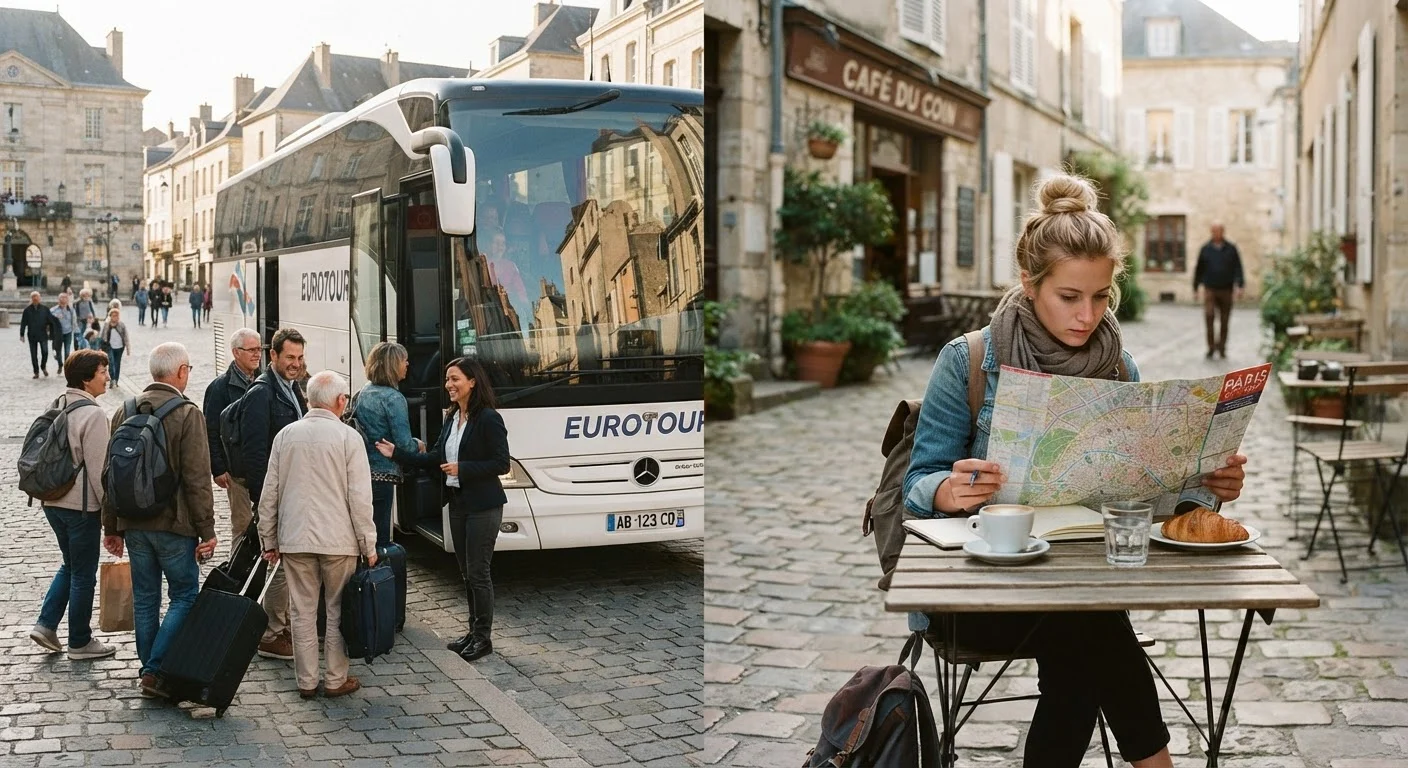
Photo credit: SearchLynk.net | Search Made Easier
In this article
Organized group tours and self-planned travel each involve trade-offs in cost, flexibility, and effort. Here's how to weigh them.
Key Takeaways
- Package tours handle logistics upfront, reducing planning burden but limiting daily flexibility.
- Independent travel demands more preparation but allows real-time adjustments to pace and priorities.
- Cost comparisons between the two are rarely straightforward - what's included matters more than headline price.
- Your destination, group composition, and comfort with uncertainty are often the deciding factors.
- Neither approach is universally superior; most travelers find value in both depending on the trip.
What Each Approach Actually Involves
A package tour bundles the core elements of a trip - transportation, accommodation, guided activities, and sometimes meals - into a single pre-arranged product. You pay upfront, show up at the departure point, and follow a set program. The operator handles the moving parts.
Independent travel means you source and sequence everything yourself: flights, hotels, ground transport, and activities are booked separately and managed on your own timeline. This gives you direct control over every decision, but it also transfers all planning responsibility to you.
Neither model is inherently easier - they're just differently demanding. Package tours front-load decisions (the operator makes most of them), while independent travel distributes those decisions across weeks or months of planning. For a fuller picture of what solid trip planning involves regardless of approach, see The Anatomy of a Well-Planned Trip.
| Criterion | Package Tours | Independent Travel |
|---|---|---|
| Planning effort | Low - operator handles logistics | High - all decisions are yours |
| Daily flexibility | Limited by group schedule | Fully adjustable in real time |
| Cost predictability | High - most costs fixed upfront | Variable - expenses accumulate |
| Social experience | Built-in group dynamic | Solitary or self-selected companions |
| Depth of local experience | Curated, often surface-level | Deeper if sought, effort-dependent |
| Suited to unfamiliar destinations | Strong fit | Requires more research and confidence |
| Handling disruptions | Operator manages rebooking | Traveler manages independently |
Cost: Why Sticker Price Doesn't Tell the Whole Story
Package tours often appear more expensive at first glance, but the quoted price typically includes accommodation, guided excursions, and transfers that an independent traveler would pay for separately. The real question isn't which is cheaper - it's what you're comparing.
Independent travelers tend to have more control over cost per category: they can choose budget accommodation, skip paid tours, or cook some meals. But small, unplanned expenses accumulate quickly - taxis, entrance fees, last-minute bookings at peak prices - and they're harder to forecast in advance.
~30%
Share of U.S. leisure travelers who have taken a guided group tour
According to U.S. Travel Association surveys, a meaningful minority of American leisure travelers regularly use guided or packaged tour formats.
15-40%
Typical cost variance in last-minute independent bookings
Travel research consistently shows that last-minute accommodation and transport bookings can cost significantly more than pre-planned equivalents, especially during peak periods.
Package tours shine on cost predictability. When major expenses are confirmed before departure, it's easier to budget without surprises. Independent travelers can often do better on total spend, but only with careful planning and realistic cost assumptions. For guidance on how timing affects pricing across both approaches, see Traveling During Peak Season vs. Off-Season.
Flexibility, Pacing, and What You Actually Give Up
The defining trade-off in this comparison is flexibility. Package tours operate on shared schedules - if the group moves on, you move on. That predictability is a genuine asset when you're unfamiliar with a destination or don't want to spend mental energy navigating logistics. But it also means less time at the places that captivate you and more time at stops that don't.
Independent travel allows you to build - and rebuild - your days around your actual interests. You can extend a stay in one city, cut another short, or change direction entirely if something unexpected comes up. This is especially valuable for travelers who already know how to structure an itinerary without overloading it.
That said, flexibility has a cost: every open slot in your schedule is a decision you'll need to make in the moment, sometimes under pressure. Travelers who find in-trip decision-making stressful often find that an independent trip feels more exhausting than freeing.
A Hybrid Option Worth Considering
Some travelers find the most satisfying middle ground in what's sometimes called a semi-independent tour - a structured framework with guided highlights, but free blocks of time built in for self-directed exploration. This format is increasingly common and can reduce planning stress without locking you into a rigid schedule from morning to night.
When the Destination Itself Shapes the Decision
Some destinations favor one approach over the other based on practical realities. In places with complex visa logistics, limited English-language signage, unreliable public transport, or elevated safety considerations, a guided tour removes friction that would otherwise consume a significant portion of your trip energy.
In destinations with strong independent traveler infrastructure - clear transit systems, abundant accommodation options, and well-documented routes - going it alone is straightforward even for less experienced travelers. A destination like Italy, for example, presents very different regional logistics depending on where you go; see What Traveling in Italy Actually Involves, Region by Region for context.
Your group composition matters too. Families with young children, travelers with mobility considerations, or groups with very different experience levels often benefit from the consistency a package tour provides. For family-specific planning factors, Traveling with Children covers what shifts when kids are part of the equation.

Author
Travel & Trips Editorial Team
Travel & Trips Editorial Team is the collective byline for our editorial team and contributor network. Articles published under this byline or an editorial pen name are researched, written, and reviewed according to our editorial standards for clarity, consistency, and independence before publication.
View all articles →