
Phone Plan Features That Matter Most Depending on How You Use Your Phone
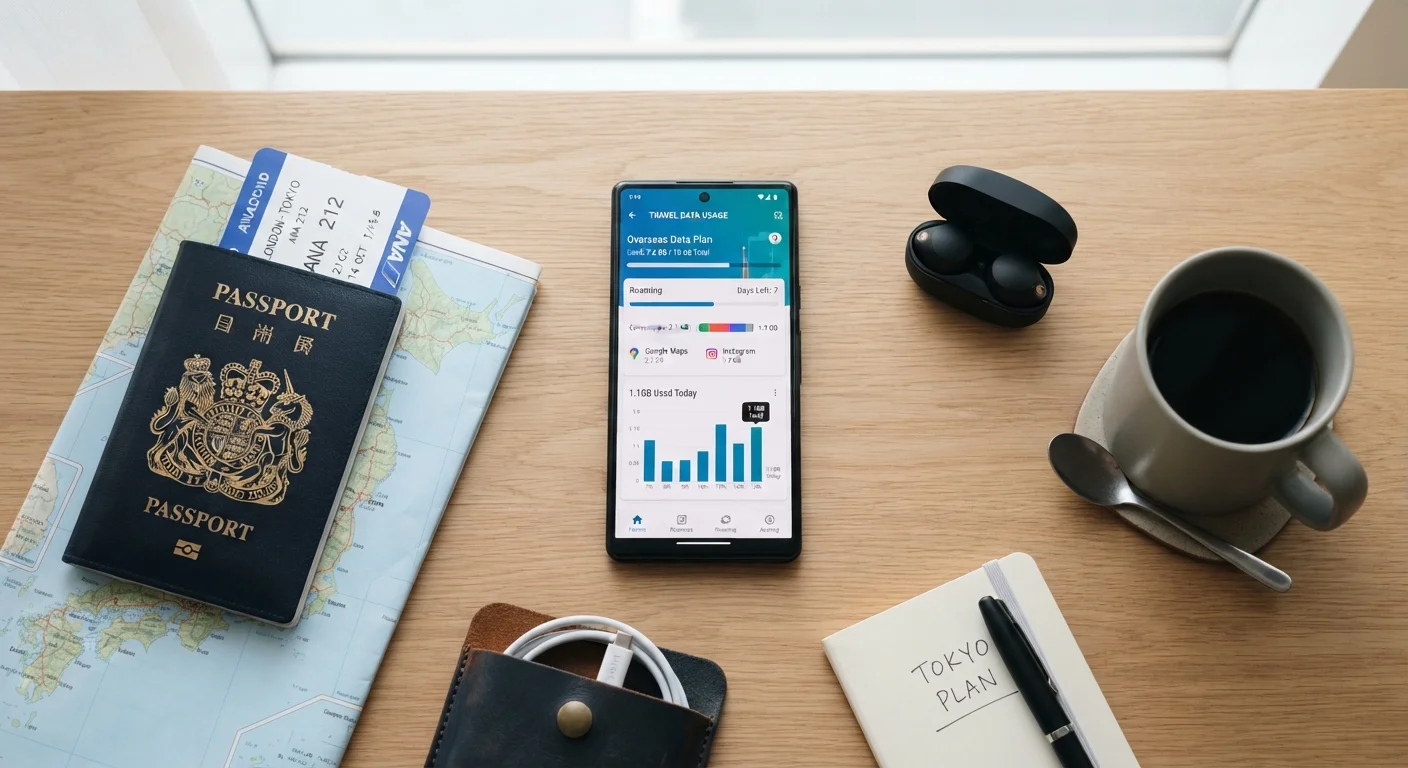
Photo credit: SearchLynk.net | Search Made Easier
In this article
Heavy streamers, frequent travelers, and light users all benefit from different plan structures. Map your habits to the features worth prioritizing.
Key Takeaways
- Heavy streamers and hotspot users need plans with generous, clearly defined high-speed data allotments.
- Frequent travelers should prioritize strong network coverage maps and international calling or roaming options.
- Light users can avoid overpaying by choosing plans with lower data caps or pay-as-you-go structures.
- Wi-Fi calling support is a critical feature for anyone in areas with spotty cellular coverage.
- Reading a plan's fine print - especially deprioritization and throttling policies - matters as much as the headline data amount.
Why One-Size Plans Rarely Fit
Carrier marketing tends to frame phone plans as a straightforward choice between a few tiers. In practice, the features that matter most shift considerably depending on how you actually use your device. Someone who streams video on their commute has almost nothing in common with a retiree who mostly makes calls at home - yet both might be looking at the same plan page.
The starting point is an honest audit of your habits: how much data you consume monthly, where you spend most of your time, whether you travel domestically or abroad, and whether you rely on your phone as a mobile hotspot. Once you know those patterns, you can cut through carrier language and focus only on the specs that affect your day-to-day experience. Our plain-language glossary of wireless plan terms is a useful reference as you work through the fine print.
Features That Matter for Heavy Data Users
If your phone is a primary entertainment device - streaming music, video, or podcasts for several hours a day - data volume and speed consistency are the features that determine whether a plan actually works for you.
Confirm the high-speed data threshold, not just the total data amount
Plans labeled "unlimited" frequently include a ceiling after which speeds drop significantly during congestion. The specific gigabyte threshold before deprioritization is more informative than the word "unlimited" alone.
Check hotspot data allowances as a separate line item
Mobile hotspot data is often capped independently of the plan's main data allotment, and at a lower speed tier. Missing this distinction leads to unexpected throttling when tethering a laptop or tablet.
Review actual network coverage maps for the specific areas you use most
Carrier-published coverage maps show general service areas but may not reflect real-world signal strength in rural areas, buildings, or specific neighborhoods. Independent coverage checker tools can provide a more granular picture.
Verify international roaming terms before committing to a plan
Plans vary widely in how they handle international use - from flat daily fees to per-minute charges to included data at reduced speeds. Without knowing these terms in advance, bills from a single trip abroad can be substantial.
Match your data tier to your actual average usage, not your worst-case scenario
Many users overestimate their data needs, particularly if they're frequently on Wi-Fi. Paying for a large data allotment that goes unused each month represents ongoing unnecessary cost.
Beyond raw gigabytes, pay close attention to deprioritization policies. Many unlimited plans slow speeds during network congestion once you pass a defined threshold. A plan advertised as "unlimited" may deliver noticeably reduced speeds at 50 GB during peak hours in dense areas. That threshold, not the headline label, is what you should compare between plans.
For those who frequently use their phone as a Wi-Fi hotspot - tethering a laptop or tablet - verify that hotspot data is included at full speed, not just throttled after a low cap. These figures are often listed separately from the main data allotment and are easy to miss. See how to read a phone plan the right way for a step-by-step approach to finding these details.
Features That Matter for Travelers
Coverage reliability is the defining feature for anyone who moves frequently - whether across rural states or between countries. A plan with excellent coverage in major metro areas may drop to minimal or no service on long highway stretches or in smaller towns.
For international travelers, the relevant questions are whether the plan includes data roaming abroad, at what speed, and whether calls and texts to foreign numbers are charged separately. Some plans include a certain amount of international roaming data at reduced speeds; others charge daily fees or by the megabyte. Understanding the difference before you land abroad can prevent unexpectedly high bills.
Wi-Fi calling is also worth confirming - it allows your phone to route calls over a Wi-Fi connection when cellular signal is weak or absent, which is practical both in signal-poor rural areas and in hotel rooms abroad. Learn more about how this technology works in our article on 5G vs. Wi-Fi calling.
Features That Matter for Light or Budget-Focused Users
Not every user needs a high-capacity unlimited plan. If your phone use is limited to calls, texts, navigation, and occasional browsing - and you spend most of your time connected to Wi-Fi at home or work - a lower-data or prepaid plan may be the more sensible fit.
Light Users and Shared Plans
If you share a plan with family members whose data needs are heavier than yours, a family plan structure may still reduce your per-line cost even if you personally use little data. The math depends on the number of lines and how the data is pooled or allocated across the account.
The key risk for light users is paying a premium for features you'll never use. Evaluate whether the plan charges for features you don't need, such as international calling packages or high-speed hotspot data. Plans structured around lower monthly data allotments, or even pay-as-you-go options, can offer meaningful savings without meaningful sacrifice in your experience. The trade-offs between prepaid and postpaid plans are worth understanding if flexibility and cost control are your priorities.
It's also worth considering whether a no-contract plan gives you the flexibility to adjust as your habits change - particularly if your data needs fluctuate seasonally.

Author
Tech & Telecom Editorial Team
Tech & Telecom Editorial Team is the collective byline for our editorial team and contributor network. Articles published under this byline or an editorial pen name are researched, written, and reviewed according to our editorial standards for clarity, consistency, and independence before publication.
View all articles →