
Subscription Creep: Auditing the Recurring Charges You've Stopped Noticing
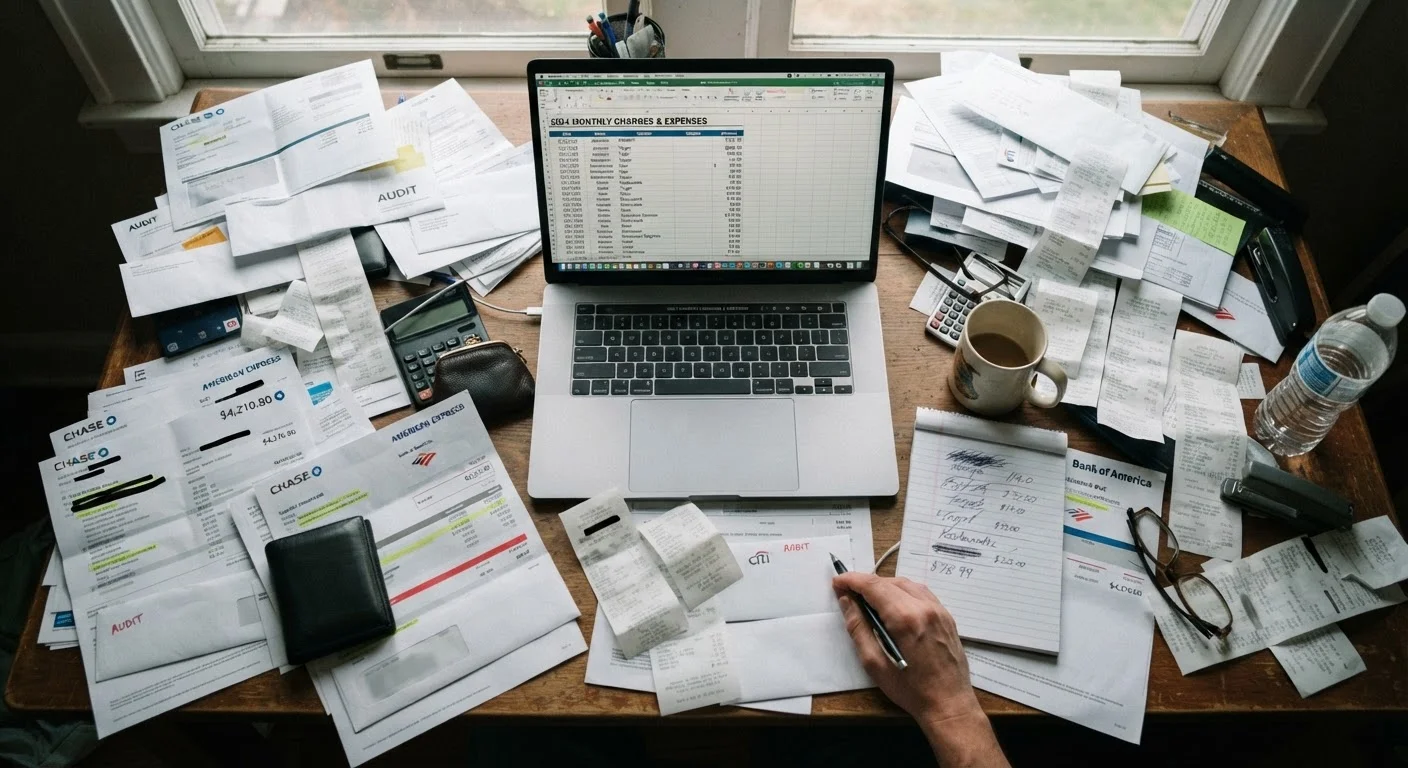
Photo credit: SearchLynk.net | Search Made Easier
In this article
Small monthly fees accumulate quietly. Use this step-by-step audit to identify, evaluate, and cut subscriptions that no longer deliver value.
Key Takeaways
- Most people underestimate their monthly subscription spending by 30-40% before conducting a formal audit.
- Recurring charges hide across bank statements, credit cards, PayPal, and even mobile carrier bills.
- Cancellation is often deliberately complicated - knowing your rights helps you follow through.
- A structured audit every three to six months keeps subscription creep from silently rebuilding.
- Free trials that auto-convert to paid plans are among the most common sources of forgotten charges.
Why Subscription Creep Happens - and Why It's Hard to Spot
Subscription creep is the gradual accumulation of recurring charges that individually seem minor but collectively represent a significant monthly outflow. A $4.99 app here, a $12.99 streaming tier there - each feels trivial at sign-up. Over months or years, however, these charges become invisible background noise on your statements.
Several factors make creep difficult to detect. Services are intentionally billed on different cycles - weekly, monthly, quarterly, annually - so no single statement tells the full story. Many companies deliberately obscure their billing descriptions, using abbreviated or unfamiliar company names that don't match the service you remember subscribing to. And free trials that quietly become paid plans are a persistent driver: if you've ever wondered how that charge appeared, our article on how subscription traps work explains the mechanics in detail.
The audit process below is designed to surface every recurring charge - not just the ones you remember signing up for.
Annual Subscriptions Are Easy to Miss
Charges billed once a year don't appear on monthly statements and are easy to overlook during a routine review. Pull a full 12 months of statements from at least one account, or search your email inbox for receipts with keywords like 'renewal,' 'annual plan,' and 'subscription confirmed' to catch yearly charges.
What You'll Need Before You Start
Gather the following before beginning. Having everything in one session prevents partial audits that miss charges spread across different accounts.
Bank and credit card statements (3 months)
Provides the raw transaction data needed to identify every recurring charge across your accounts.
Spreadsheet or notes app
Used to build and organize your master subscription list with amounts, frequencies, and payment sources.
Digital wallet account access (PayPal, Apple Pay, etc.)
Surfaces recurring billing agreements that may not appear on standard bank or card statements.
Mobile carrier account portal
Reveals third-party charges and premium service fees billed through your phone plan.
App store subscription settings (Apple ID / Google Play)
Lists all active in-app subscriptions billed directly through your device's platform account.
The Subscription Audit Checklist
Work through each group in order. The first two groups surface what you're actually paying; later groups help you decide what to keep, pause, or cancel.
Surface All Recurring Charges
Build Your Master Subscription List
Evaluate Each Subscription
Act on Your Findings
Prevent Future Creep
Once you've completed the audit, fold a brief subscription review into your regular financial routine. The monthly financial health checklist provides a broader framework for tracking balances, debt, and savings progress alongside recurring charges.
Cancellation, Negotiation, and Staying Clean
Identifying unwanted subscriptions is only half the work - cancelling them is where many people stall. Some services require you to call a phone number during business hours, navigate multi-step online flows, or sit through retention offers. A few tactics help:
- Document your cancellation. Take a screenshot or save a confirmation email. Some companies continue billing and dispute that a cancellation was ever requested.
- Check your next statement. Confirm the charge does not reappear after cancellation. If it does, dispute it with your card issuer immediately.
- Use virtual card numbers for future trials. Many banks and card providers offer single-use or merchant-locked virtual card numbers that prevent unintended recurring charges after a trial ends.
It's also worth knowing that certain sign-up flows are engineered to confuse. If you've encountered a suspicious checkout process, our guide on recognizing dark patterns before you're billed explains the specific design tactics used and how to protect yourself going forward.
Your wireless bill deserves a separate look - carrier add-ons, protection plans, and data tier upsells are common sources of recurring charges that blend into the bill. See what to check on your wireless bill for a line-by-line breakdown.
Unrecognized Charges May Signal Fraud
Not every mystery charge is a forgotten subscription - some are unauthorized. If you cannot identify a recurring charge after researching the billing descriptor, contact your card issuer immediately to dispute it and request a new card number. Acting promptly limits your liability and stops the charge from recurring. Do not simply cancel the card without disputing the charge, as that may not recover funds already taken.
This article is for general informational and educational purposes only and does not constitute financial or legal advice. Consult a qualified financial professional for guidance specific to your situation.

Author
Shopping Editorial Team
Shopping Editorial Team is the collective byline for our editorial team and contributor network. Articles published under this byline or an editorial pen name are researched, written, and reviewed according to our editorial standards for clarity, consistency, and independence before publication.
View all articles →