
Kitchen Organization from Scratch: Where to Start When Everything Feels Like a Mess
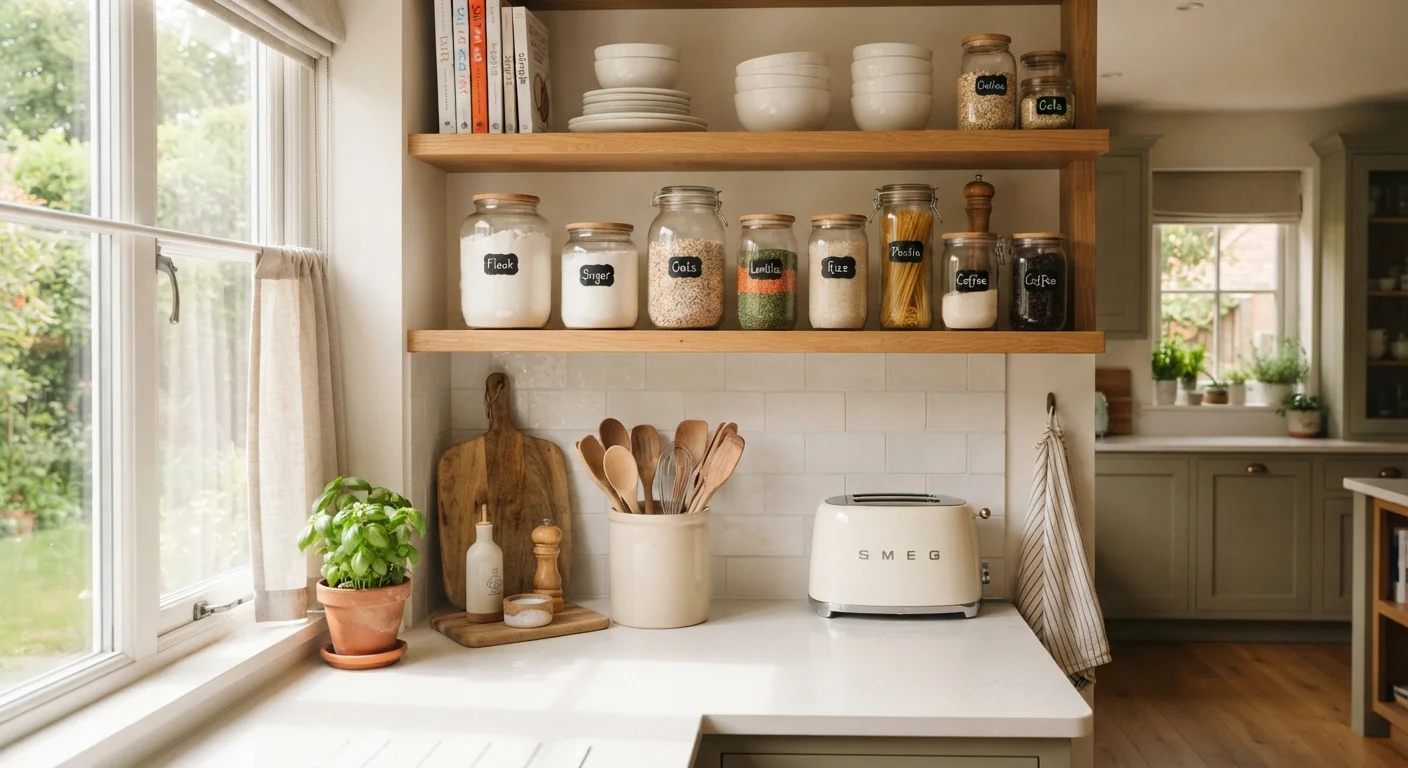
Photo credit: SearchLynk.net | Search Made Easier
In this article
A chaotic kitchen makes cooking harder than it needs to be. This beginner-friendly walkthrough shows you how to build order from the ground up.
Key Takeaways
- Start by fully emptying and sorting before buying any organizers or storage products.
- Dividing your kitchen into functional zones makes finding and returning items effortless.
- Purging expired, duplicate, or unused items is the single highest-impact step.
- Maintenance habits - not perfect systems - are what keep a kitchen organized long-term.
- You don't need to reorganize the entire kitchen in one day; a zone-by-zone approach works well.
Why Kitchen Organization Feels So Overwhelming
The kitchen is the most actively used room in most homes - groceries arrive, meals get cooked, snacks get grabbed, and dishes cycle in and out, all day long. That constant activity means disorder accumulates faster here than almost anywhere else. When you stand in the middle of it all feeling paralyzed, that reaction makes complete sense.
The good news: disorganization is almost never a personality flaw. It's usually a structural problem - items don't have clear homes, storage doesn't match actual habits, or the kitchen is being asked to hold more than it reasonably can. Solving it means building a system, not finding willpower. This guide walks you through that process step by step. For a broader look at how this fits into your home, see a full home organization audit that covers every room.
Zone method
A kitchen organization strategy that groups items together based on how they're used, rather than by category alone, so related tools and supplies always live in the same area.
Purge
The act of removing items from a space that are expired, broken, duplicated, or no longer useful - reducing clutter before any organizing begins.
Shelf riser
A small platform placed inside a cabinet or on a shelf to create a second level of storage, effectively doubling usable vertical space.
Daily reset
A short, consistent habit - typically two to five minutes - of returning items to their designated places to prevent clutter from accumulating over time.
Keep pile
During a sort-and-purge session, the group of items you've decided are genuinely useful, regularly used, and will be given a defined home in your organized space.
Step One: Empty, Sort, and Purge
Before a single organizer gets purchased, everything needs to come out. Choose one area - a junk drawer, a cabinet, the pantry - and remove every item. Place it all on your kitchen table or counter so you can see exactly what you're working with.
Sort items into three groups: keep, donate or rehome, and discard. As you sort, ask these practical questions:
- Have I used this in the past year?
- Do I own duplicates I don't need?
- Is it expired, broken, or missing parts?
- Does this item actually belong in the kitchen?
Be honest. A panini press used twice in three years takes up valuable space. Expired spices quietly crowd out ones you actually reach for. Purging is the step that makes everything else easier - and skipping it is the most common reason reorganization efforts don't stick.
If you're not sure whether to tackle your whole kitchen at once or one area at a time, the all-at-once vs. room-by-room debate is worth reading before you dive in.
Sort Before You Shop for Storage
It's tempting to buy matching bins and baskets before you start, but resist that urge. Until you know exactly what you're keeping and where it will live, you risk buying the wrong sizes or more than you need. Sort and purge first, then measure your spaces and shop with a specific list.
Step Two: Assign Zones to Your Kitchen
Zones are the backbone of any functional kitchen. A zone is simply an area dedicated to a specific task or category of items, so that everything related to that task lives together. Common kitchen zones include:
- Cooking zone: Pots, pans, spatulas, and oven mitts near the stove
- Prep zone: Cutting boards, knives, mixing bowls near your main counter workspace
- Drinks zone: Mugs, glasses, coffee or tea supplies near your kettle or coffee maker
- Food storage zone: Containers, lids, wraps, and zip bags in one accessible cabinet
- Pantry zone: Dry goods, canned items, and snacks grouped by type
Assign zones based on how you actually move through your kitchen - not on what looks tidy in photos. If you always make coffee at the counter closest to the fridge, put the coffee station there. Zones that fight your natural habits won't last.
Once your pantry zone is mapped out, a pantry stocking checklist can help you identify what ingredients are worth keeping on hand.
Step Three: Organize Within Each Zone
With zones assigned and only your keep items remaining, now you can think about how to arrange things within each space. A few principles that consistently work:
Use vertical space
Shelves rarely reach their full potential. Shelf risers, stackable bins, and door-mounted organizers can nearly double your usable cabinet space without any renovation.
Put most-used items at eye level and arm's reach
Items you use daily should require zero effort to access. Items used monthly can live on higher shelves or in the back. Items used rarely can move out of the kitchen entirely.
Group like with like - and keep sets together
A lid organizer beside your pot cabinet means you never dig through a jumbled pile again. Store food storage containers with their matching lids rather than nesting containers and lids separately.
Label when it helps
Labels are most useful in shared kitchens or pantry areas where multiple people put things away. They set a shared standard so items return to the right place consistently.
Don't Over-Label or Over-Organize
An overly rigid system - with a labeled bin for every sub-category - can actually make your kitchen harder to use, especially in a household with multiple people. Aim for clear, broad categories rather than exhaustive micro-organization. A system that's easy to maintain will always outperform a perfect one that nobody follows.
Maintaining the System You Build
Organization isn't a one-time project - it's a set of small, repeatable habits. The most effective maintenance strategy is a brief daily reset: spend two to three minutes each evening returning items to their zones. This prevents gradual drift from becoming full chaos.
Every few months, do a quick audit: check the pantry for expired items, note any zones that feel frustrating to use, and consider whether your habits have shifted enough to warrant moving things around. Systems should serve you, not the other way around.
If you're also looking to reduce food waste while you're restructuring your kitchen habits, composting kitchen scraps is a natural complement - turning what you'd otherwise throw away into something useful for your garden.
Building order in your kitchen takes a few focused hours of initial effort. But once your items have clear homes that match your actual routines, everyday cooking becomes noticeably calmer and faster - and staying organized becomes far less work than starting over.
Frequently Asked Questions

Author
Home & Garden Editorial Team
Home & Garden Editorial Team is the collective byline for our editorial team and contributor network. Articles published under this byline or an editorial pen name are researched, written, and reviewed according to our editorial standards for clarity, consistency, and independence before publication.
View all articles →