
A Full Home Organization Audit: Room-by-Room Questions to Ask Yourself
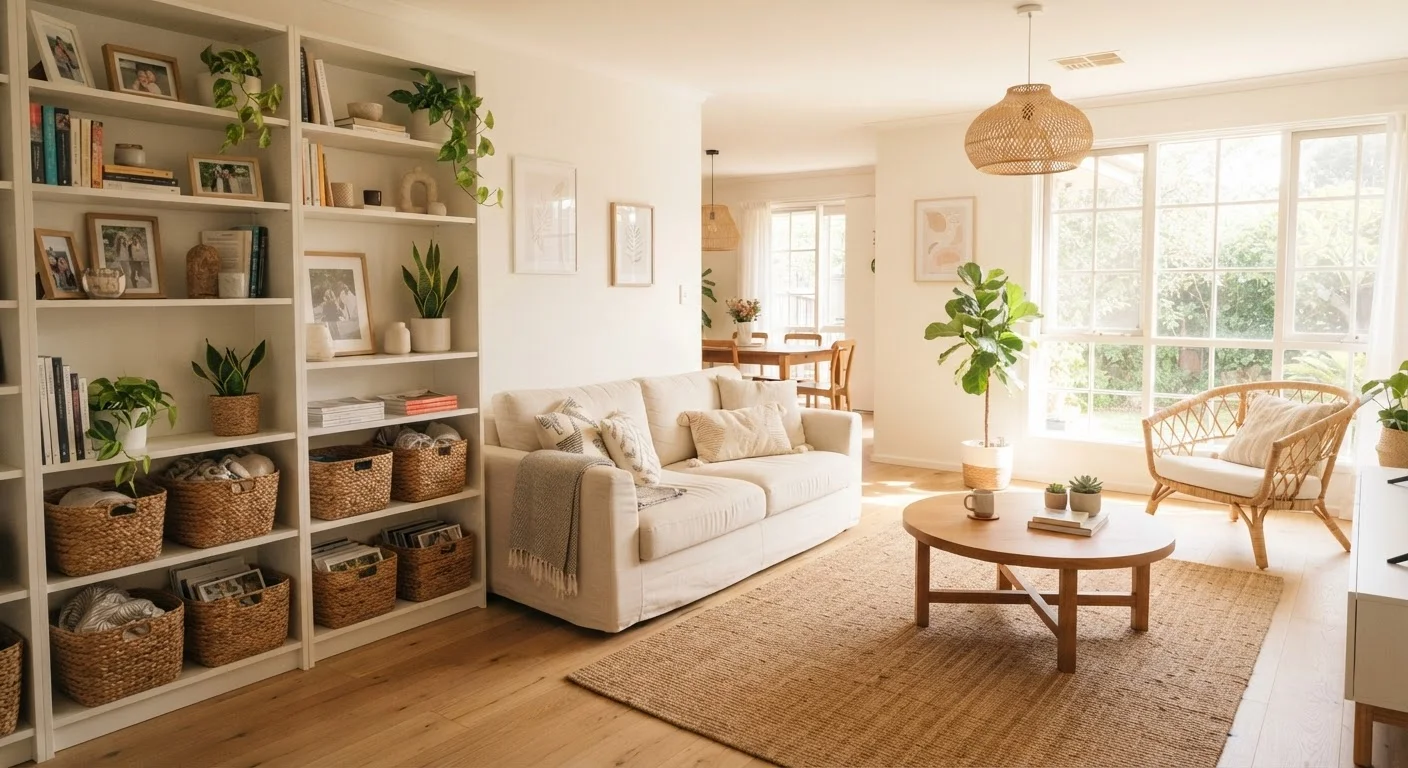
Photo credit: SearchLynk.net | Search Made Easier
In this article
Use this room-by-room checklist to assess what's working in your home, what's causing friction, and where small changes could make the biggest difference.
Key Takeaways
- A home audit focuses on function and friction, not just visual tidiness.
- Asking specific questions per room reveals patterns that a general declutter misses.
- Small, targeted changes to storage and flow often outperform full reorganizations.
- Zone-based thinking helps match each space to how you actually use it.
- An audit is a starting point - it surfaces issues rather than solving them all at once.
What a Home Organization Audit Actually Is
A home organization audit is a structured self-assessment - a way of walking through your living space with fresh eyes and honest questions rather than a cleaning cloth. Unlike a decluttering session, which focuses on removing items, an audit focuses on function: where things break down, where habits fail, and where your space is working against you instead of for you.
The goal isn't perfection. It's clarity. After working through this checklist, you should have a prioritized list of friction points - the spots in your home that quietly cost you time, energy, or peace of mind every day.
If you're also thinking about which decluttering approach fits your lifestyle, this audit pairs well with that decision: it tells you where to focus before you decide how to proceed.
Set aside a notebook or open a notes app. As you move through each room, jot down what feels off - not to fix it immediately, but to build a picture of your home's organizational baseline.
Notebook or Notes App
Record friction points, observations, and action items as you move through each room.
Camera or Smartphone
Photograph problem areas so you can reference them later without relying on memory.
Sticky Notes or Painter's Tape
Flag areas or items in place as you audit, so nothing gets overlooked before you circle back.
Measuring Tape
Measure awkward spaces - shelves, alcoves, under-bed clearance - if you're considering storage solutions.
How to Work Through the Room-by-Room Checklist
Work through each room in one sitting if possible, or tackle one room per day if your schedule requires it. For each area, ask yourself the questions in the checklist honestly - resist the urge to answer based on what the room looks like on a good day. Think about an average Tuesday morning or a rushed Friday evening.
Pay special attention to recurring friction: the drawer you avoid opening, the counter that's always cluttered by noon, the closet you can't close without forcing it. These are your audit's most valuable findings.
For rooms shared with children, consider whether your current systems match how kids actually think and move. Our guide on building organization systems kids can actually maintain offers a useful companion framework.
Entryway & Landing Zone
Kitchen & Pantry
Living & Common Areas
Bedrooms
Bathrooms
Home Office & Paperwork
Storage Areas (Garage, Basement, Attic, Closets)
Whole-Home Patterns
Once you've completed the checklist, look for patterns. If several rooms share the same problem - too little surface-level storage, no designated landing zone, paper accumulating everywhere - that's a systemic issue worth addressing first. For paper specifically, a room-by-room plan for taming paper clutter can help you build a sustainable workflow rather than a one-time fix.
Don't Turn the Audit Into a Full Reorganization
It's tempting to start fixing things as soon as you spot a problem, but reorganizing mid-audit means you'll likely miss patterns that only emerge once you've seen the whole home. Complete the full checklist first, then prioritize. Addressing the most impactful friction points first produces better long-term results than fixing whatever you happen to notice first.
After your audit, consider applying zone-based organization principles to any room where you identified multiple friction points. Dividing a space into functional zones - based on actual daily habits, not aspirational ones - tends to produce more durable results than reorganizing by category alone.

Author
Home & Garden Editorial Team
Home & Garden Editorial Team is the collective byline for our editorial team and contributor network. Articles published under this byline or an editorial pen name are researched, written, and reviewed according to our editorial standards for clarity, consistency, and independence before publication.
View all articles →