
What Mulch Actually Does for Your Garden
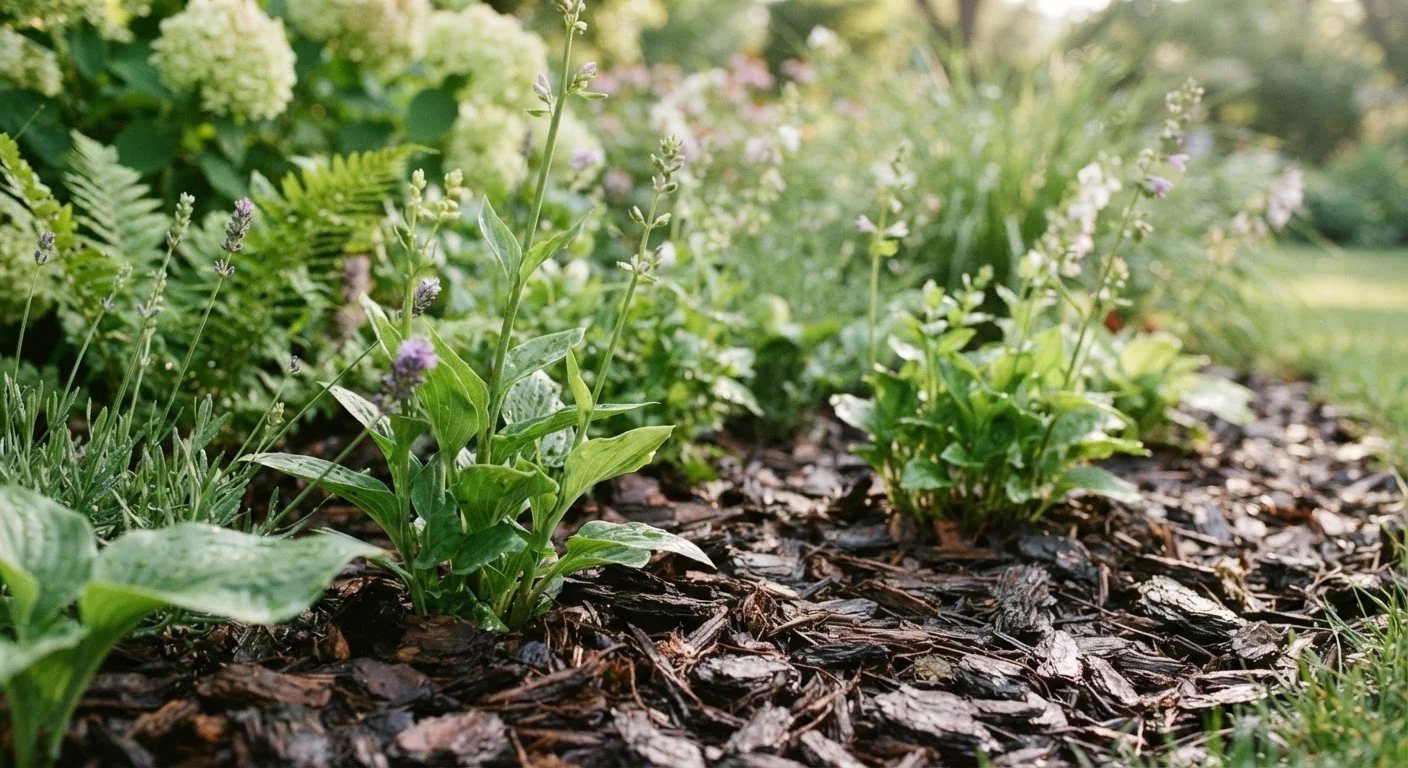
Photo credit: SearchLynk.net | Search Made Easier
In this article
Mulch does more than look tidy. Here's a clear breakdown of how it affects soil moisture, temperature, weeds, and plant health.
Key Takeaways
- Mulch slows water evaporation, reducing how often you need to water your garden.
- A 2-4 inch layer of organic mulch suppresses most weed growth without herbicides.
- Mulch buffers soil temperature, protecting roots from summer heat and winter cold.
- Organic mulches break down and gradually improve soil structure and fertility.
- Keeping mulch a few inches away from plant stems prevents rot and pest problems.
Why Mulch Is More Than a Finishing Touch
Many gardeners add mulch at the end of a planting session mostly for appearances - a tidy layer of bark chips to make the bed look finished. But mulch earns its place through function, not aesthetics. The moment it's spread, it begins a set of quiet, continuous jobs that affect how your plants grow throughout the season.
Understanding what mulch actually does helps you apply it more intentionally - and gets you better results with less effort. Whether you're gardening in raised beds or directly in the ground, mulch is one of the most practical tools available to any grower. See how raised beds and in-ground gardens compare if you're still deciding on your setup.
Moisture Retention: The Most Immediate Benefit
Bare soil loses water quickly through evaporation - especially in warm weather or when exposed to direct sun and wind. A layer of mulch acts as a barrier between the soil surface and the atmosphere, dramatically slowing that moisture loss.
In practical terms, mulched garden beds typically need watering less frequently than unmulched ones. This matters most during dry summer stretches when plants are most stressed. If you're working on smarter watering habits, pairing good mulch coverage with consistent technique goes a long way - watering principles that healthy gardens follow explains the underlying logic well.
25-50%
Reduction in soil moisture loss with mulch
Research from university extension programs indicates that mulched soils can lose significantly less water to evaporation compared to bare soil under similar conditions.
2-4 inches
Recommended mulch depth for most garden beds
This depth range is widely cited by horticultural extension services as the practical standard for effective weed suppression and moisture retention.
10°F+
Soil temperature reduction under summer mulch
Studies on mulched versus unmulched soils show mulch can keep soil measurably cooler on hot days, reducing heat stress on plant roots.
Temperature Regulation Beneath the Surface
Soil temperature fluctuates more than most gardeners realize. On a hot summer afternoon, bare soil in full sun can reach temperatures that stress or damage shallow roots. In early spring or fall, overnight frost can penetrate unprotected soil quickly.
Mulch insulates. In summer, it keeps the soil cooler than the air above it. In winter, it slows the rate of freezing and thawing - a cycle that can physically damage plant roots and displace bulbs. This temperature-buffering effect is one reason mulching in the fall, before the first hard freeze, is a widely recommended practice for protecting perennials.
Time Your Mulch Application Well
For the best results, apply mulch in spring after the soil has warmed up - not before. Mulching too early in spring can slow soil warming and delay planting. In fall, apply mulch after the first hard frost to insulate the soil through winter without encouraging late-season pest activity.
Weed Suppression Without Chemicals
Weeds need light to germinate and establish. A solid layer of mulch blocks that light from reaching the soil surface, preventing most weed seeds from sprouting. Weeds that do push through tend to be easier to pull because the soil beneath stays looser and more moist.
This isn't a perfect barrier - some aggressive weeds will still find a way through, particularly if the mulch layer is thin or has gaps. But consistent mulching significantly reduces the overall weed burden in a bed, saving time and physical effort throughout the growing season.
How Organic Mulch Feeds the Soil Over Time
Inorganic mulches - gravel, rubber, landscape fabric - hold their form indefinitely and do their physical jobs reliably. But they don't give anything back to the soil.
Organic mulches do. Wood chips, straw, shredded leaves, and similar materials slowly decompose, and as they break down, they add organic matter to the upper layer of soil. This feeds soil microbes, improves soil structure, and over several seasons can meaningfully enhance the growing environment. It's a slower benefit than moisture retention, but a lasting one.
If you're building soil health over time, organic mulch works alongside other practices - including composting kitchen scraps into garden compost - as part of a broader approach. Understanding your soil before you start also pays off: reading your soil before planting helps you know what it needs most.
Common Mistakes to Avoid
Mulch applied incorrectly can cause problems rather than solve them. The most common mistake is piling mulch directly against plant stems or tree trunks - sometimes called "volcano mulching" because of the mounded shape. This traps moisture against the bark and creates conditions for rot and disease.
Applying mulch too thickly (beyond 4 inches) can also backfire. Overly deep layers prevent adequate air and water from reaching the soil and can actually repel water rather than conserve it. Keep layers in the 2-4 inch range and leave a clear gap around any plant's base for best results.
This article is for general informational and educational purposes. Gardening outcomes vary based on local climate, soil type, plant variety, and other site-specific factors. Consult local cooperative extension services or a gardening professional for guidance tailored to your region.
Frequently Asked Questions

Author
Home & Garden Editorial Team
Home & Garden Editorial Team is the collective byline for our editorial team and contributor network. Articles published under this byline or an editorial pen name are researched, written, and reviewed according to our editorial standards for clarity, consistency, and independence before publication.
View all articles →