
Why High-Interest Debt Is So Hard to Escape (And What Makes It Worse)
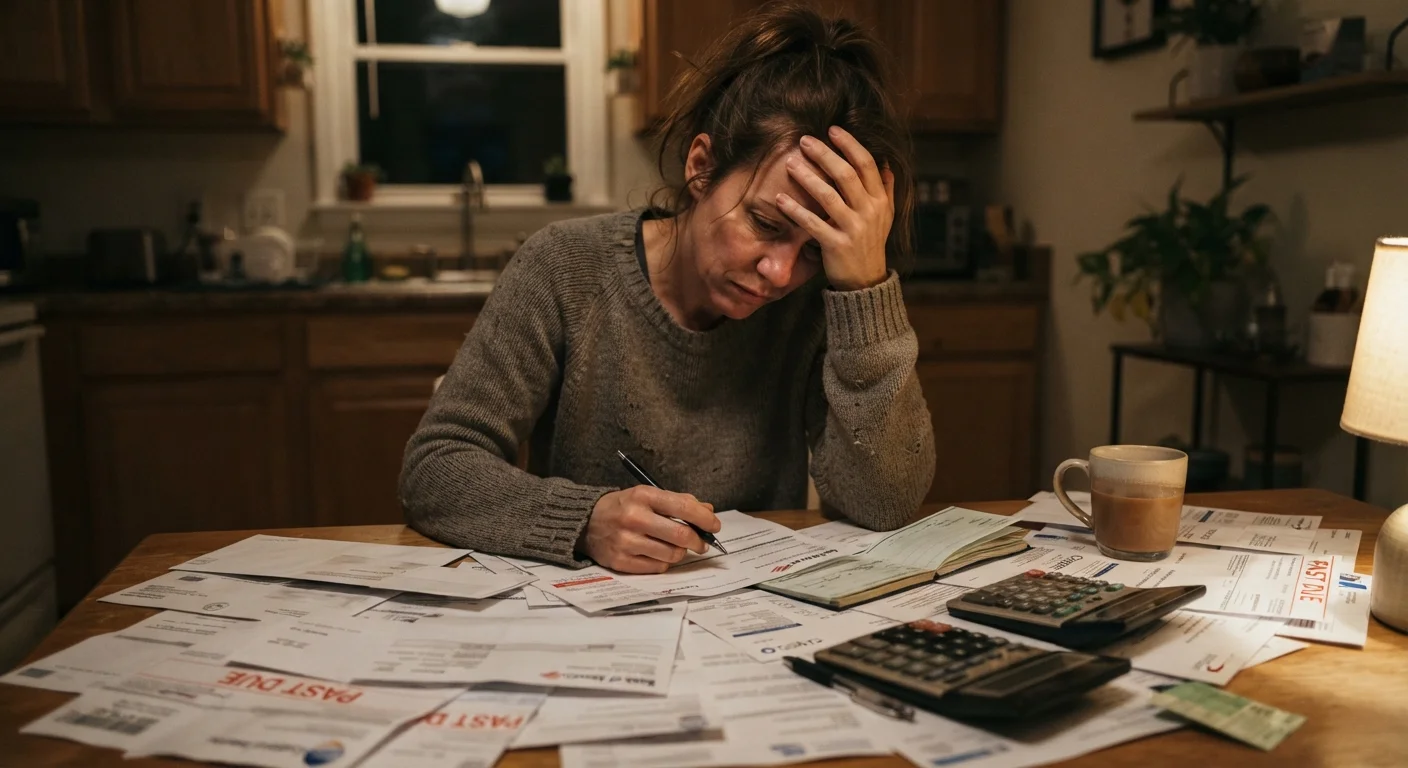
Photo credit: SearchLynk.net | Search Made Easier
In this article
The math behind high-APR debt reveals why minimum payments barely move the needle—and what patterns tend to deepen the problem.
Key Takeaways
- High-APR debt compounds daily, meaning interest charges accumulate faster than most borrowers realize.
- Paying only the minimum keeps balances high for years and costs significantly more in total interest.
- Several common behaviors-like making new charges while paying down debt-actively worsen the situation.
- Understanding the mechanics of interest is the first step toward building an effective payoff plan.
The Math That Keeps Balances Stuck
High-interest debt-particularly credit card balances carrying annual percentage rates (APRs) above 20%-operates on a compounding structure that works heavily against the borrower. Understanding the basic mechanics helps explain why so many people feel like they're running in place.
Most credit cards calculate interest daily. The daily periodic rate is simply the APR divided by 365. On a $5,000 balance at 24% APR, that works out to roughly $3.29 in interest every single day. Over a month, about $99 in new interest is added before a single payment is applied. If the minimum payment is $100, only about $1 is reducing the actual balance-called the principal. For a full explanation of how these terms interact, see key borrowing terms explained.
This dynamic creates a treadmill effect. The higher the balance and the rate, the harder each payment must work just to prevent backward movement-let alone make real progress.
20%+
Average credit card APR in the U.S.
According to Federal Reserve data, average credit card interest rates have exceeded 20% in recent years-a historically high range for revolving consumer debt.
~$1
Principal reduced per $100 minimum payment at 24% APR on $5,000
At a 24% APR on a $5,000 balance, approximately $99 of a $100 minimum payment is consumed by interest, leaving almost nothing to reduce the actual debt.
Mistakes That Make High-Interest Debt Worse
The math alone is daunting, but certain habits and decisions consistently deepen the problem. Recognizing these patterns is essential before any payoff strategy can take hold.
Making only the minimum payment each month.
Why it happens: Minimum payments are designed to feel manageable, and card issuers set them low enough that borrowers often assume they represent a reasonable repayment pace.
Continuing to charge new purchases to a card while trying to pay it down.
Why it happens: Separating everyday spending from a debt payoff goal is cognitively difficult, especially when a card is already in regular use.
Ignoring the APR when evaluating a balance transfer or consolidation offer.
Why it happens: Promotional rates-such as 0% for 12 months-are prominently marketed, while the post-promotional rate and transfer fees are buried in fine print.
Treating debt payoff and savings as mutually exclusive.
Why it happens: Borrowers often feel they must choose one goal entirely, leading either to all payments going to debt with no emergency cushion, or to saving while high-interest balances compound.
Not knowing the interest rate on each debt you carry.
Why it happens: With multiple accounts, it's easy to lose track of which balances are most costly, especially if rates have changed since the account was opened.
Once you've identified which mistakes apply to your situation, a structured approach makes the difference. Compare options like the avalanche and snowball methods in our guide to debt payoff strategies compared, or explore whether debt consolidation makes sense for your situation.
Why the Psychological Toll Matters Too
High-interest debt doesn't just strain finances-it strains decision-making. Research in behavioral economics suggests that financial stress can narrow focus in ways that make it harder to think long-term or evaluate options clearly. This can lead to reactive choices, like taking a cash advance or skipping a payment, that accelerate the debt cycle.
Avoid Decisions Made Under Financial Stress
When debt feels overwhelming, high-cost options like payday loans or credit card cash advances can seem like relief-but they typically carry even higher rates and fees, making the underlying problem worse. If you're struggling to meet payments, contacting your lender directly about hardship options or speaking with a nonprofit credit counselor are lower-risk first steps.
Recognizing this pattern is itself protective. Debt that feels unmanageable is best addressed with a structured plan rather than avoidance. Our piece on sustainable debt repayment principles covers how to build a realistic framework that accounts for the emotional dimension-not just the numbers. It's also worth understanding common myths about carrying a credit card balance, since misconceptions often lead borrowers to underestimate how much their balance is actually costing them.
This article is for general informational and educational purposes only and does not constitute personalized financial or legal advice. Readers should consult a qualified financial professional for guidance specific to their situation.

Author
Finance Editorial Team
Finance Editorial Team is the collective byline for our editorial team and contributor network. Articles published under this byline or an editorial pen name are researched, written, and reviewed according to our editorial standards for clarity, consistency, and independence before publication.
View all articles →