
Common Myths About Carrying a Credit Card Balance
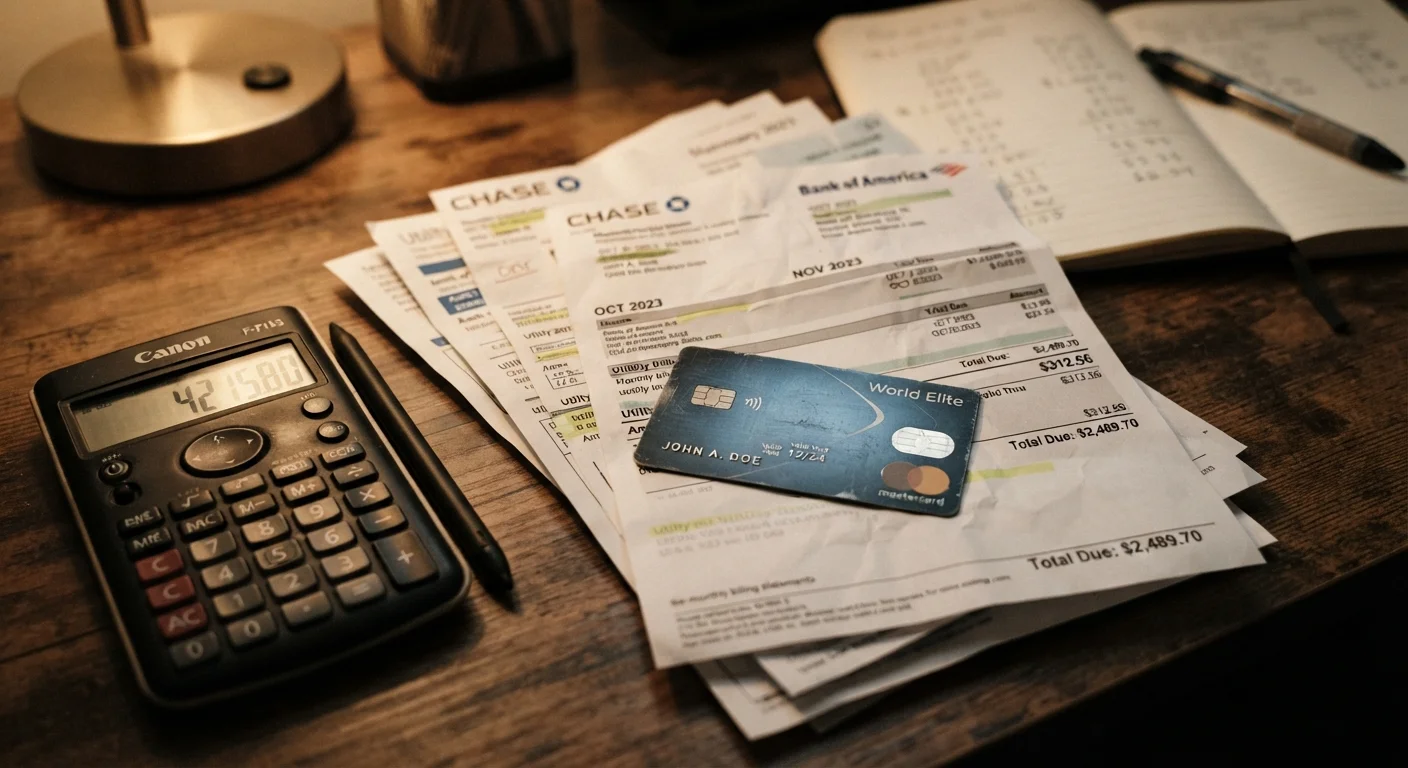
Photo credit: SearchLynk.net | Search Made Easier
Does carrying a balance help your credit score? Does paying minimums protect you from penalties? The facts may surprise you.
Key Takeaways
- Carrying a balance does not improve your credit score - it only costs you interest.
- Paying only the minimum keeps you in debt far longer than most cardholders realize.
- Credit utilization, not balance-carrying habits, is the factor lenders actually watch closely.
- Interest accrues daily on most cards, meaning even short balances can be expensive.
- Paying your statement balance in full each month is the financially sound default strategy.
Where These Myths Come From
Credit card myths are remarkably durable. They circulate through informal advice - passed along by well-meaning friends, misread articles, or outdated guidance - and they stick because they contain just enough surface logic to sound plausible. The idea that carrying a balance "shows activity" or that minimum payments are a safe long-term strategy feels intuitive until you examine the actual mechanics of how interest accrues and how credit scores are calculated.
Understanding the facts isn't just academic. Acting on these misconceptions can cost cardholders significant money over time, delay debt payoff by years, and even suppress the credit scores the myths claim to protect. The corrections below address the most common misunderstandings directly.
Myth
Carrying a small balance each month helps build your credit score.
Fact
Paying your balance in full every month is equally effective - and costs you nothing in interest.
This is one of the most persistent credit card myths in personal finance. The belief likely stems from a misunderstanding of how credit scoring models work. Credit bureaus and scoring models such as FICO look at whether you use credit responsibly - they do not reward you for paying interest. What matters is that you have activity on the account and that you pay on time. Leaving a balance means you're simply handing money to the card issuer in the form of interest charges, with no scoring benefit in return. As our guide on credit utilization and financial health explains, what lenders actually scrutinize is how much of your available credit you're using - not whether you carry a balance month to month.
Myth
As long as you pay the minimum amount due, you're protected from fees and damage to your credit.
Fact
Minimum payments keep your account in good standing, but they can leave you paying mostly interest for years.
Paying the minimum on time does prevent a late fee and protects your payment history - that part is true. But the minimum payment is typically a very small percentage of your balance (often around 1-2% of what you owe, plus interest and fees). On a substantial balance, this means the vast majority of your payment goes to interest rather than reducing principal. The result: a debt that can take a decade or longer to eliminate, costing dramatically more than the original purchase price. Why high-interest debt is so hard to escape explores exactly how this math plays out - and why minimum-only payments rarely move the needle on what you owe.
Myth
Interest is only charged if you don't pay at all.
Fact
Interest typically begins accruing daily the moment you carry any unpaid balance past your grace period.
Most credit cards calculate interest using a daily periodic rate - your annual percentage rate (APR) divided by 365. This means that every day a balance sits unpaid past the grace period, a small interest charge is added. Importantly, once you carry a balance into a new billing cycle, many cards also eliminate the grace period on new purchases entirely - meaning new charges begin accruing interest immediately rather than after your next due date. The practical upshot: even a few weeks of carrying a partial balance can generate meaningful interest charges, especially at the high APRs common on many consumer credit cards.
Myth
Using a credit card responsibly means never paying it off completely.
Fact
Paying your full statement balance each billing cycle is the behavior credit professionals consistently recommend.
There is no financial advantage to leaving a portion of your balance unpaid. This myth may originate from a fear that a zero balance looks like inactivity - but that concern is largely unfounded. As long as you use the card regularly and the issuer reports activity, your account remains active in the eyes of scoring models. Paying the full statement balance by the due date each month eliminates interest entirely, keeps your utilization low, and demonstrates consistent, responsible repayment behavior. For readers weighing how to allocate money between savings and debt paydown, our article on emergency fund vs. paying off debt walks through that trade-off in practical terms.
Myth
A high credit limit means you can safely carry a large balance.
Fact
High balances relative to your credit limit raise your utilization ratio, which can negatively affect your credit score.
Credit utilization - the percentage of available credit you're currently using - is one of the most influential factors in widely used credit scoring models, generally accounting for roughly 30% of a FICO score. Even if you're comfortably within your credit limit, carrying a balance that represents a high percentage of that limit can drag down your score. Most financial guidance suggests keeping utilization below 30%, and ideally below 10%, for the best scoring outcomes. A high credit limit does not grant immunity from this effect - it simply shifts where the thresholds fall in dollar terms.
What This Means for Your Financial Strategy
The clearest takeaway from these myths is straightforward: paying your full statement balance each billing cycle is, for most people, the financially sound default. It eliminates interest costs entirely, keeps utilization low, and builds a strong payment history - the three outcomes that actually benefit your financial health.
Minimum Payments Can Extend Debt for Years
On a $3,000 balance at a typical consumer APR, paying only the minimum each month could take a decade or more to fully repay - and may cost more in interest than the original balance. Before assuming minimum payments are a sustainable strategy, use your card issuer's repayment calculator to see the actual timeline and total interest cost.
If carrying a balance is unavoidable due to a cash-flow crunch, paying as much above the minimum as possible - and understanding exactly how long repayment will take - is critical. Most card issuers are now required to include a minimum payment warning on statements that shows how many years full repayment would take at the minimum rate. That number is often sobering.
For readers also thinking about where to direct extra dollars each month, balancing debt repayment against savings goals is a genuinely complex decision. See our guide on where to put your money first - emergency fund or debt payoff for a framework that fits different financial situations.
This article is for general informational and educational purposes only and does not constitute personalized financial or credit advice. For guidance specific to your circumstances, consult a qualified financial professional.

Author
Finance Editorial Team
Finance Editorial Team is the collective byline for our editorial team and contributor network. Articles published under this byline or an editorial pen name are researched, written, and reviewed according to our editorial standards for clarity, consistency, and independence before publication.
View all articles →