
Before You Leave: A Pre-Trip Checklist for International Travel
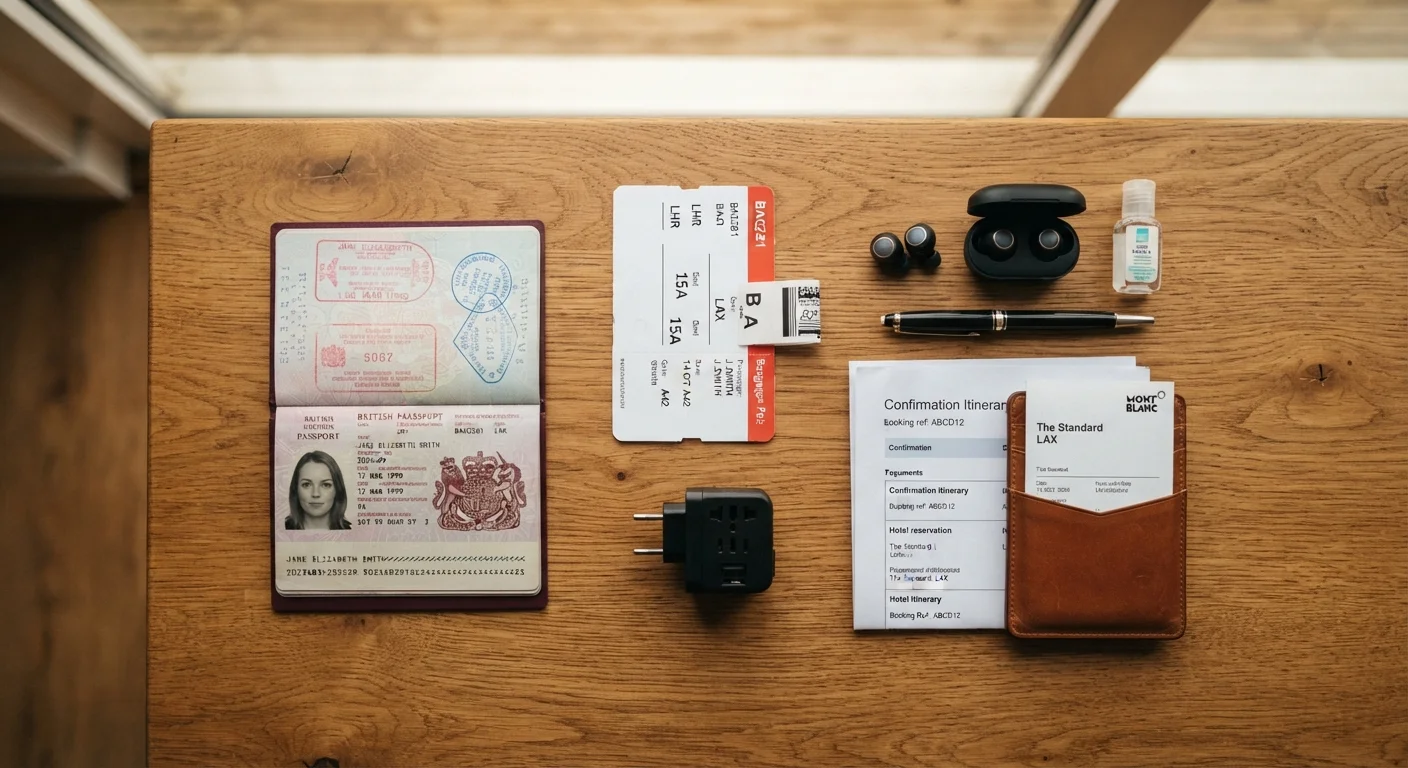
Photo credit: SearchLynk.net | Search Made Easier
In this article
A structured checklist covering documents, health prep, finances, tech, and home security before departing on an international trip.
Key Takeaways
- Your passport should be valid for at least six months beyond your return date for most international destinations.
- Notify your bank and credit card providers before departure to prevent fraud blocks on your accounts abroad.
- Health prep - including vaccines and prescriptions - should begin weeks or months before your departure date.
- Securing your home and setting up digital backups of documents are easy steps many travelers overlook.
- Always verify entry requirements directly with official government sources, as rules can change without notice.
Why a Pre-Trip Checklist Matters More for International Travel
Domestic travel has a margin for error - you can replace a forgotten item, call home for a document, or turn around without catastrophic consequence. International travel is different. A missing visa, an expired passport, or a frozen bank card thousands of miles from home creates problems that are far harder to solve on the fly.
This checklist is designed to walk you through every major category of pre-departure preparation: travel documents, health and safety, finances, technology, packing, and home security. Whether you're a first-timer or a seasoned traveler, running through these items in the weeks before you leave can prevent the kind of stress that turns a dream trip into a logistical nightmare.
For a broader overview of the trip-planning process from start to finish, see our end-to-end trip planning guide. If this is your first time traveling internationally, what first-time international travelers should know is worth reading before you dive into this checklist.
Travel Documents
Health Preparation
Finances and Money
Technology and Connectivity
Packing and Luggage
Home Security and Logistics
Documents, Health, and Finances: The Non-Negotiables
The first three categories in this checklist - documents, health prep, and financial readiness - are where most preventable international travel problems originate. Give these the most attention.
Verify Entry Requirements Before Every Trip
Visa rules, vaccination requirements, and border policies can change with little notice. Always check directly with your destination country's official embassy or consulate website - and your own government's travel advisory page - within a few weeks of your departure date. Relying on outdated third-party information is one of the most common and costly mistakes international travelers make.
Documents: Beyond having a valid passport, many countries require that it remain valid for six months past your return date. Visa requirements vary widely and can take weeks to process. Use your destination country's official embassy or consulate website - not third-party aggregators - to verify current entry requirements. Our complete travel documents reference covers what to carry and how to store copies securely.
Health prep: Some vaccinations require multiple doses over several weeks. Start this process early - ideally 6-8 weeks before departure. Consult a licensed healthcare provider or a travel medicine clinic for guidance specific to your destination and health history. For ongoing health management during your trip, staying healthy on long trips covers practical strategies worth reviewing.
Finances: Notifying your bank prevents account freezes. Understanding your card's foreign transaction fees - and whether to carry local currency - are decisions best made before you're standing at an airport ATM. This is general informational guidance; for decisions tied to your specific financial situation, consult a qualified financial professional.
ATM and Currency Exchange Fees Add Up Fast
International ATM withdrawals and currency exchange kiosks at airports often carry significant fees and unfavorable rates. Research your options - including bank partnerships and fee-free withdrawal accounts - before you travel, not when you've just landed. This is general information; speak to your financial institution about what works best for your specific accounts and destination.
Tech, Packing, and Leaving Your Home Secure
The final categories cover practical logistics that often get left to the last day - and suffer for it. Packing light and smart takes planning; if you're considering carry-on-only travel, packing a week into a single carry-on offers tested strategies.
Official Government Travel Advisory Site
Check your government's current travel advisories and entry requirements for your destination before departure.
Travel Medicine Clinic
Provides destination-specific vaccination and health risk guidance from a qualified healthcare provider.
Secure Cloud Storage or Encrypted App
Store and access digital copies of your passport, insurance, and travel documents from anywhere.
Offline Maps App
Navigate your destination without relying on mobile data or Wi-Fi connectivity.
International eSIM or Local SIM Card
Provides affordable mobile data and calls abroad without roaming fees from your home carrier.
Universal Power Adapter
Allows you to charge devices in countries with different outlet types and voltage standards.
For tech, the key questions are: Will your phone work abroad? Do you have the right power adapters for your destination's outlet type? Have you downloaded offline maps and translated key phrases? These take minutes to address ahead of time and hours to solve in the field.
Home security before a long international trip is easy to overlook. Pausing deliveries, arranging for someone to check on your property, and setting smart lights or timers all reduce visible signs of absence. home organization resources can help if you're also trying to sort through your space before a longer trip.
Finally, make sure a trusted contact at home has your full itinerary, accommodation details, and a copy of your passport - not just your travel companion. If something goes wrong, that information is invaluable.
This article provides general travel information for educational purposes. Always verify entry requirements, health advisories, and safety conditions with official government sources and qualified professionals before traveling.

Author
Travel & Trips Editorial Team
Travel & Trips Editorial Team is the collective byline for our editorial team and contributor network. Articles published under this byline or an editorial pen name are researched, written, and reviewed according to our editorial standards for clarity, consistency, and independence before publication.
View all articles →