
What 'As-Is' Really Means When You Buy Something
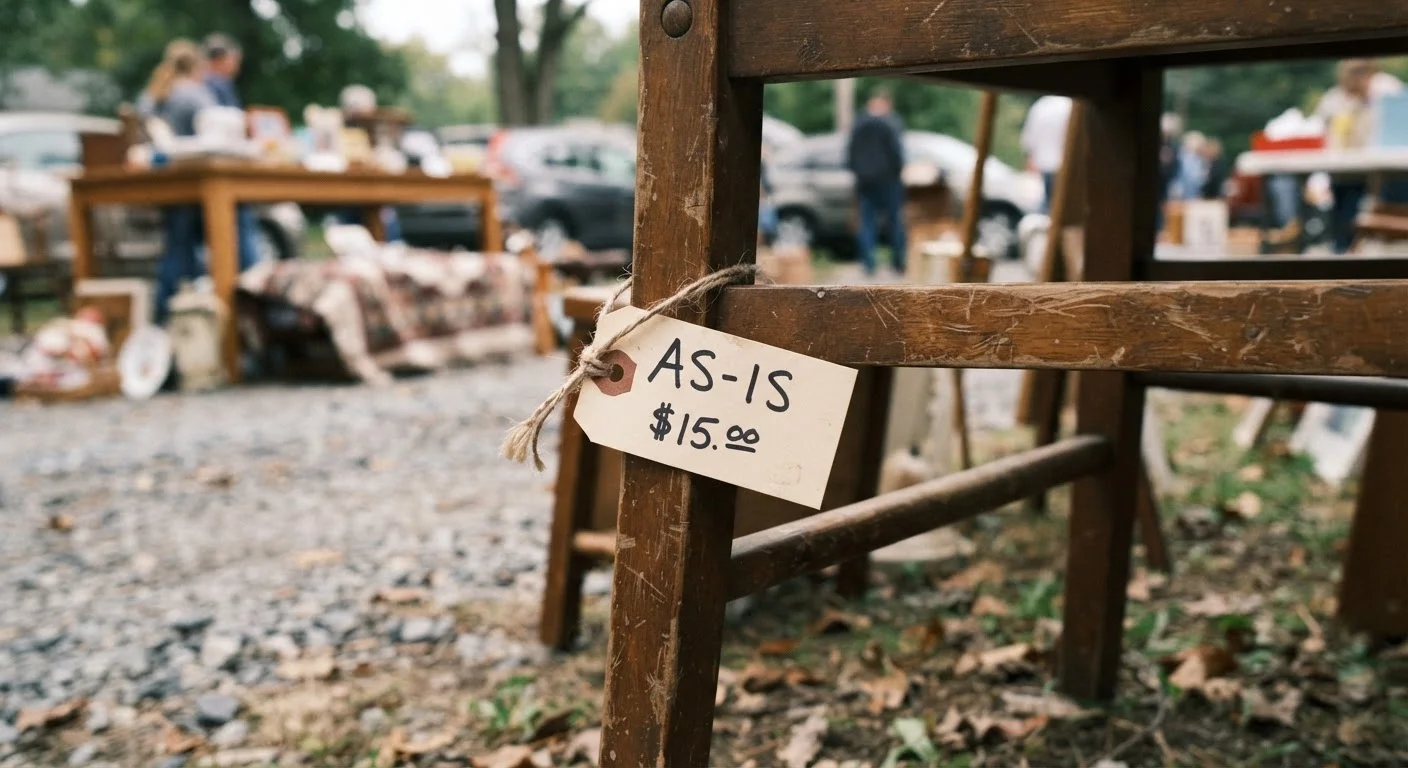
Photo credit: SearchLynk.net | Search Made Easier
In this article
Buying something sold 'as-is' limits certain protections—but not all of them. Here's what sellers can and can't disclaim under this designation.
Key Takeaways
- 'As-is' means you accept the item in its current condition, known defects and all.
- Sellers can disclaim implied warranties with an as-is clause, but not all legal protections.
- Known defects that were deliberately concealed can still expose a seller to legal liability.
- Federal lemon laws and state consumer protection statutes may apply even to as-is sales.
- Inspecting an item thoroughly before buying is your strongest defense in an as-is transaction.
- As-is terms in real estate carry additional disclosure obligations in most states.
What 'As-Is' Actually Signals to a Buyer
When a seller attaches an as-is label to something, they're communicating one core message: what you see is what you get. There's no promise that the item functions properly, no representation that it's free of hidden damage, and typically no path back to the seller if something turns out to be wrong after the sale closes.
This matters because most purchases carry some form of implied warranty - an unspoken legal assurance that a product is fit for its ordinary purpose. A blender you buy from a store, for example, is implicitly warranted to blend. An as-is clause is a seller's attempt to strip away that assumption before any money changes hands. Understanding what that clause actually covers - and where its limits are - is essential before agreeing to those terms. See our guide to warranty types for a fuller picture of what implied and express warranties cover.
As-Is Does Not Mean Buyer Beware at All Costs
The phrase 'buyer beware' is often cited in as-is contexts, but the law doesn't give sellers unlimited latitude. Consumer fraud statutes exist in every state and can apply even when a buyer signed an as-is agreement. The clause limits implied warranties - it doesn't create a legal blank check for deception.
What Sellers Can and Cannot Disclaim
The as-is designation has real legal teeth in private-party sales. Under the Uniform Commercial Code, a seller can disclaim the implied warranty of merchantability (the promise a product works as expected) and the implied warranty of fitness for a particular purpose - as long as the disclaimer is conspicuous and communicated before the sale.
However, there are clear boundaries. Sellers cannot use an as-is clause to shield themselves from:
- Fraudulent concealment: Deliberately hiding a known material defect - a cracked engine block, a flooded basement - is considered fraud in most jurisdictions, regardless of sale terms.
- Active misrepresentation: Lying about a defect's existence is distinct from simply not disclosing it and remains actionable.
- Statutory consumer protections: Federal and state laws set floors that private contract language can't simply waive away.
Consumer protection laws vary significantly by state, so it's worth understanding what your state's statutes say about as-is transactions specifically.
50
States that have adopted UCC implied warranty rules
The Uniform Commercial Code - which governs how implied warranties can be disclaimed in as-is sales - has been adopted in some form by all 50 U.S. states, though individual state variations apply.
~44
States with used-car lemon law provisions
According to consumer law resources, a significant majority of states have enacted some form of used-vehicle consumer protection, though coverage, thresholds, and dealer vs. private-seller distinctions vary widely by state.
The Vehicle and Real Estate Exceptions Worth Knowing
Two categories deserve special attention: used vehicles and real estate, where as-is sales are especially common and the stakes are highest.
For used cars, the Federal Trade Commission's Used Car Rule requires dealers (not private sellers) to display a Buyers Guide disclosing whether any warranty is offered. If the guide states 'As Is - No Dealer Warranty,' the dealer is stating they'll provide no coverage after the sale. Even so, some state lemon laws extend limited protections on used vehicles sold by dealers, and outright fraud is still actionable.
For real estate, an as-is listing is a negotiating posture as much as a legal one. In most states, sellers are still legally required to complete a seller's disclosure form identifying known material defects - structural issues, water intrusion, mold, and more. Selling as-is doesn't eliminate that obligation; it simply means the seller isn't agreeing to make repairs. Buyers can still negotiate price based on inspection findings or walk away if disclosures are inadequate.
Compare that to open-box and refurbished product labels, which often come with their own quality tiers and partial warranties - a meaningfully different risk profile than a true as-is transaction.
How to Protect Yourself Before Agreeing to As-Is Terms
Accepting an as-is sale doesn't mean accepting the unknown. There are concrete steps buyers can take to reduce their exposure before the transaction closes.
- Inspect thoroughly: Test the item yourself under realistic conditions. For electronics, plug them in. For vehicles, drive them. For real estate, hire a licensed home inspector.
- Ask direct questions in writing: Email or text the seller asking specifically about known defects. A seller's written denial of known problems carries legal weight if problems later surface.
- Document condition with photos or video: Before money changes hands, create a timestamped record of the item's visible state.
- Research your state's protections: Some states have stronger consumer protection statutes that limit what as-is language can disclaim, especially in dealer transactions.
- Know the return policy terrain: Even outside formal as-is sales, no-refund policies have limits that buyers may not realize.
Also review what to confirm before any online purchase, since as-is listings appear frequently on resale platforms where physical inspection isn't always possible.
Get Defect Disclosures in Writing
Before completing any as-is purchase, ask the seller to confirm - by email or text - what known issues the item has. If they tell you verbally that 'everything works fine' but a serious defect surfaces shortly after, that written exchange may be important documentation if you need to pursue a fraud claim. Courts have recognized seller misrepresentation even in transactions that included as-is language.
Frequently Asked Questions

Author
Shopping Editorial Team
Shopping Editorial Team is the collective byline for our editorial team and contributor network. Articles published under this byline or an editorial pen name are researched, written, and reviewed according to our editorial standards for clarity, consistency, and independence before publication.
View all articles →