
What a Lease Agreement Actually Says (And What It Means for You)
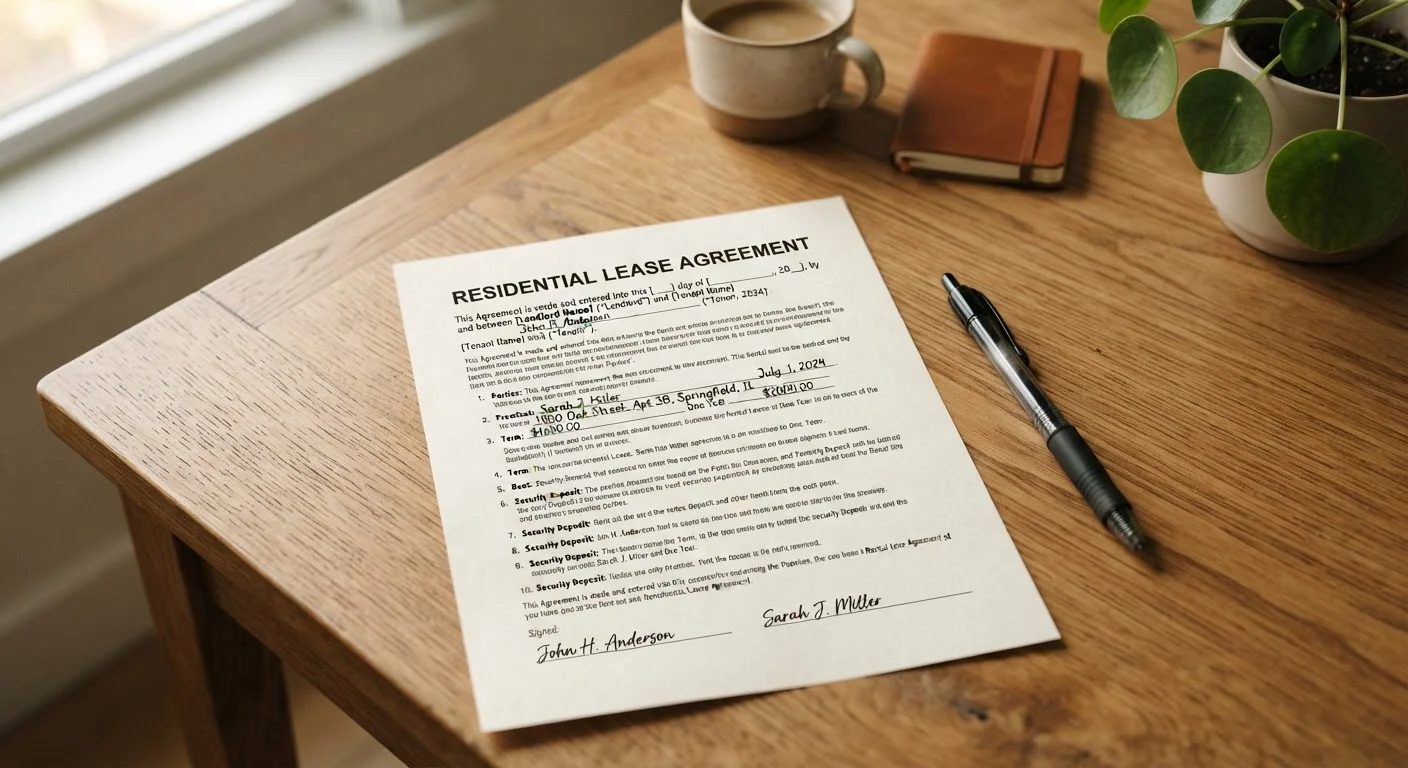
Photo credit: SearchLynk.net | Search Made Easier
In this article
Lease agreements are full of legal language. Learn what common clauses really mean and which terms you should pay close attention to before signing.
Key Takeaways
- A lease is a legal contract - every clause carries real consequences if violated.
- Rent payment terms, late fees, and grace periods are typically spelled out in precise detail.
- Security deposit rules vary by state law, but the lease should outline return conditions.
- Early termination clauses define your options and costs if you need to leave before the lease ends.
- Renewal and notice requirements protect both parties - know your deadlines.
- Addenda attached to the lease are equally binding and should be read just as carefully.
Why the Fine Print Matters More Than You Think
Most renters skim a lease, sign it, and tuck it away - only pulling it out when something goes wrong. By then, they're often surprised by what they agreed to. A lease agreement isn't just a formality; it's the governing document for your entire tenancy. Understanding its key provisions before you sign is one of the most practical steps you can take to protect yourself as a renter.
Lease language can be dense, but most agreements follow a predictable structure. Knowing what to look for - and what common clauses actually mean - puts you in a far stronger position than simply trusting that everything is standard. For a broader vocabulary reference, the rental glossary for renters covers the key terms you're likely to encounter.
~44M
Renter households in the United States
According to U.S. Census Bureau estimates, roughly 44 million households in the U.S. rent their primary residence, making lease literacy a widely relevant financial skill.
1 in 4
Renters who report security deposit disputes
Survey data from tenant advocacy groups consistently show that security deposit disagreements are among the most common disputes between landlords and tenants at the end of a lease.
30+ days
Typical notice required before vacating
Most fixed-term leases require tenants to provide 30 to 60 days written notice of intent not to renew; missing this window can trigger automatic renewal obligations.
Core Clauses Every Renter Should Understand
Rent, due dates, and late fees. The lease will state your monthly rent, the day it's due (typically the first of the month), any grace period before a late fee applies, and the amount of that fee. Grace periods commonly range from three to five days, but the lease controls - not your assumption. Some leases also include rent escalation clauses that allow increases at renewal; check whether yours does.
Security deposit terms. The lease should describe the deposit amount, what it may be applied to (unpaid rent, damages beyond normal wear and tear), and the timeline for its return after move-out. State law usually sets the maximum deposit amount and mandates a return deadline, but the lease may impose additional conditions. Document the unit's condition thoroughly at move-in with photos.
Lease term and renewal. Your lease specifies whether you're in a fixed-term agreement (typically 12 months) or a month-to-month arrangement. It should also explain what happens at the end of the term - automatic renewal, conversion to month-to-month, or required notice of intent to vacate. Missing a notice deadline can trigger an automatic renewal you didn't intend. For a detailed comparison of lease structures, see month-to-month vs. fixed-term leases.
Maintenance and repair responsibilities. Leases divide responsibility between landlord and tenant. Landlords are typically required to maintain habitability - functioning heat, plumbing, and structural integrity. Tenants are generally responsible for minor upkeep and for reporting damage promptly. The lease will often specify a reporting procedure; follow it to avoid disputes.
Clauses That Catch Renters Off Guard
Early termination. Life changes - jobs relocate, families grow. An early termination clause outlines your options if you need to exit before the lease ends. Common provisions include a penalty fee (often one to two months' rent), a required notice period, or a requirement to find a replacement tenant. Without this clause, breaking the lease could expose you to liability for the remaining rent balance. Many renters misread what their lease actually requires in these situations.
Subletting and guests. Many leases prohibit subletting without written landlord approval. Some also define how long a non-tenant guest may stay before they're considered an unauthorized occupant. Violating these provisions can be grounds for eviction.
Alterations and damage. Most leases prohibit significant modifications - painting walls, installing fixtures, or making structural changes - without prior written consent. Even seemingly minor changes can result in deductions from your security deposit at move-out.
Dispute resolution clauses. Some leases require disputes to go through arbitration rather than the courts. This is worth understanding before you sign, as it can limit your legal options. The dynamics are similar to those covered in our article on arbitration clauses in contracts.
Create a Lease Summary for Quick Reference
After reading your full lease, write down the five or six terms most likely to affect your daily tenancy: rent due date, grace period, notice deadline, guest policy, pet rules, and maintenance reporting procedure. Keep this summary somewhere accessible. It can prevent costly misunderstandings without requiring you to re-read the entire document every time a question comes up.
Before You Sign: A Practical Approach
Reading the full lease before signing isn't optional - it's essential. Pay particular attention to addenda, which are supplemental documents attached to the main lease (covering pets, parking, or building rules) and are equally binding. Request any verbal promises in writing, as verbal agreements that contradict the written lease are typically unenforceable.
If any clause is unclear, ask for clarification. If a provision seems unreasonable or potentially unlawful, consult a local tenant's rights organization before signing. The same discipline that applies to reading other long-form contracts - such as the approach outlined in our guide on reviewing a service contract before signing - applies directly here. Your signature means you've agreed to everything in that document.
Frequently Asked Questions

Author
Real Estate Editorial Team
Real Estate Editorial Team is the collective byline for our editorial team and contributor network. Articles published under this byline or an editorial pen name are researched, written, and reviewed according to our editorial standards for clarity, consistency, and independence before publication.
View all articles →