
What Buyers Often Overlook When Touring Homes
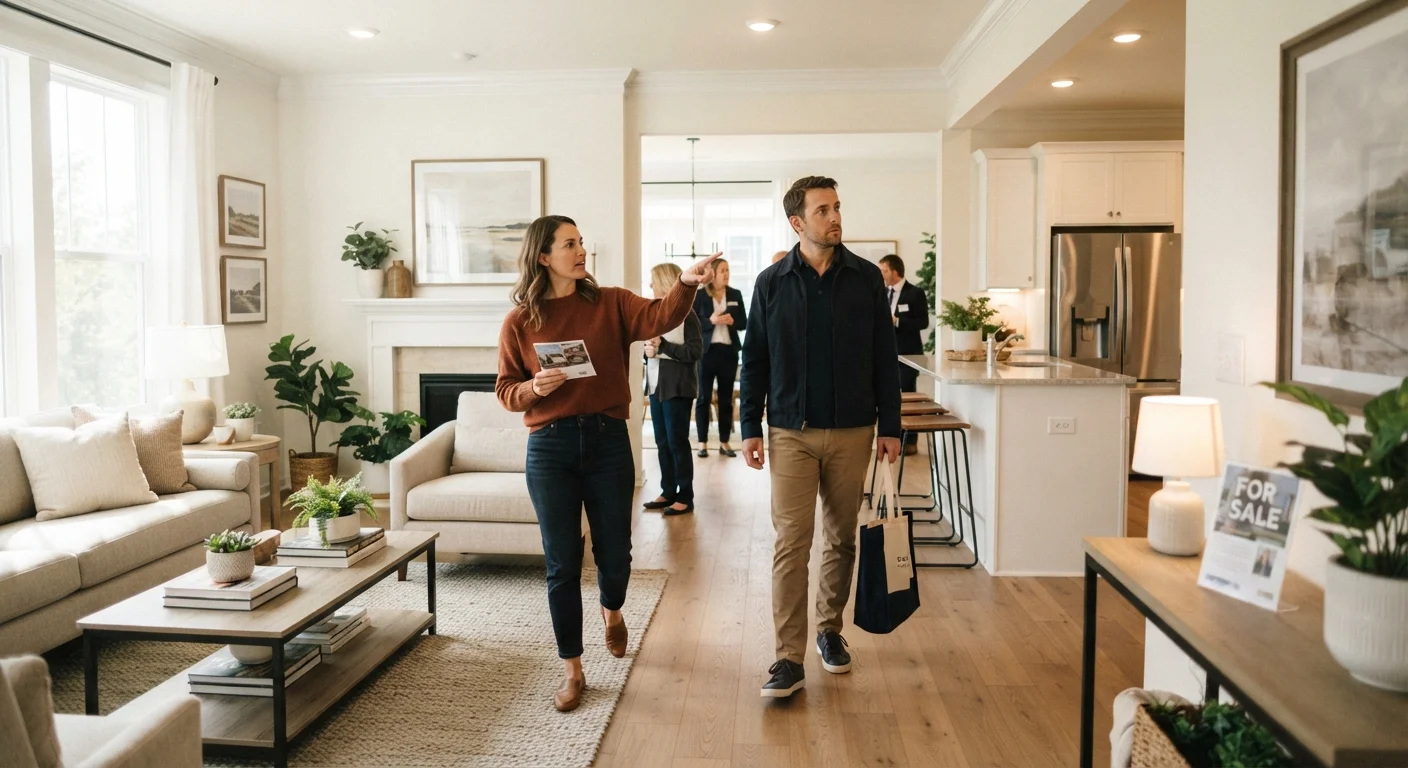
Photo credit: SearchLynk.net | Search Made Easier
In this article
Open houses highlight a home's appeal — not its problems. Here are the less obvious things worth examining before you fall in love.
Key Takeaways
- Staging and lighting are designed to flatter a home, not reveal its flaws.
- Skipping structural and mechanical checks during tours leads to expensive surprises after closing.
- A professional home inspection is essential, but informed buyers ask better questions beforehand.
- Neighborhood context, noise levels, and storage are easy to overlook in the excitement of touring.
- Unpermitted renovations can create legal and financial complications for new owners.
Why Tours Often Create a False Impression
A home tour is a curated experience. Sellers and listing agents work to present a property at its most appealing - cleaned, staged, and lit to minimize the impact of any shortcomings. For buyers, especially first-timers, this environment makes it easy to respond emotionally rather than analytically. Understanding that dynamic is the first step toward a more productive walkthrough.
The stakes are high. A home purchase typically represents the largest financial transaction in a person's life, and the decision timeline can be compressed in competitive markets. Buyers who know what to look for - and what to look past - are better positioned to evaluate whether a home's asking price reflects its true condition.
Don't Confuse Cosmetic Updates With Sound Structure
Fresh paint, new fixtures, and updated countertops are inexpensive ways to make a home show well. They tell you nothing about the roof, foundation, plumbing, or HVAC. Buyers who focus heavily on aesthetics during tours frequently underestimate the cost of deferred maintenance underneath. Budget for a thorough professional inspection regardless of how move-in ready a home appears.
For a broader view of what financial surprises await after the sale, see our guide on the hidden costs of homeownership that rarely come up at closing.
The Most Common Overlooked Details - and How to Catch Them
The mistakes buyers make during tours fall into consistent patterns. Recognizing them before you walk through a door gives you a practical edge.
Focusing only on the décor and staging rather than the bones of the home.
Why it happens: Sellers and their agents invest in staging precisely because it works - fresh flowers, neutral paint, and strategic lighting are emotionally persuasive and easy to respond to.
Ignoring the roof, attic, and basement during a walkthrough.
Why it happens: These spaces feel secondary during a tour that emphasizes livable rooms, and agents rarely direct buyers there.
Not testing mechanical systems - HVAC, water pressure, and electrical outlets.
Why it happens: Buyers feel awkward running taps and flipping switches during a showing, especially at an open house with other visitors present.
Underestimating storage and functional layout needs.
Why it happens: Staged homes often have minimal furniture and cleared-out closets, which makes spaces appear larger and more practical than they may be in daily use.
Visiting a home only once, at a single time of day.
Why it happens: Scheduling constraints and competitive markets make buyers feel pressure to decide quickly after one tour.
Overlooking the neighborhood and immediate surroundings.
Why it happens: Excitement about the property itself narrows attention, and buyers spend most of their mental energy inside the home.
Separately, buyers evaluating how a home is appraised will find it useful to understand how condition factors into a lender's valuation - not just the sales price you negotiate.
Unpermitted Work Can Become Your Problem
If a seller completed renovations without pulling the required permits, that liability can transfer to you as the new owner. Before closing, ask specifically whether any additions, finished basements, or electrical upgrades were permitted and inspected. Our guide on permits and renovation paperwork explains what to look for and why skipping this step can cost you later.
Building Better Habits for Every Showing
A more disciplined approach to touring doesn't require technical expertise - it requires a checklist mindset and a willingness to slow down. Bring a notepad or use your phone to document concerns. Photograph anything that seems worn, patched, or inconsistent. Ask the listing agent direct questions: How old is the roof? When was the HVAC last serviced? Has there been any water intrusion?
~86%
Buyers who use a home inspector
According to the American Society of Home Inspectors, the vast majority of home purchase transactions include a professional inspection - yet buyers still routinely miss critical observations during the tour itself.
$10,000+
Average cost of major roof replacement
HomeAdvisor has reported that full roof replacements in the U.S. commonly run into five figures, making it one of the costlier surprises buyers face when they overlook roof condition during a tour.
Professional home inspectors will catch issues that even attentive buyers miss, but the information you gather during a tour shapes the questions you bring to that inspection. Buyers who tour thoughtfully enter the inspection process as more informed participants.
If you are also evaluating rental options alongside purchasing, our apartment tour red flags guide covers similar observational principles applied to rental settings. Many of the same instincts translate.
This article is for general informational purposes only and does not constitute financial, legal, or professional inspection advice. Consult a licensed real estate professional and qualified home inspector for guidance specific to your situation.

Author
Real Estate Editorial Team
Real Estate Editorial Team is the collective byline for our editorial team and contributor network. Articles published under this byline or an editorial pen name are researched, written, and reviewed according to our editorial standards for clarity, consistency, and independence before publication.
View all articles →