
Home Appraisals: What Buyers Need to Understand
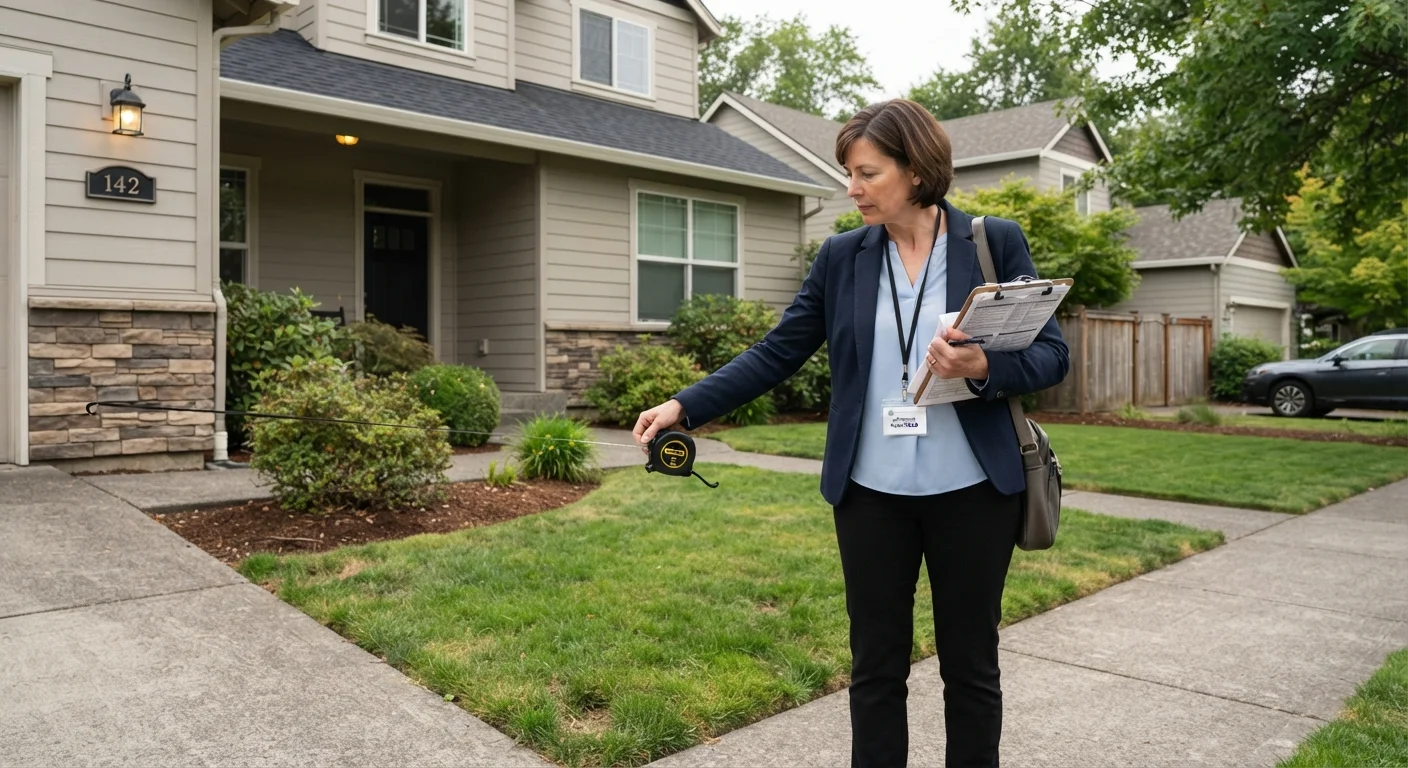
Photo credit: SearchLynk.net | Search Made Easier
In this article
An appraisal protects lenders — but its outcome directly affects buyers too. Learn how homes are valued and what happens when the number comes in low.
Key Takeaways
- Lenders order appraisals to protect themselves, but buyers almost always pay the appraisal fee.
- An appraisal is not the same as a home inspection - it assesses value, not condition.
- If the appraised value comes in below the purchase price, the lender will only finance based on the lower number.
- Buyers have options when a low appraisal occurs: renegotiate, cover the gap, or walk away.
- Comparable sales - or 'comps' - are the primary tool appraisers use to determine value.
Why Lenders Require an Appraisal
When a lender agrees to finance a home purchase, the property itself serves as collateral for the loan. If the borrower defaults, the lender needs confidence that the home could be sold to recover the debt. That's why virtually every mortgage-backed purchase triggers an appraisal requirement - it's a risk-management tool for the institution, not a courtesy to the buyer.
That said, the outcome directly affects buyers. The appraisal determines the maximum loan amount the lender will approve for that specific property. Understanding this dynamic is a core part of navigating the purchase process. For a broader view of where appraisals fit in the overall journey, see our complete walkthrough of the home purchase process.
$300-$600
Typical appraisal fee for a single-family home
Cost varies by property size, location, and complexity; buyers generally pay this fee as part of the mortgage process.
~7%
Share of purchase appraisals coming in below contract price
According to data from the National Association of Realtors, low appraisals are relatively uncommon but occur more frequently in rapidly appreciating markets.
How Appraisers Determine a Home's Value
Appraisers use a structured methodology to arrive at a value estimate. For most residential properties, the primary approach is the sales comparison approach: the appraiser identifies recently sold homes nearby - called comparables or comps - that are similar in size, age, condition, and features.
Each comp is then adjusted upward or downward to account for differences. A home with a finished basement gets a positive adjustment; one without a garage gets a negative one. After applying these adjustments across several comps, the appraiser synthesizes a final value estimate.
During the property visit, the appraiser records square footage, bedroom and bathroom count, lot size, overall condition, and any upgrades or deficiencies. Significant issues - like a damaged roof or foundation cracks - can reduce value, though the appraiser's role is valuation, not defect diagnosis. For that, a separate home inspection is essential.
When the Appraisal Comes In Low
A low appraisal - where the assessed value falls below the agreed purchase price - is one of the more stressful scenarios in a home purchase. Because the lender will only finance based on the appraised value, a gap between contract price and appraisal creates an immediate funding shortfall.
Buyers in this situation generally have three paths:
- Renegotiate the price: Ask the seller to lower the purchase price to match or approach the appraised value. In a buyer's market, sellers may be willing. In a competitive market, less so. Our article on what seller's and buyer's markets actually mean explains how market conditions affect negotiating leverage.
- Cover the gap: Pay the difference between the appraised value and the purchase price out of pocket. This is called an appraisal gap and requires available cash beyond the down payment.
- Exercise the appraisal contingency: Most standard purchase contracts include an appraisal contingency that allows buyers to exit the deal without losing their earnest money deposit if the appraisal falls short. Confirm this clause exists in your contract before waiving it.
Buyers who've taken steps to get pre-approved for a mortgage are better positioned to act quickly when a low appraisal creates a decision point.
What Buyers Can and Can't Control
Buyers have no direct say in who performs the appraisal - lenders typically select from an independent panel to avoid influence. However, buyers aren't entirely passive. Attending the appraisal or having their agent present is generally permitted, and it's reasonable to provide the appraiser with a list of recent upgrades or improvements the seller has made.
It also helps to arrive at the purchase stage well-informed. Reviewing comparable sales yourself before making an offer - the same data an appraiser will use - can help you gauge whether your agreed price is defensible. Our buyer preparation checklist covers how to evaluate this before submitting any offer.
Keep Your Appraisal Contingency in Place
In competitive markets, some buyers are pressured to waive the appraisal contingency to strengthen their offer. Before doing so, make sure you understand the full financial exposure. If the home appraises low and you've waived the contingency, you're likely obligated to close - or forfeit your earnest money. Only consider this option if you have sufficient cash reserves to cover a potential gap.
If a reconsideration of value doesn't resolve a low appraisal and neither party is willing to move, the deal may fall apart. That's a difficult outcome, but in some cases it's the right one - a property appraising well below the contract price is a signal worth heeding.
Frequently Asked Questions

Author
Real Estate Editorial Team
Real Estate Editorial Team is the collective byline for our editorial team and contributor network. Articles published under this byline or an editorial pen name are researched, written, and reviewed according to our editorial standards for clarity, consistency, and independence before publication.
View all articles →